Motorized Bicycle Laws in New Mexico now split the picture three ways: mopeds, motorized bicycles, and electric-assisted bicycles. New Mexico still requires a valid license or permit to operate a moped on a highway, but true mopeds are not titled or registered. The state also now defines class 1, class 2, and class 3 electric-assisted bicycles, excludes electric-assisted bicycles from motor-vehicle registration, and treats a separate motorized-bicycle category more like a bicycle under current MVD practice.
Note: This New Mexico guide is based on current New Mexico Motor Vehicle Division materials and the 2023 New Mexico electric-assisted bicycle legislation text cited below. It is informational only and not legal advice.
Last reviewed / source-checked: 2026-03-16
Local caveat: City paths, natural-surface trails, parks, and managed local facilities can still impose narrower access rules than the statewide baseline.
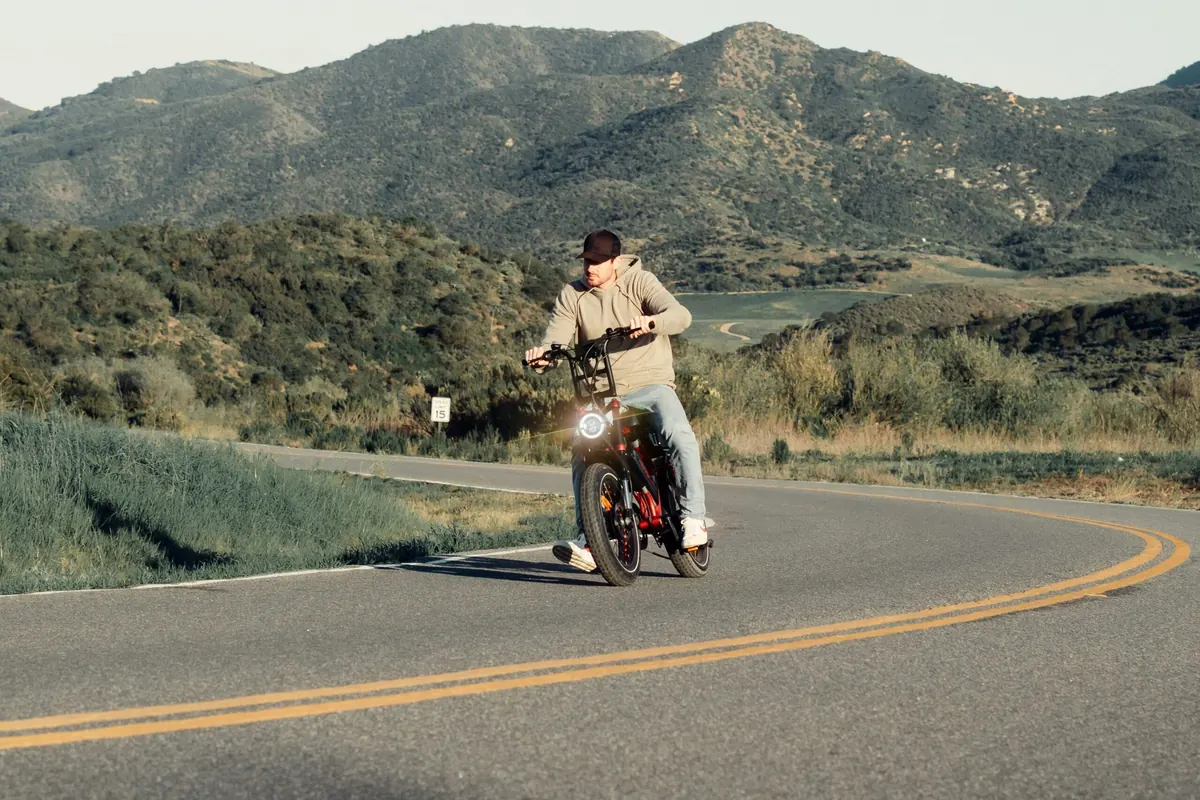
The biggest improvement in the current statewide sources is that New Mexico no longer needs to be summarized as one vague bucket.
That means Motorized Bicycle Laws in New Mexico are no longer just about old gas mopeds. The correct answer depends on whether your vehicle falls inside the moped definition, the new electric-assisted bicycle framework, or a different motor-vehicle category entirely.
The moped definition remains narrow and familiar: two or three wheels, automatic transmission, less than 50cc, and a top speed of not more than 30 mph on level ground. If your machine exceeds those limits, do not assume New Mexico still treats it as a simple moped.
New Mexico's driver-licensing materials say no person may drive a moped on a highway unless the person holds a valid license issued under the Motor Vehicle Code, unless an exemption applies. MVD's moped section states the same point more directly: a moped driver on a highway must hold a valid driver's license or permit.
This is one of the clearest statewide rules. MVD says none of the Motor Vehicle Code provisions relating to motor vehicles or motorcycles apply to mopeds, except for required safety standards and the driver's-license requirement, and MVD is neither required nor authorized to title or register mopeds.
New Mexico's public MVD helmet page is written for motorcycles and ATVs. Because the current statewide sources cited here treat mopeds separately and do not clearly impose the same blanket helmet rule in the sources reviewed for this draft, this article avoids overstating a motorcycle-style helmet requirement for every moped rider.
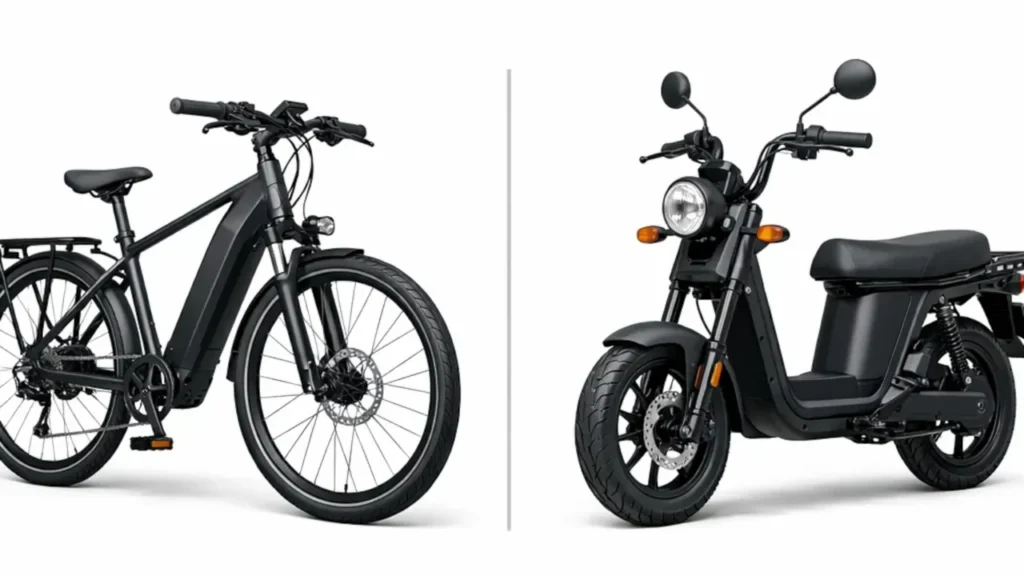
New Mexico's 2023 electric-assisted bicycle law added a modern three-class framework and changed the legal landscape for riders using pedal-assist and throttle e-bikes.
New Mexico's current definitions say the term motor vehicle does not include an electric-assisted bicycle. The registration statute also now lists electric-assisted bicycles among the vehicles exempt from registration and certificate-of-title requirements. That makes compliant electric-assisted bicycles fundamentally different from ordinary motor vehicles in New Mexico.
The 2023 electric-assisted bicycle law gives class 1 bikes the broadest default access: a person may ride a class 1 electric-assisted bicycle on a bicycle or pedestrian path where bicycles are authorized unless a political subdivision prohibits it. Class 2 and class 3 bikes are more restricted on bicycle or pedestrian paths unless the path is within a street or highway corridor or the political subdivision permits that access.
New Mexico's electric-assisted bicycle statute says a person under 16 may not operate a class 3 electric-assisted bicycle on a street, highway, or bicycle or pedestrian path, except as a passenger on a class 3 bike designed to carry passengers.
The same statewide statute says the default electric-assisted bicycle path rules do not apply to a trail specifically designated as non-motorized with a natural-surface tread made from cleared and graded native soil. On those trails, the political subdivision or state agency with jurisdiction may regulate electric-assisted bicycle use directly.
If it really fits New Mexico's moped definition, you are in the moped lane: you need a valid driver's license or permit to ride it on a highway, but MVD does not title or register true mopeds.
That likely points toward a class 2 electric-assisted bicycle rather than a moped. New Mexico's current definitions and registration law are friendlier to that vehicle category than the old moped lane, but path access can still depend on the type of facility and local permission.
That points toward a class 3 electric-assisted bicycle. In New Mexico, class 3 bikes face stricter path rules and an under-16 operating restriction, so they should not be treated like an ordinary path-anywhere bicycle.
That may push the machine outside the electric-assisted bicycle definition and into the separate electric mobility device or another motor-vehicle category. Once you leave the electric-assisted bicycle definition, you should stop assuming the registration and path-access answers stay the same.
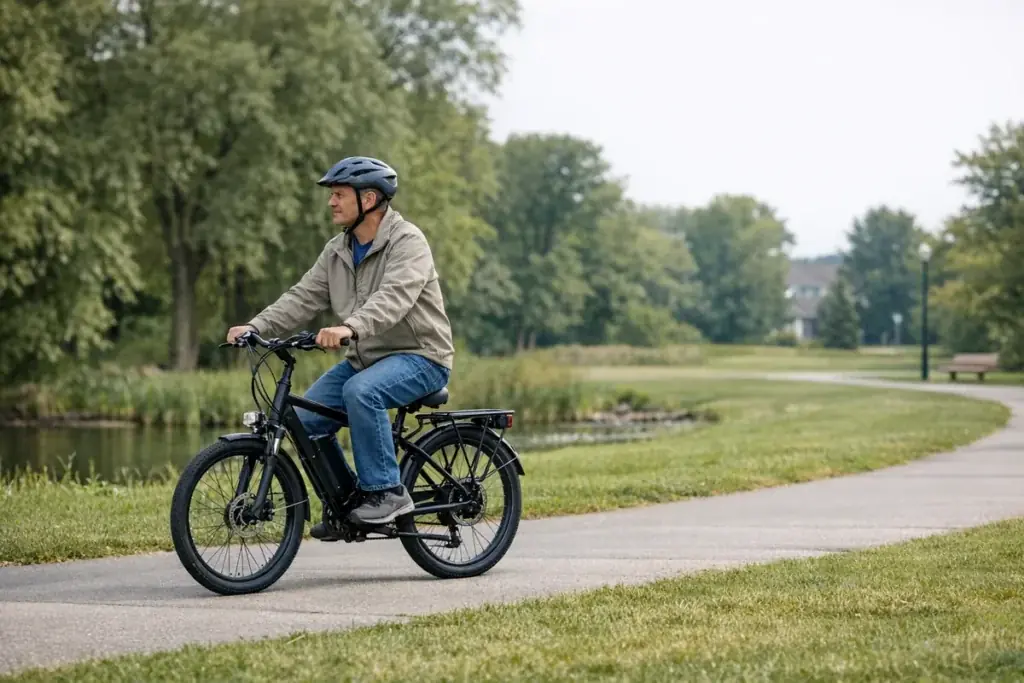
New Mexico's statewide rules answer the broad classification question, but not every facility answer. A city can restrict electric-assisted bicycle access on local bicycle or pedestrian paths, and natural-surface non-motorized trails can have their own agency-level rules. For mopeds and faster electric vehicles, the safer approach is simple: verify the route type before assuming a bike path, greenway, or local trail is legal.
This page is for general informational purposes only and is not legal advice. New Mexico statutes, MVD guidance, local ordinances, and trail-management rules can change. Verify the current rules before riding on public roads, paths, or trails.