Motorized Bicycle Laws in New Jersey split true class 1 and class 2 low-speed electric bicycles from mopeds and faster motorized bicycles. If your ride fits New Jersey’s low-speed e-bike definitions, you generally stay in the bicycle lane and avoid title, registration, and insurance requirements. If your ride is a moped, a gas-powered motorized bicycle, or a class 3 e-bike that can assist up to 28 mph, New Jersey treats it much more like a registered motor vehicle.
Note: This page is based on New Jersey enacted law and current New Jersey Motor Vehicle Commission guidance for low-speed e-bikes, mopeds, and class 3 e-bikes. It is informational only and not legal advice.
Last reviewed / source-checked: 2026-03-16
Local caveat: State rules are the baseline, but local paths, boardwalks, parks, and managed trail systems can still post additional access restrictions.
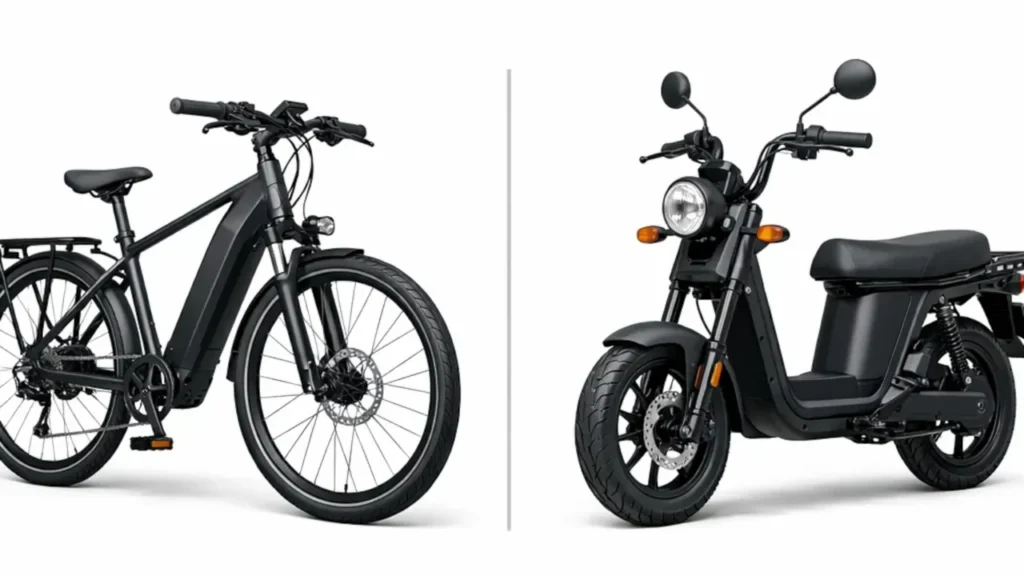
New Jersey is easier to read when you break the rules into two buckets.
That distinction controls most of the legal outcome. Under Motorized Bicycle Laws in New Jersey, a class 1 or class 2 e-bike is not the same thing as a moped or class 3 e-bike. If your bike leaves the low-speed lane, the licensing, registration, and insurance answer changes fast.
New Jersey’s 2019 low-speed electric bicycle law created a separate definition for class 1 and class 2 e-bikes. The enacted law also says the term motorized bicycle does not include a low-speed electric bicycle. That is the key reason class 1 and class 2 bikes do not fall into the moped lane.
The low-speed e-bike statute says a low-speed electric bicycle may be operated on the streets, highways, roadways, and bicycle paths of New Jersey unless the section says otherwise. It can also be parked on a sidewalk if it does not block normal pedestrian or other traffic.
NJMVC’s current motorized-bicycle guidance says class 1 and class 2 low-speed e-bikes are subject to traditional bicycle laws, require no license or registration, and must carry a permanently affixed label showing classification, top speed, and wattage. That makes a compliant 20 mph e-bike the simplest legal option for most commuters.
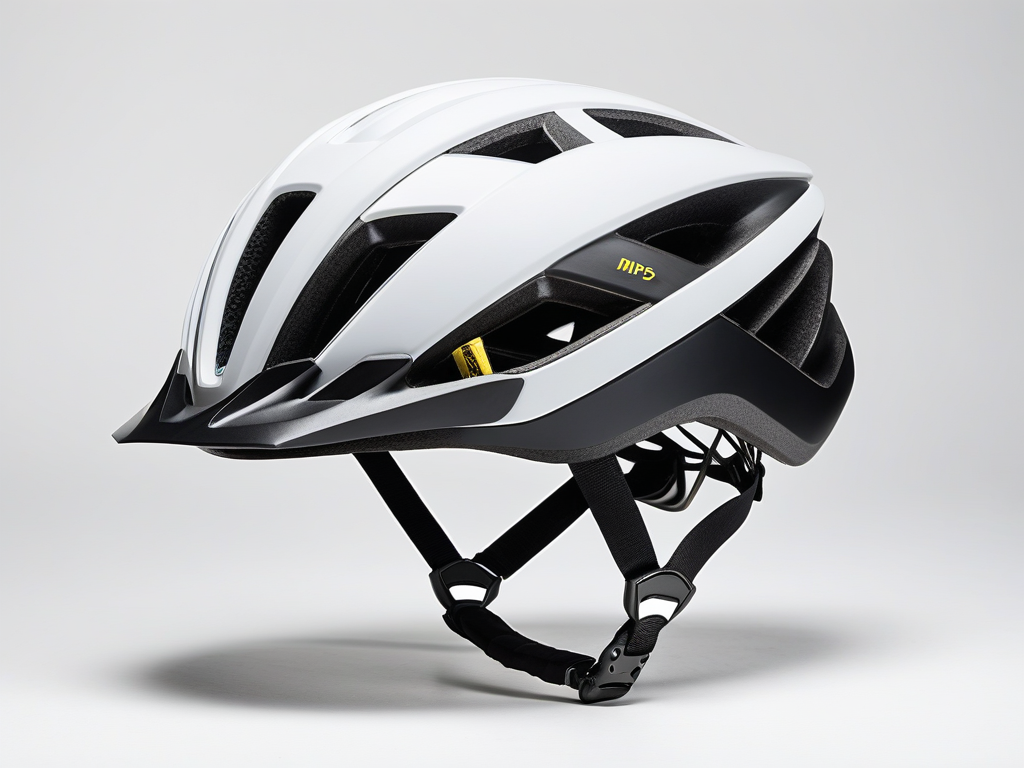
NJMVC’s current guidance says helmet use is required for riders of class 1 and class 2 e-bikes. Even when a bike stays outside the registration lane, New Jersey still expects riders to treat it like a real roadgoing vehicle rather than a toy.
New Jersey defines a motorized bicycle as a pedal bicycle with a helper motor that is either under 50cc, rated at no more than 1.5 brake horsepower, or electrically powered and capable of more than 20 mph but no more than 28 mph on a flat surface. In practice, that means many class 3-style e-bikes land in the same legal family as mopeds for New Jersey road use.
NJMVC says motorized bicycles, including mopeds and class 3 e-bikes, must be registered, titled, and insured. Riders must be at least 15 years old and must have either a valid driver’s license or a specialized motorized-bicycle license.
If you already have a basic New Jersey driver’s license, NJMVC says you do not need a separate moped license to operate a moped. The separate motorized-bicycle license matters mainly for riders who do not yet hold a standard driver’s license.
NJMVC says a helmet is mandatory for all motorized-bicycle riders, regardless of age. That applies to mopeds and class 3 e-bikes in the motorized-bicycle category.
This is one of the easiest New Jersey traps to miss. NJMVC says a vehicle without pedals that is under 50cc cannot be registered as a moped and instead has to be registered as a motorcycle, regardless of engine size. If you are shopping for a scooter-shaped machine, the pedal question matters.
If it truly fits the class 2 low-speed electric bicycle definition, New Jersey puts it in the low-speed e-bike lane rather than the motorized-bicycle lane. NJMVC says no license or registration is required, but the bike should still carry the required manufacturer label and the rider should wear a helmet.
That is where many riders cross the legal line. In New Jersey, a pedal bicycle with an electric motor that can propel the bike above 20 mph and up to 28 mph falls inside the motorized-bicycle definition. Expect title, registration, insurance, and a driver’s license or motorized-bicycle license before riding on public roads.
If it stays under the statutory engine and speed limits, New Jersey treats it as a motorized bicycle or moped. You still need registration, insurance, and the right license, and you must wear a helmet.
Do not assume it can go in the moped lane just because the engine is small. NJMVC says vehicles without pedals that are under 50cc cannot be registered as mopeds and must instead be registered as motorcycles.
State law answers the statewide baseline, but local facilities can still matter. Beach towns, boardwalk areas, municipal greenways, park systems, and managed trails may post their own operating limits or time-of-day restrictions. Before riding a faster e-bike or a registered moped somewhere that feels more like a path than a road, check the posted local rules.
This page is for general informational purposes only and is not legal advice. New Jersey statutes, NJMVC procedures, and local path or facility rules can change. Verify the current rules before riding on public roads, bicycle paths, trails, or municipal property.