Motorized Bicycle Laws in California depend on what you are actually riding. California treats a compliant electric bicycle very differently from a motorized bicycle or moped under Vehicle Code section 406, so the right answer starts with classification, not marketing labels.
Note: This page is for general information only and is not legal advice. California rules can change, and local agencies may set additional path or trail restrictions. Last checked: 2026-03-14.
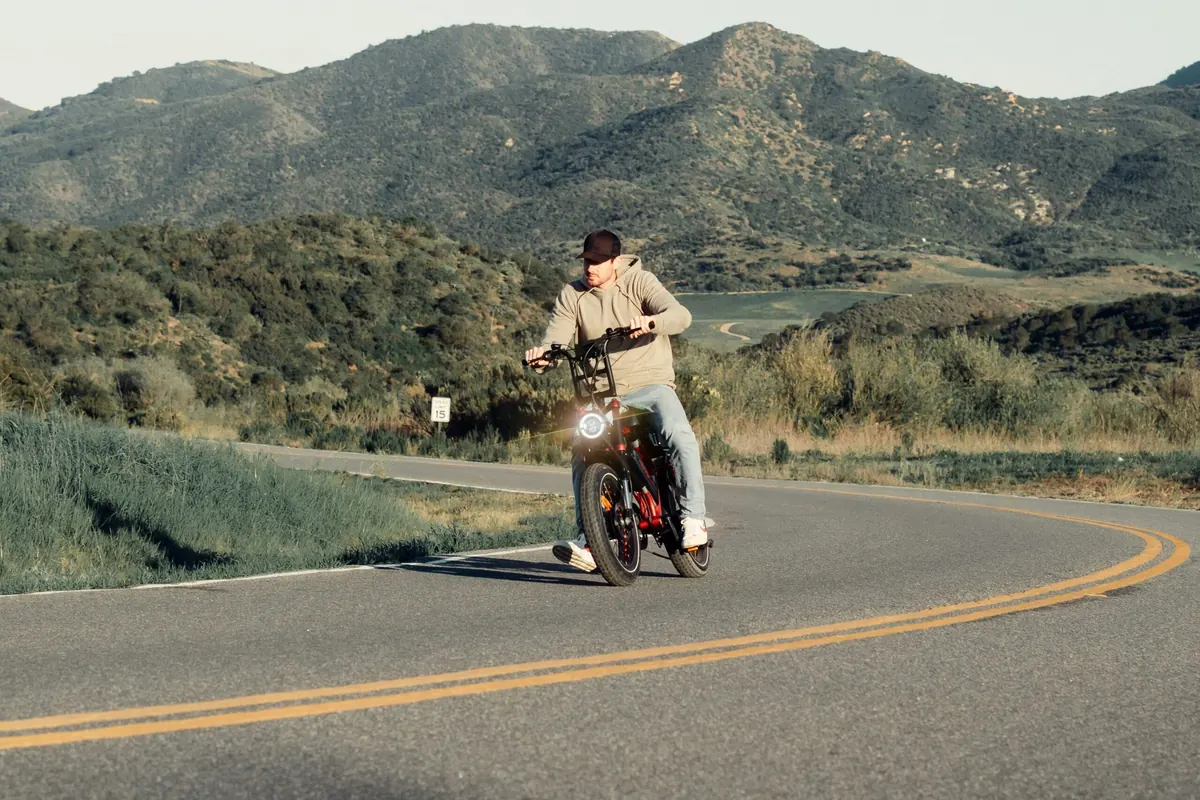
California uses two separate legal buckets that many riders blur together:
That split matters because California gives compliant e-bikes a much lighter legal treatment, while section 406 machines trigger moped-style licensing and plate rules. A bike sold online as an “e-bike” can still create legal problems if its real performance or setup pushes it outside the e-bike definition.
California says an electric bicycle must have fully operable pedals and an electric motor of no more than 750 watts. From there, the state breaks e-bikes into three classes:
California also requires a permanent class label showing the class number, top assisted speed, and motor wattage. If a bike is modified so it exceeds the state e-bike definition, it can fall out of this safer category.
If your bike stays inside the electric bicycle definition, California does not treat it as a motor vehicle for driver's license, registration, license plate, or financial responsibility purposes. That is one of the biggest practical advantages of staying inside the state's class system.
California's section 406 definition is broader than many people expect. A motorized bicycle or moped is a two- or three-wheeled device with fully operative pedals for human power, or no pedals if powered solely by electricity, plus an automatic transmission and a motor producing less than 4 gross brake horsepower. It also must top out at no more than 30 mph on level ground.
If your machine fits that definition, California requires a special moped plate. California DMV guidance also says these vehicles must be licensed before they are operated on a highway, and the rider needs an M1 or M2 license.
This is where California gets more local and more restrictive than many riders expect.
Under Vehicle Code section 21207.5, a motorized bicycle cannot be used on a bicycle path, trail, bikeway, equestrian trail, or hiking or recreational trail unless the route is adjacent to a roadway or the local authority or public agency with jurisdiction allows it by ordinance. That means a moped-style machine that seems road-legal is not automatically path-legal.
Electric bicycle access can also change by location. California State Parks publishes route-specific allowances, and some units allow e-bikes wherever regular bicycles are allowed while others limit e-bike access more tightly. In practice, riders should check both the state rule and the local or park rule before assuming a path is open.
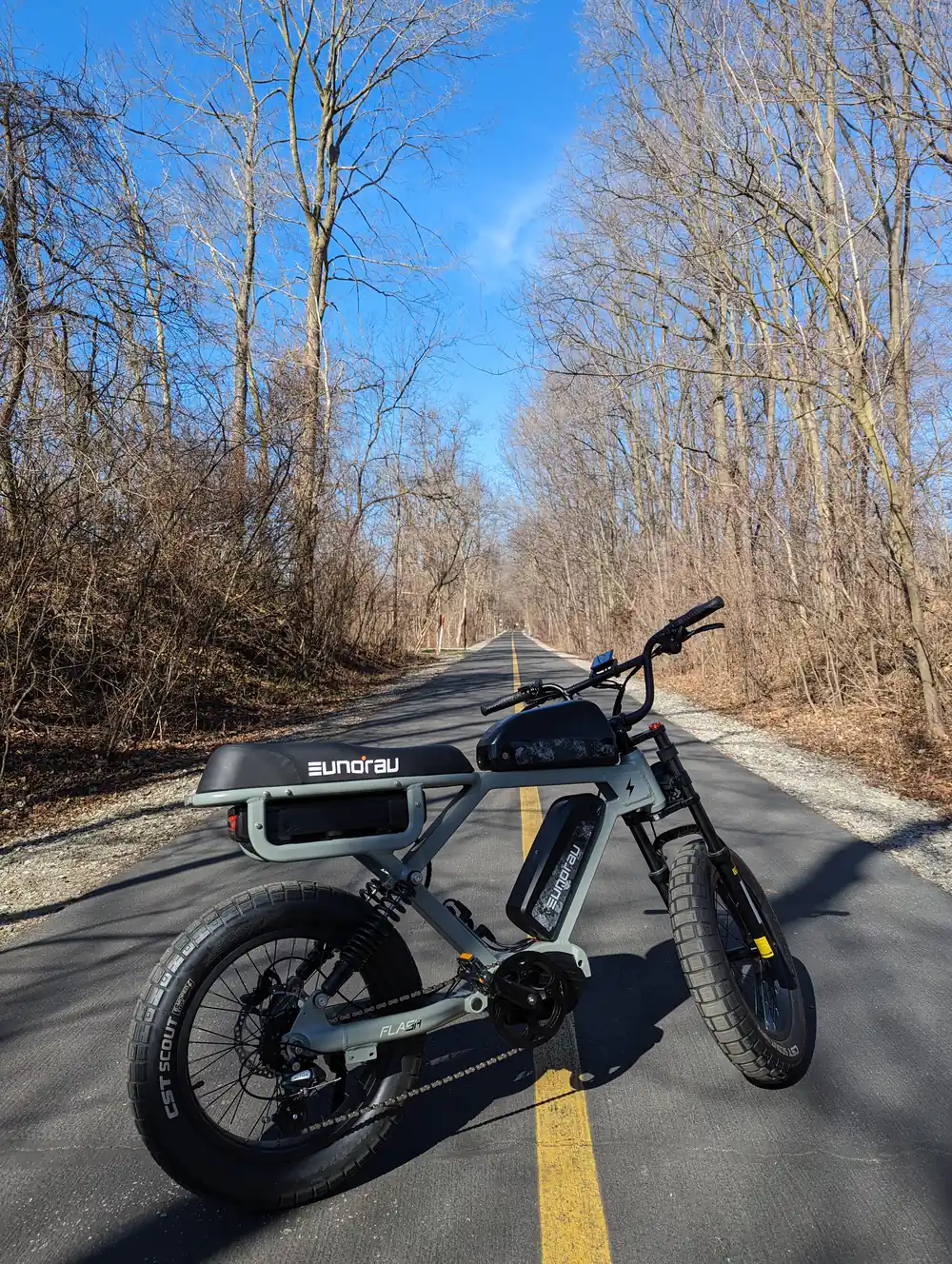
That usually points toward a class 2 electric bicycle. If it truly stays within California's e-bike definition, you are generally outside the driver's-license and plate system.
That points toward a class 3 electric bicycle. You need the required class labeling, the bike needs a speedometer, and helmet rules become more important because California specifically applies them to class 3 riders and passengers.
This is the danger zone for riders who casually call everything an e-bike. A machine that fits the section 406 definition is in California's motorized bicycle / moped bucket, which means a special plate and an M1 or M2 license matter.
Do not assume access just because ordinary bicycles are allowed nearby. California path and trail access can depend on whether the route is adjacent to a roadway, whether the controlling local agency allows motorized bicycles there, and whether a park unit has its own e-bike policy.