Motorized Bicycle Laws in Minnesota make more sense once you separate electric-assisted bicycles from the state’s older motorized bicycle / moped category. Minnesota treats electric-assisted bicycles as bicycles for most operating rules, while a true motorized bicycle still has its own permit, registration, insurance, sidewalk, passenger, and path restrictions.
Note: This Minnesota guide is based on current Minnesota statutes, Minnesota DNR trail guidance, and the Minnesota Department of Public Safety motorcycle and motorized bicycle manual. It is informational only and not legal advice.
Last reviewed / source-checked: 2026-03-15
Minnesota-specific caution: Minnesota lets electric-assisted bicycles use bicycle-style infrastructure more broadly than motorized bicycles, but riders under 15 cannot operate an e-bike, and a registered motorized bicycle is still treated much more like a moped than a normal bike.
Yes, but Minnesota has two different legal lanes. An electric-assisted bicycle can usually operate under bicycle rules, including road shoulders, bicycle lanes, bicycle routes, and many trails. A motorized bicycle that fits Minnesota’s moped-style definition needs a driver’s license or motorized bicycle permit, annual registration, liability insurance, and stricter limits on sidewalks, passengers, and nonmotorized paths.
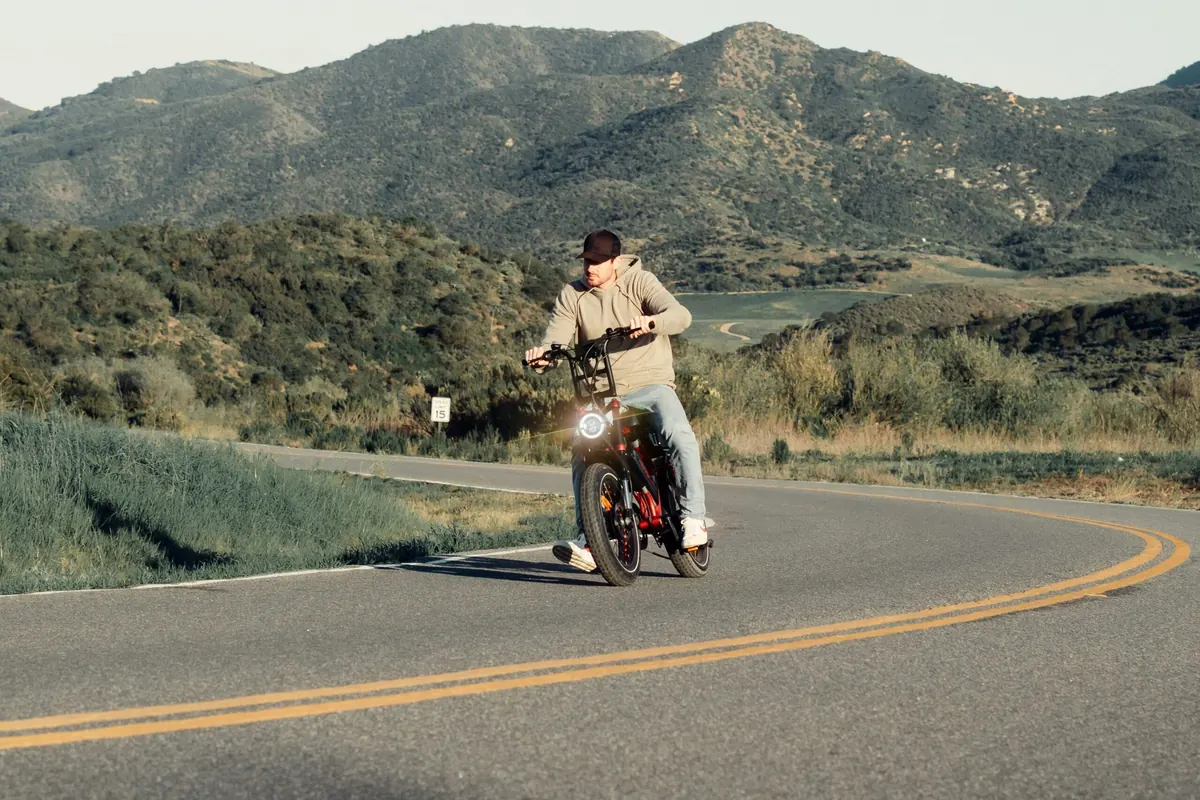
Minnesota does not collapse every powered bike into one rule set. The state has a modern electric-assisted bicycle definition and separate class definitions, but it also keeps an older motorized bicycle category that still works like a moped for licensing, registration, and insurance.
That distinction is the core of Motorized Bicycle Laws in Minnesota. If your machine truly qualifies as an electric-assisted bicycle, Minnesota generally pushes you into bicycle-style rules. If it fits the older motorized-bicycle definition instead, you move into the permit, registration, and insurance lane.
Minnesota’s electric-assisted bicycle law is much more bicycle-friendly than its motorized-bicycle law.
Minnesota Statutes 169.011 includes an electric-assisted bicycle inside the bicycle definition, and 169.222 says a person may operate an electric-assisted bicycle in the same manner as other bicycles. That means the basic bicycle road, shoulder, and lane rules matter first for e-bike riders.
Minnesota clearly defines class 1, class 2, and class 3 electric-assisted bicycles. That matters because access rules change depending on the class and the specific path or trail.
Minnesota is stricter on youth e-bike operation than many states. The statute says a person under the age of 15 must not operate an electric-assisted bicycle.
Because Minnesota folds e-bikes into bicycle operation rules, an electric-assisted bicycle can generally use the shoulder of a roadway, a bicycle lane, and a bicycle route the same way another bicycle can.
Minnesota gives broad but not unlimited trail access:
The Minnesota DNR also says electric-assist or pedal-assist bicycles are allowed on state trails wherever normal bicycles are allowed if they meet the statutory definition, while other motorized bicycles are not allowed on state trails where motorized vehicles are prohibited.
Minnesota’s general bicycle rule says you cannot ride on a sidewalk within a business district unless local authorities allow it. So even though an electric-assisted bicycle is treated like a bicycle, that does not create a blanket right to ride every downtown sidewalk.
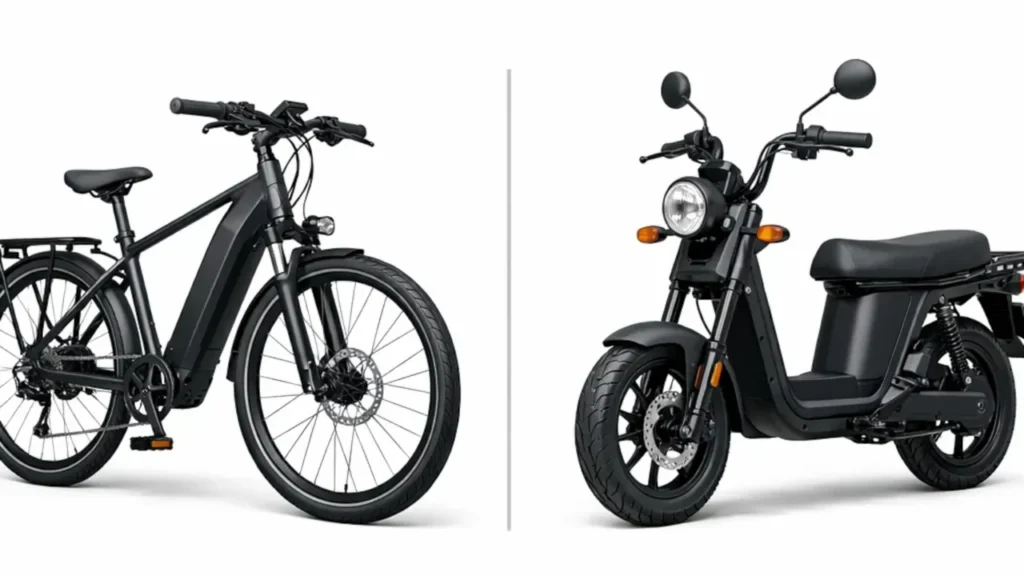
Minnesota’s motorized-bicycle rules are more restrictive and more paperwork-heavy than its e-bike rules.
If your bike has an electric or liquid-fueled motor, but it does not fit the state’s electric-assisted bicycle structure and instead fits the 50cc-or-smaller, 2-brake-horsepower, 30-mph definition, Minnesota treats it as a motorized bicycle registered as a moped.
Minnesota Statutes 169.223 says a motorized bicycle may be operated under either a driver’s license or a motorized bicycle permit. If you do not already have a driver’s license, the state can issue a motorized-bicycle instruction permit beginning at age 15.
Minnesota’s motorized-bicycle instruction permit is not a broad ride-anywhere license. Under the permit statute, the holder may operate only within one mile of the holder’s residence for practice before the operator exam.
The Minnesota DPS manual says motorized bicycles are registered as mopeds, registrations must be renewed annually, and all registered mopeds must carry liability insurance for damage or injury to another party. Minnesota Statutes 168.013 also set the motorized-bicycle registration tax at $6.
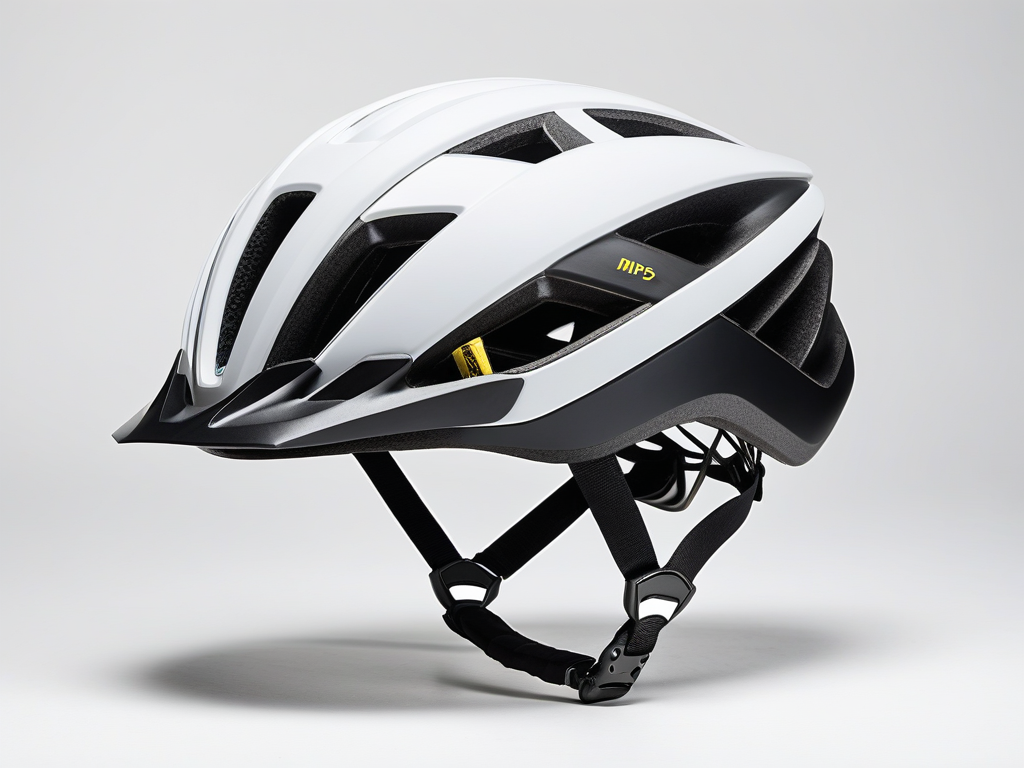
Minnesota’s motorized-bicycle statute says protective headgear is not required for operators 18 years of age or older. Riders under 18 still need the required protective headgear.
Minnesota does not let riders treat a motorized bicycle like a bicycle on sidewalks or bike-only facilities. The statute bars motorized-bicycle operation on sidewalks except when necessary for the most direct access to a roadway, and it does not allow use of a bicycle path or bicycle lane reserved for exclusive nonmotorized traffic. Minnesota also generally prohibits carrying a passenger, except for the narrow under-16 permit situation where a parent or guardian may ride if the machine is properly equipped for a second passenger.
You are probably in Minnesota’s electric-assisted bicycle lane, not its motorized-bicycle lane. The next question is whether the bike is class 1, 2, or 3, because path access can change based on class and local control.
Minnesota is generally friendlier to e-bikes on state trails than to true motorized bicycles. An electric-assisted bicycle that meets the statute can often use trails where normal bicycles are allowed, but a motorized bicycle that does not qualify as an e-bike is not allowed on state trails where motorized vehicles are prohibited.
Minnesota’s statute blocks that. A person under age 15 must not operate an electric-assisted bicycle, so this is one of the clearest hard-stop rules on the page.
You need the motorized-bicycle permit path. Minnesota can issue an instruction permit at age 15, but the practice period is limited, and the operator test requires the permit, proof of insurance for the testing vehicle, and a DOT-approved helmet and eye protection.
That is the wrong lane in Minnesota. A motorized bicycle cannot generally ride a sidewalk except for direct roadway access, and it cannot use a bicycle path or bicycle lane reserved for exclusive nonmotorized traffic.
Minnesota’s statewide rules answer most first-pass questions, but path and trail access can still change based on the authority controlling the facility. A city, park manager, or trail authority may set different access rules where the statutes allow it, especially for class 3 operation or natural-surface trails. For motorized bicycles, the safer approach is simpler: stay off sidewalks except direct access, stay out of bicycle-only lanes and paths reserved for nonmotorized traffic, and keep your registration and insurance current.
This page is for general informational purposes only and is not legal advice. Minnesota statutes, local ordinances, trail rules, and agency guidance can change. Verify the current rules before riding on public roads, bicycle lanes, sidewalks, paths, or trails.