Motorized Bicycle Laws in Michigan are easiest to follow when you split the question into two buckets: electric bicycles and mopeds. Michigan gives true electric bicycles bicycle-style treatment with a modern class 1, 2, and 3 framework, while mopeds still have their own engine, speed, license, registration, helmet, and roadway limits.
Note: This Michigan guide is based on current Michigan Compiled Laws plus Michigan Secretary of State and Michigan DNR guidance. It is informational only and not legal advice.
Last reviewed / source-checked: 2026-03-15
Michigan-specific caution: Michigan gives e-bikes broad bicycle-style road access, but trail access still changes by class and by the authority that controls the trail. Mopeds are a different category and cannot be treated like bicycles on sidewalks or bicycle paths.
Yes, but Michigan law treats e-bikes and mopeds differently. A true electric bicycle can usually ride where a bicycle can ride on the road, including bike lanes and shoulders, with trail access varying by class. A Michigan moped must stay within the state's moped definition, requires registration, and requires either a valid driver license or a special restricted moped license before riding on a highway.
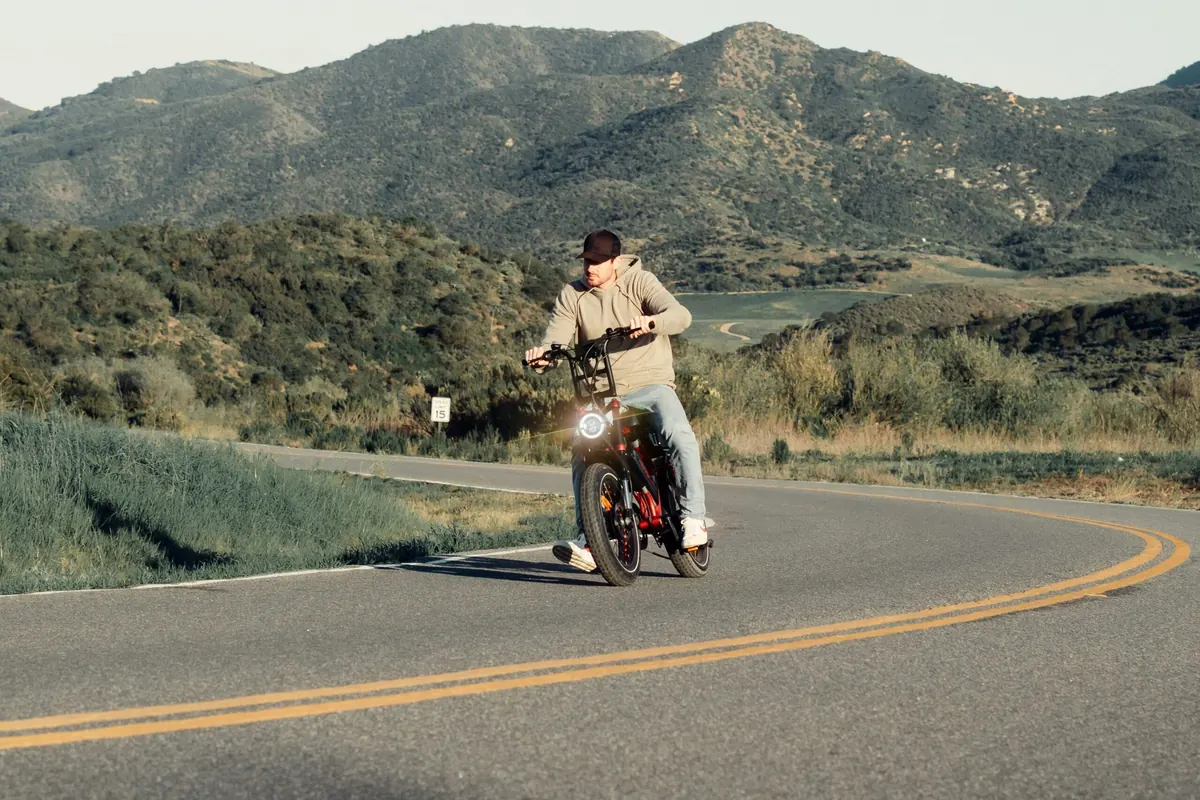
Michigan's current law is more specific than many older summary posts. The state now has a dedicated electric-bicycle definition, and it also keeps a separate moped definition for small motor vehicles that are not electric bicycles.
That split is the core of Motorized Bicycle Laws in Michigan. Michigan even says directly that a moped does not include an electric bicycle, so riders should not mix those rule sets together.
Michigan's e-bike rules are modern and clearer than many older state pages still online.
MCL 257.13e defines all three classes. That means Michigan riders do not have to guess whether the state recognizes e-bike classes in the first place.
MCL 257.662a says that, unless the e-bike section says otherwise, a person riding an electric bicycle is subject to the same requirements as a person riding a bicycle. That is why Michigan's e-bike lane is much closer to bicycle law than moped law.
Michigan does not apply the same special age rule to every e-bike class. Instead, class 3 riders must be at least 14 years old, and any rider or passenger under 18 on a class 3 e-bike must wear a properly fitted and fastened bicycle helmet.
MCL 257.662a lets an individual operate an electric bicycle on any part of a highway that is open to a bicycle, including bicycle lanes and the shoulder. That is a broader access rule than many riders expect if they are coming from a moped or scooter background.
Michigan's trail rules are one of the most state-specific parts of the page:
The Michigan DNR guidance mirrors that statutory structure and is a useful practical source for riders checking trail access.
Michigan lets certain jurisdictions regulate e-bike operation after a public hearing. The statute specifically calls out cities that prohibit nonemergency motor vehicles and Mackinac Island State Park, where separate permission or authorization may be required.
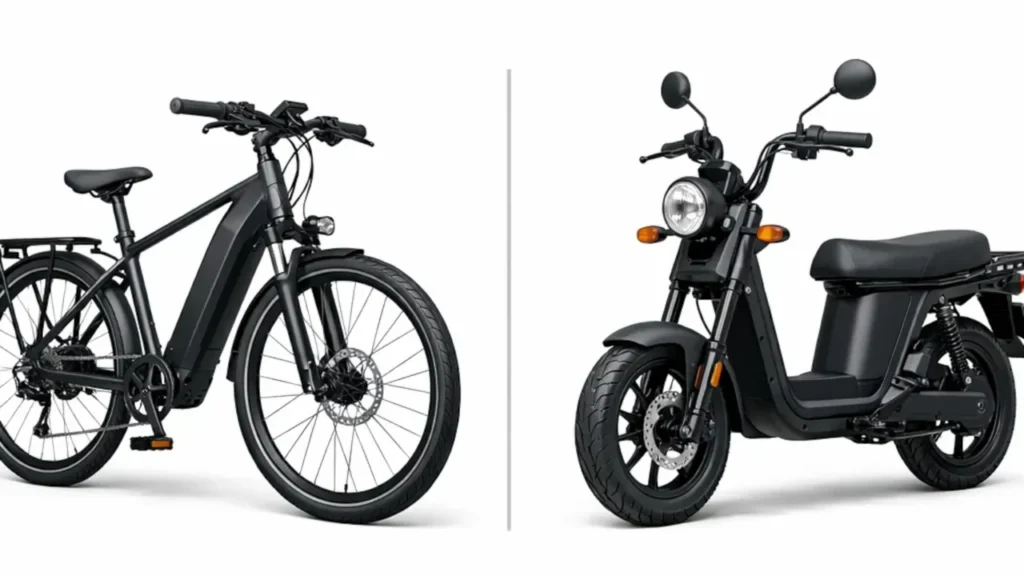
Michigan's moped rules are older than the e-bike framework, but they are still very specific.
Michigan does not currently cap mopeds at 50cc. Under MCL 257.32b, the motor can be as large as 100cc so long as the vehicle still cannot go faster than 30 mph on level ground and does not require manual gear shifting.
MCL 257.312a says a person must obtain a special restricted moped license before operating a moped on a highway unless that person already has a valid operator's or chauffeur's license. Michigan can issue the restricted moped license at age 15 or older.
MCL 257.801e requires registration for mopeds that must be registered under the act, and Michigan SOS says mopeds must be registered at a Secretary of State office unless they are operated solely on private property. The current fee is $15, the registration certificate must accompany the vehicle, and the registration period runs for 3 years.
MCL 257.801e says a moped is not required to be insured in the same manner as a motor vehicle under Michigan's no-fault chapter. That is a real state-specific difference between mopeds and many other street vehicles.
MCL 257.658 requires a person less than 19 years of age operating a moped on a public thoroughfare to wear a crash helmet.
Michigan's moped lane is not the same as bicycle access. A moped rider must stay as near to the right side of the roadway as practicable, cannot ride on sidewalks, cannot split lanes, cannot use a bicycle path, and cannot operate on a limited-access highway.
You are usually in Michigan's e-bike lane, not its moped lane. The key next question is whether it is class 1, 2, or 3, because that changes speed treatment and some trail access.
Michigan is friendly to class 1 e-bikes on many linear paved or crushed-limestone trails, but class 2 and class 3 need affirmative authorization from the authority that controls the trail. Do not assume every rail trail treats all three classes the same.
Michigan allows class 3 operation beginning at age 14, but riders and passengers under 18 on class 3 must wear a helmet. That is a narrower rule than a blanket helmet rule for every e-bike class.
If it meets Michigan's moped definition, you still need to think about highway licensing and registration. That means a valid driver license or restricted moped license, registration through SOS, and compliance with the moped roadway rules.
That is the wrong lane in Michigan. Mopeds are barred from sidewalks and bicycle paths, and the penal code treats operating or riding a moped there as a misdemeanor.
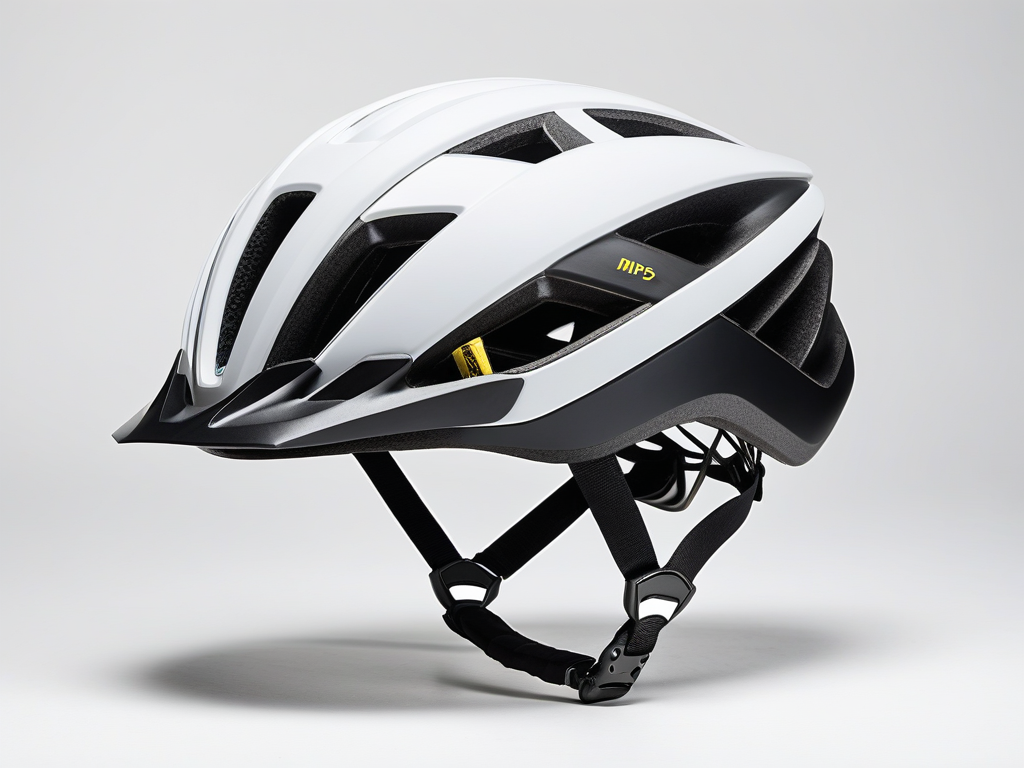
Michigan's statewide rules are strong enough to answer most questions, but route planning still matters. Trail managers, city governments, and special jurisdictions can regulate e-bike access after a public process. For mopeds, the safer rule of thumb is simpler: stay off sidewalks, stay off bicycle paths, and stay off limited-access highways.
This page is for general informational purposes only and is not legal advice. Michigan statutes, administrative decisions, local trail rules, and agency guidance can change. Verify the current rules before riding on public roads, bike lanes, paths, sidewalks, or trails.