
Motorized bicycle laws in Arkansas are easiest to understand when you split the question into two buckets. Arkansas is fairly clear on electric bicycles: the state treats them much more like ordinary bicycles. Arkansas is less tidy once a bike is gas-powered or gets pushed into motor-driven cycle territory, which is where DFA registration and license rules start to matter.
Not legal advice. Rules can change, and local path rules can be stricter than the state baseline. Verify the latest Arkansas requirements before you ride.
Last checked: 2026-03-15
What to verify first: whether your ride fits Arkansas's e-bike rules, a motorized bicycle registration category, or a motor-driven cycle license category.
| Question | Short answer |
|---|---|
| Does Arkansas treat e-bikes like bicycles? | Yes. Arkansas says e-bikes are regulated like bicycles, and the same road rules generally apply to both. |
| Do Arkansas e-bikes need registration, a driver license, or insurance? | No. Arkansas's e-bike guidance says e-bikes are not subject to the registration, licensing, or insurance rules that apply to motor vehicles. |
| Does Arkansas use a 3-class e-bike system? | Yes. Arkansas recognizes class 1, class 2, and class 3 e-bikes. |
| Are there age or helmet rules for class 3 e-bikes? | Yes. Arkansas requires helmets for class 3 riders under 21, and riders under 16 may not ride a class 3 e-bike. |
| What about gas-powered or non-e-bike builds? | Arkansas official materials point to separate registration and license buckets. DFA's fee schedule lists different motorized bicycle registration treatment for standard- vs. automatic-transmission 50cc-or-less bikes, and DFA's motorcycle-license page separately covers motor-driven cycles. |
Arkansas's statewide e-bike guidance uses the familiar class structure:
That matters because Arkansas does not treat every low-power bike the same way. If your bike fits one of those e-bike classes, the rule set is much lighter than the one Arkansas uses for motor-driven cycles.
Arkansas's e-bike handout says e-bikes are regulated like bicycles, and Act 650 states that a person riding a bicycle or electric bicycle on a highway has the rights and duties that apply to the driver of a vehicle unless a rule cannot naturally apply. In plain English, Arkansas starts from a bicycle framework for e-bikes, not a motorcycle framework.
Arkansas's official e-bike guidance says e-bikes are not subject to the registration, licensing, or insurance requirements that apply to motor vehicles. That is one of the most rider-friendly parts of Arkansas law.
For a qualifying Arkansas e-bike, Arkansas's official e-bike guidance says:
Arkansas applies extra rules to class 3 e-bikes. The state's guidance says:
That means class 3 is where Arkansas riders should slow down and check both state rules and local trail or path rules.
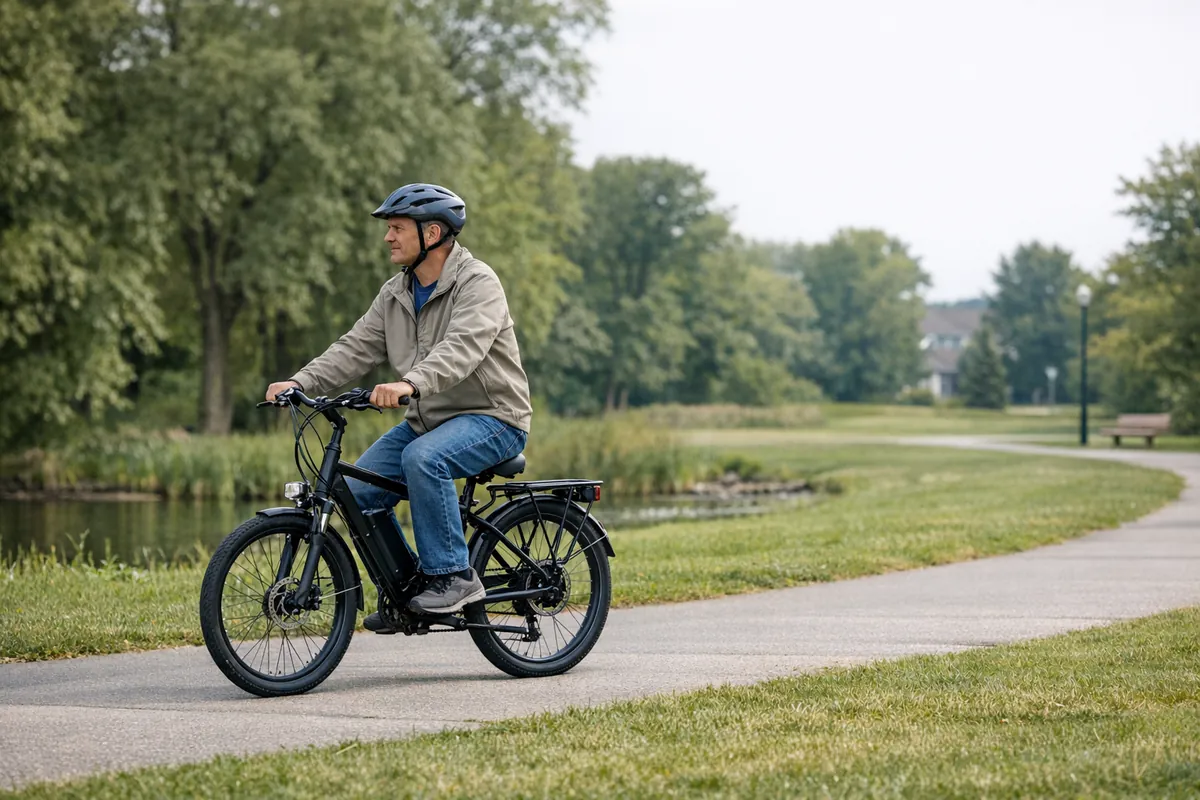
Arkansas's official sources are much cleaner for e-bikes than they are for homemade gas-bike edge cases. But the state still gives two useful signals that gas-powered or non-e-bike machines can fall into different legal buckets.
Arkansas DFA's current registration fee schedule lists:
That is a meaningful Arkansas-specific distinction. It suggests that transmission type can matter for certain small motorized bicycle categories.
Arkansas DFA's motorcycle-license page also shows that the state separately regulates motor-driven cycles:
That is a strong sign Arkansas does not want riders to assume every small motorized bike gets bicycle treatment.
If your machine is a standard class 1, 2, or 3 e-bike, Arkansas is straightforward. If it is gas-powered, scooter-like, or powerful enough that DFA or law enforcement could see it as a motor-driven cycle, do not assume the e-bike rules apply.
The safest Arkansas question is not just, “How fast does it go?” It is, “What category would Arkansas call this machine?”
This is the easiest Arkansas case. The state treats the e-bike like a bicycle, not like a registered motor vehicle. You still need to follow normal traffic rules, but Arkansas does not require the registration, driver license, and insurance package that applies to motor vehicles.
Arkansas still treats it as an e-bike, but the extra restrictions matter. Riders under 21 need helmets, riders under 16 cannot ride one, and local path rules matter more here than with lower-speed classes.
Arkansas DFA's fee schedule currently lists that category as exempt from registration. That is helpful, but it is not a free pass to ignore classification questions. You still need to make sure your machine truly fits the category Arkansas is using.
Arkansas DFA's fee schedule currently lists a $3 registration fee and $2.50 validation decal fee for that category. So even among very small motorized bicycles, Arkansas does not apply one universal rule.
This is where Arkansas becomes much less forgiving. DFA's license page shows the state has dedicated motorcycle and motor-driven-cycle licensing buckets. If your machine falls there, you should plan around those rules instead of bicycle rules.
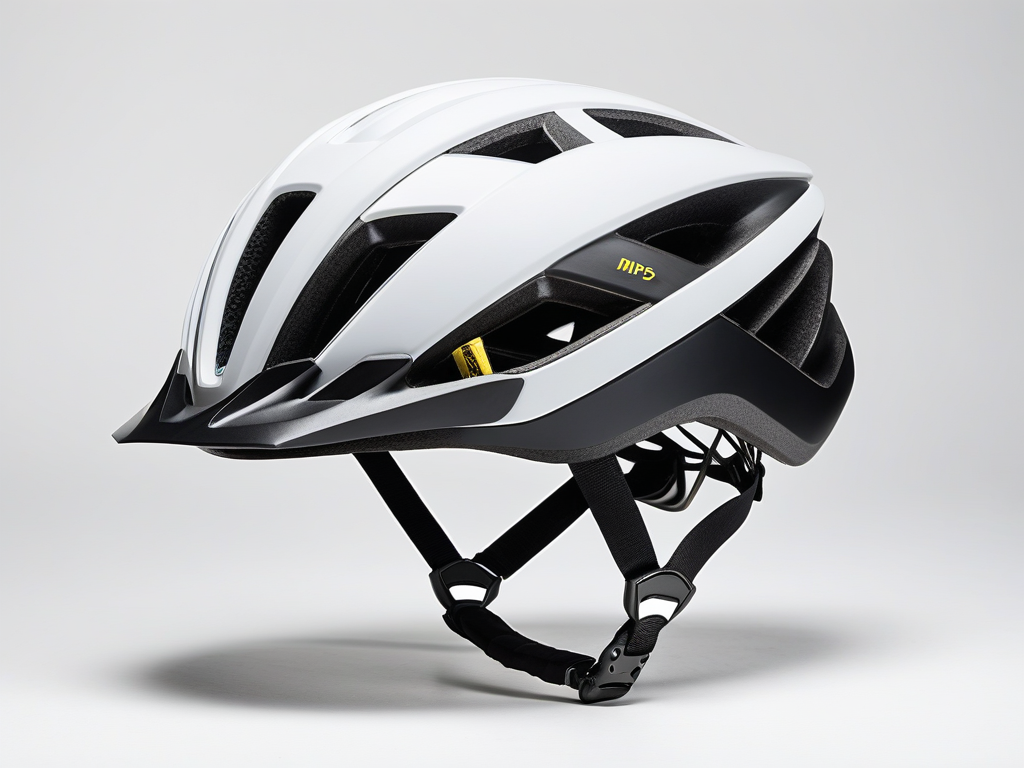
Arkansas's official e-bike guidance says:
Arkansas DFA's registration fee schedule lists:
Arkansas's official materials in this source set do not provide one simple statewide explainer for every insurance, road-use, and operator-rule detail across every gas-bike category. If your build is gas-powered, verify the exact Arkansas classification before relying on a simplified internet summary.
Arkansas DFA's motorcycle-license page shows:
That is enough to show that once a machine lands in motor-driven-cycle territory, Arkansas has moved well beyond ordinary bicycle treatment.
For e-bikes, Arkansas starts from bicycle rules. But that does not mean every path or trail is automatically open.
Arkansas's e-bike guidance says local governments can restrict use of e-bikes under motor power on bike paths. The same handout also warns that trail access can vary significantly across local, state, and federal land managers.
So the practical Arkansas rule is: