Motorized Bicycle Laws in Alaska now draw a clean line between electric-assisted bicycles and motor-driven cycles. If your ride has working pedals, stays within Alaska’s class 1, 2, or 3 e-bike rules, and uses an electric motor of no more than 750 watts, the state treats it as a bicycle. If your machine uses a small gas engine or another under-50cc motorized setup, Alaska places it in the separate motor-driven-cycle bucket instead.
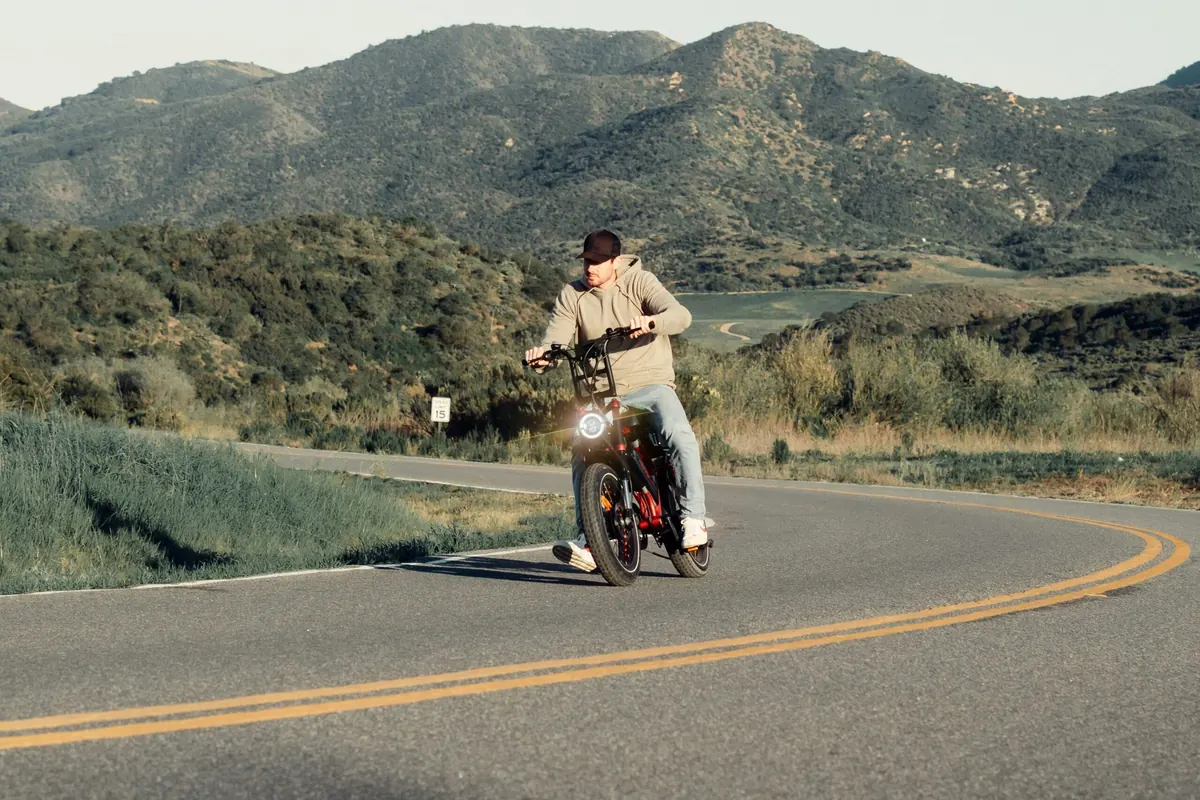
That distinction matters because Alaska’s licensing, registration, and helmet rules are much lighter for e-bikes than for gas-powered or otherwise motorized bicycles. Here is the practical version of the law.
Yes, but the rules depend on what you are riding.
Alaska’s current statutes expressly recognize three e-bike classes. In plain English, your bike qualifies only if it has fully operative pedals, a seat or saddle, no more than three wheels touching the ground, and an electric motor rated at 750 watts or less.
Alaska also says an electric-assisted bicycle is a bicycle, not a motor vehicle, motorcycle, or motor-driven cycle. That is the key reason e-bikes get much friendlier treatment than small gas-powered builds.
Usually no. Alaska specifically exempts electric-assisted bicycles from vehicle registration, and the e-bike statutes say riders get the same rights and duties as bicycle riders unless a more specific rule applies in that location.
For most riders, that means a compliant e-bike is the easiest street-legal option in Alaska if you want something that still feels bicycle-like. You do not step into the usual motorcycle-style registration bucket just because the bike has an electric assist motor.
At the statewide level, Alaska says electric-assisted bicycles are to be treated like bicycles, and the statute also limits state-level regulations that would broadly ban them from sidewalks, bike paths, or other pedestrian-restricted ways. But that is not the end of the story.
Alaska law also leaves room for:
So the safe rule is this: state law is e-bike-friendly, but local access rules can still narrow where you may ride. If you plan to use a trail network, a boardwalk area, or a state-park route, check the site-specific rule before you go.
Alaska keeps a separate category for a motor-driven cycle. That term includes a motorcycle, motor scooter, motorized bicycle, or similar conveyance with an engine displacement of 50cc or less. Alaska’s e-bike law also makes clear that an electric-assisted bicycle is not part of this category.
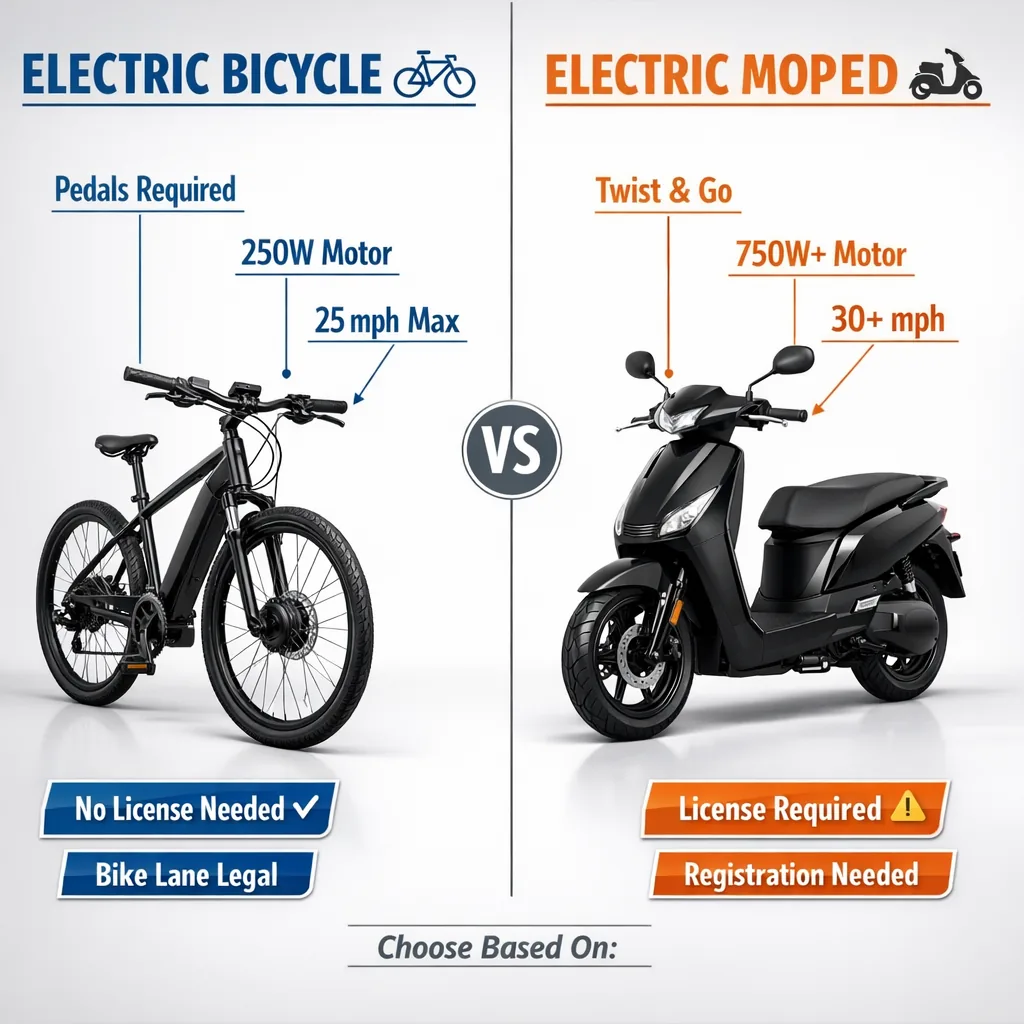
That means a small gas-powered bicycle kit, tiny scooter, or similar under-50cc machine should be analyzed under Alaska’s motor-driven-cycle and motorcycle guidance, not under the bicycle rules.
Yes, some form of license is generally part of the picture. Alaska DMV says motorcycles and motor scooters with an engine displacement of less than 50cc can be operated with a basic driver license. Alaska also offers an M2 permit for riders who are 14 or 15 years old, and that permit allows operation of a motor-driven cycle under 50cc.
So the practical split is:
If your machine is over 50cc, you move out of this lighter bucket and into the regular motorcycle-license framework.
Usually yes for road use. Alaska DMV says every vehicle must be registered unless the law specifically exempts it. The e-bike statutes create a specific exemption for electric-assisted bicycles, but that exemption does not extend to the separate motor-driven-cycle category.
In other words, once your ride stops qualifying as an e-bike and starts qualifying as a street-use motor-driven cycle, you should expect Alaska’s normal vehicle paperwork to matter. Alaska DMV’s title guidance also shows that the agency issues titles for motorcycles, which is another sign that true motorized road machines belong in the vehicle system, not the bicycle system.
Because equipment setups can vary, riders should still confirm the exact paperwork needed for their specific build with Alaska DMV before riding on public roads.
For motorcycle and motor-driven-cycle operation, Alaska DMV says helmets are required for:
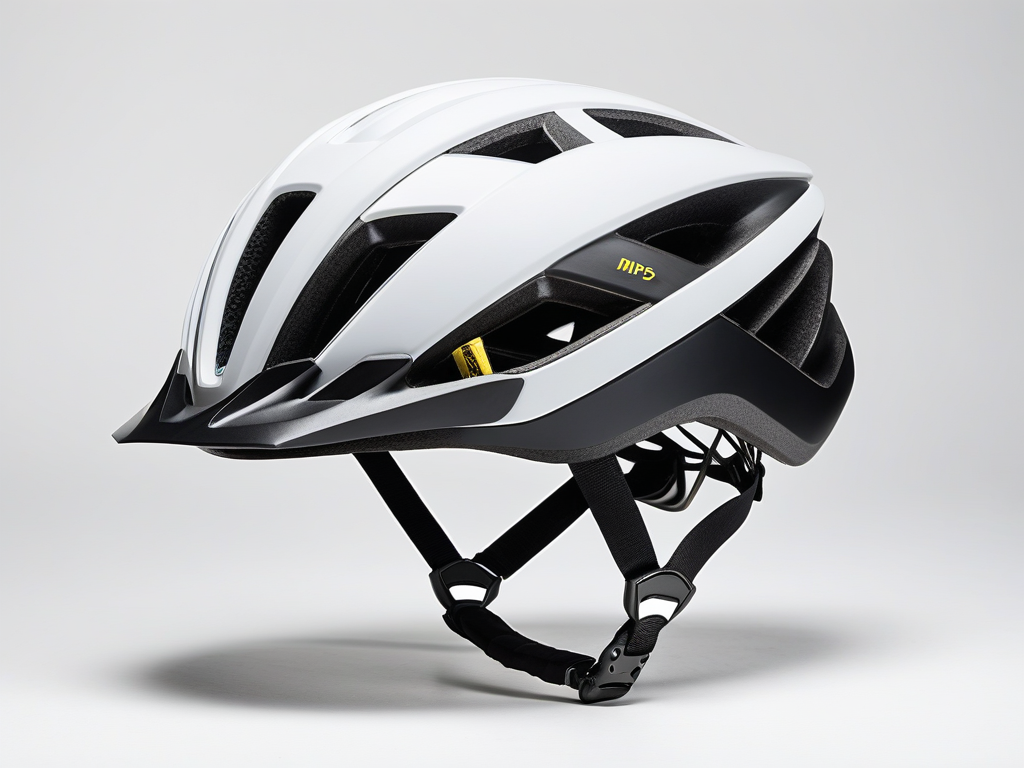
Alaska’s e-bike statutes themselves do not create a separate statewide e-bike helmet mandate in the same way. Even so, a quality helmet is still one of the smartest upgrades you can make, especially on faster class 3 bikes or mixed-use roads.
If you want the simplest legal path in Alaska, use a compliant class 1, 2, or 3 e-bike with working pedals and a 750W-or-smaller motor. That keeps you in the bicycle lane of the law, where registration is not required and the state generally treats you like a normal cyclist.
If you are building or buying a gas-powered bicycle or other under-50cc machine, do not assume Alaska will treat it the same way. Once it falls into the motor-driven-cycle category, Alaska DMV licensing and vehicle paperwork rules become much more important.
For a broader state-by-state comparison, visit our motorized bicycle laws hub. If you are still deciding between categories, our e-bike vs. moped guide can help you understand the tradeoffs before you buy or build.
This article is for general informational purposes only and is not legal advice. Alaska laws, regulations, park-management rules, and local ordinances can change. Verify the latest requirements with the Alaska Legislature, Alaska DMV, and the local authority where you plan to ride.