If you are wondering what is a class 3 ebike, the short answer is that it is an electric bike that uses pedal-assist and can provide motor assistance up to 28 mph under the common three-class system used in many parts of the United States. In practical terms, a Class 3 eBike is usually built for faster commuting and road riding, but the rules for where you can use one still depend on your state and local regulations.
Quick answer: A Class 3 eBike is a pedal-assist electric bike that can assist up to 28 mph. It is commonly chosen for commuting and longer paved rides, but riders should still check local rules about access, helmet requirements, and where Class 3 bikes are allowed.
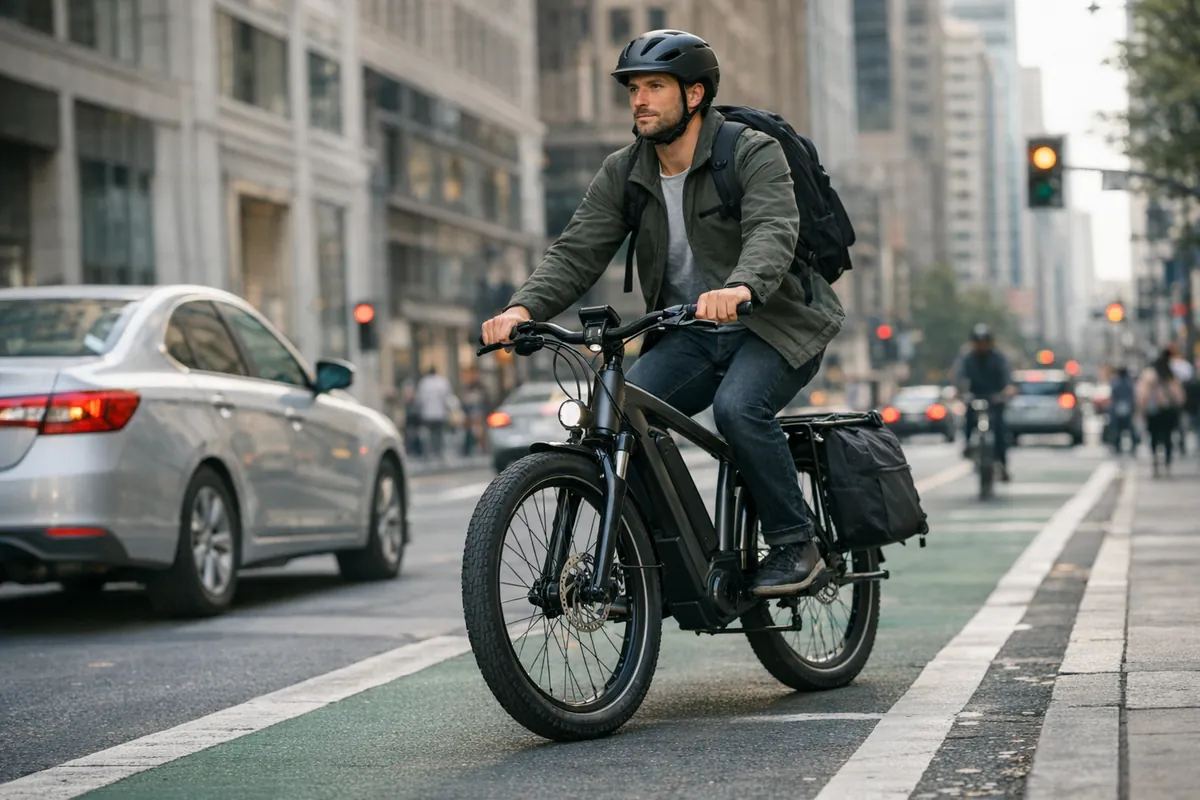
Main takeaway: “Class 3” usually refers to assisted speed capability within the three-class eBike system, not a guarantee that the bike can be ridden everywhere a standard bicycle can go.
In the standard three-class system, a Class 3 eBike is generally a pedal-assist bike that stops providing motor assistance at 28 mph. That is the defining feature most riders are referring to when they ask what a Class 3 eBike is.
This makes it different from lower-speed classes. A Class 1 eBike is also pedal-assist, but it usually cuts off assistance at a lower speed. A Class 2 eBike is often associated with lower assisted speeds and may include a throttle. If you want a better sense of how these systems differ mechanically, it helps to understand electric bike motors before comparing categories too closely.
| Class 3 eBike feature | What it usually means | Why riders care |
|---|---|---|
| Assist type | Pedal-assist | The motor helps while you pedal rather than replacing pedaling entirely |
| Top assisted speed | Up to 28 mph | Useful for faster commuting and longer paved trips |
| Typical use | Commuting, fitness, road-focused riding | Often chosen by riders who want to cover distance more efficiently |
| Legal treatment | Varies by state and path system | Access is not identical everywhere |
| Practical tradeoff | More speed, more responsibility | Riders need to think more about route choice and safety |
The number most people care about is 28 mph, but that number needs context. It refers to the point where motor assistance stops, not a promise that every rider will cruise at exactly that speed all the time. Your real speed depends on the bike, your pedaling effort, terrain, wind, traffic, and battery condition.
That said, the higher assisted speed is exactly why many commuters look at Class 3 models. On paved routes, they can make longer trips feel more realistic and help riders keep a steadier pace than a lower-speed eBike might allow.
No. This is one of the biggest areas of confusion. The Class 3 label tells you what kind of bike you have, but it does not automatically tell you where it is allowed. Some states and local systems are more welcoming to Class 3 bikes on roads and bike lanes, while some trails, shared paths, or other facilities may limit higher-speed eBikes.
That is why it is smart to think of Class 3 as a technical category first and a legal answer second. Riders should check their local rules instead of assuming the same access rules apply everywhere. If you want a state-specific example, reviewing Nevada motorized bicycle laws can show why local details matter.
Practical tip: before riding a Class 3 eBike regularly, confirm where it is allowed on your normal route, whether your area has helmet or age requirements, and whether any bike paths or trails restrict faster eBikes.
Class 3 eBikes are often a strong fit for commuters, road riders, and people who want to cover more distance efficiently without moving into moped territory. If your goal is to replace short car trips, shorten commute times, or make longer paved rides easier to manage, a Class 3 bike can make a lot of sense.
It is not automatically the best choice for every rider, though. If your rides are short, slow, casual, or mostly on routes where higher assisted speed is not very useful, another eBike class may be easier to live with. Riders still comparing categories may want to review broader e-bike buying tips before deciding what fits their needs best.
As speed goes up, rider awareness becomes more important. Braking distance, visibility, lane position, and road surface matter more at higher assisted speeds, especially when riding in traffic. A Class 3 eBike is still an eBike, but it asks for more attention than a slower casual bike setup.
That is one reason protective gear and riding habits matter. A quality helmet is a smart baseline for any eBike rider, and it becomes even more important when riding faster pedal-assist bikes, so an e-bike helmet guide can be worth reviewing before regular riding.
A Class 3 eBike is generally a pedal-assist electric bike that can provide assistance up to 28 mph within the common three-class framework. That makes it appealing for commuting and faster paved riding, but it also means riders need to pay closer attention to local rules, route choice, and overall safety.
If you remember one thing, let it be this: Class 3 describes how the bike performs, not a universal permission slip for every road, path, or trail. Understanding both the speed category and the legal context is the best way to ride a Class 3 eBike with confidence.