Learning how to save money on an ebike starts before you compare prices. The real win is buying the right class of bike, avoiding expensive battery mistakes, skipping features you will not use, and protecting the parts that cost the most to replace.
Quick answer: The best way to save money on an eBike is to set a realistic total ownership budget, buy enough battery and motor for your actual riding, compare warranty coverage, check for rebates, and avoid ultra-cheap bikes with hard-to-replace batteries or weak brakes. A slightly better eBike can be cheaper over time if it prevents early battery replacement, unsafe upgrades, or repeated repairs.
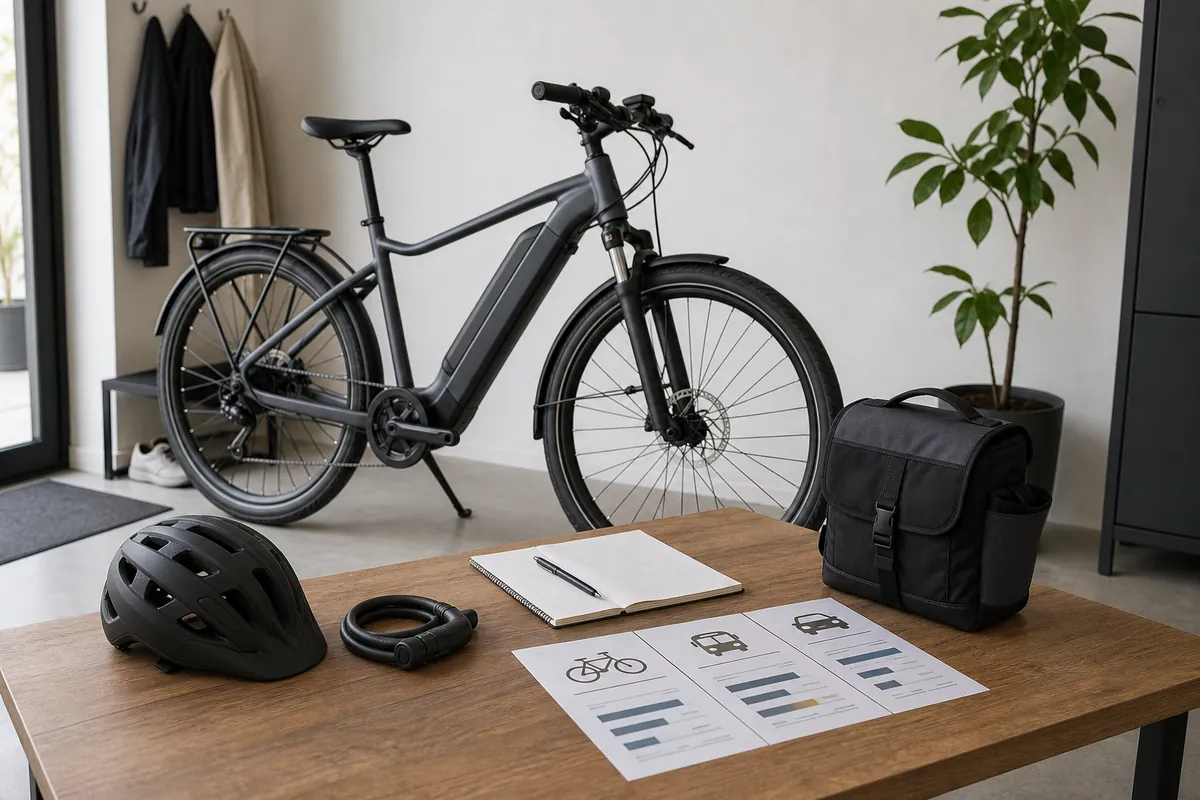
The lowest sticker price is not always the cheapest path. With eBikes, the expensive parts are usually the battery, motor system, controller, display, brakes, tires, and proprietary replacement parts. If a bargain bike uses unusual components or has poor support, the first repair can erase the savings.
Start with your real use case. A rider who travels three flat miles to work needs a different eBike than someone hauling groceries, climbing hills, or riding in cold weather. Buy for the hardest ride you will do regularly, not for the fantasy ride that only happens twice a year.
If you are still narrowing the basics, MBHQ’s e-bike buying tips can help you separate must-have features from nice-to-have upgrades. For budget shoppers, the guide to the best electric bikes under $2,000 is also a good place to compare value without jumping straight into premium pricing.
The money-saving rule that matters most: Do not buy less eBike than your route requires. Underbuying often leads to range anxiety, premature battery stress, brake upgrades, discomfort, or selling the bike early. A well-matched mid-budget eBike can be more economical than a too-cheap model that never fits your life.
A smart eBike budget includes the bike, safety gear, locks, maintenance, storage, charging setup, and likely replacement parts. This does not mean you need to overspend. It means you should know what the first year may realistically cost before you click buy.
| Cost area | How to save | What not to cut too far |
|---|---|---|
| Battery | Choose enough capacity for your normal ride plus a buffer. | A no-name battery with unclear replacement support. |
| Motor | Match power to terrain instead of chasing the highest watt number. | A weak system for hills, cargo, or heavier riders. |
| Brakes | Buy a bike with brakes suited to its weight and speed. | Stopping power, especially for commuters and cargo riders. |
| Security | Spend on a strong lock before theft becomes the most expensive lesson. | Lock quality in high-risk parking areas. |
| Maintenance | Learn simple cleaning, chain care, tire pressure, and battery habits. | Ignoring wear items until they damage pricier parts. |
Most riders save more by shopping the right tier than by hunting for a dramatic discount. Entry-level eBikes can be useful for light riding, but they often make tradeoffs in brakes, battery capacity, displays, drivetrain quality, and long-term parts availability. Premium bikes can be excellent, yet many casual riders pay for features they will barely notice.
For many everyday riders, the value zone is a reputable budget or midrange eBike with a sensible battery, normal tire size, decent brakes, clear warranty terms, and replacement parts that are not mysterious. That kind of bike may not be glamorous, but it is often where the ownership math gets better.
Used shoppers should read the used e-bike buying checklist before trusting a low price. A used eBike can be a real bargain, but only when the battery, charger, frame, electronics, and ownership story check out.
Sales can be useful, especially near model-year changes and holiday retail periods. Still, a discount is only valuable if the bike already fits your needs. A $400 markdown on the wrong frame size, weak battery, or poor-support brand is not savings; it is just a cheaper mistake.
Before buying during a sale, compare the final delivered price, return policy, warranty, battery replacement availability, shipping fees, and assembly requirements. If a local shop will not service the bike, factor that into the decision too.
Some cities, utilities, employers, and regional programs offer eBike rebates or transportation benefits. These programs change, so treat them as a pre-purchase checklist item rather than a guaranteed discount. Search your city, county, state, local utility, and employer benefits portal before you buy.
Be careful with timing. Some rebate programs require approval before purchase, while others reimburse after purchase with specific documentation. If you buy first and read the rules later, you may miss the savings entirely.
Practical callout: Before you buy, save screenshots or PDFs of the listing, warranty terms, battery specs, return policy, and rebate requirements. If anything changes after purchase, documentation can protect your return window, warranty claim, or rebate submission.
The battery is usually one of the biggest long-term costs on an eBike. Saving money here does not mean buying the smallest or cheapest pack. It means choosing a battery that fits your route, charges safely, and can be replaced later without turning the whole bike into a stranded purchase.
Look for clear voltage and amp-hour information, replacement battery availability, charger details, and sensible warranty coverage. If the seller cannot explain how to buy a replacement battery, that is a warning sign.
Daily habits matter too. Storing the battery in extreme heat, running it empty constantly, or leaving it neglected for long periods can shorten useful life. MBHQ’s e-bike battery maintenance guide covers the ownership habits that help protect the most expensive component.
Accessories can either save money or quietly bloat the budget. Start with items that protect you, protect the bike, or reduce repair risk: a quality lock, helmet, lights if your bike does not include good ones, a flat repair kit, tire pump, and basic cleaning supplies.
Skip cosmetic upgrades until you know the bike is staying in your life. It is easy to spend on bags, mirrors, phone mounts, and comfort accessories before you have learned what your rides actually need. The better sequence is simple: ride for a few weeks, notice the repeated friction, then buy the accessory that solves a real problem.
For theft prevention, do not treat the lock as optional. A strong eBike lock is much cheaper than replacing the bike, and good locking habits matter as much as the lock itself. If you park outside often, security belongs in the first-year budget, not on a someday wish list.
A used eBike can save real money, but it also shifts more risk onto you. The battery may be older than claimed, replacement parts may be unavailable, and the bike may have crash damage or electrical issues that are hard to spot in a quick parking-lot test ride.
If you shop used, ask for the original receipt, charger, keys, battery information, mileage if available, and service history. Test the assist levels, brakes, display, lights, charger port, and battery mounting system. A low used price is only attractive if the bike is safe, legal for your area, and serviceable.
Walk away from a used eBike with a missing charger, vague battery story, damaged frame, swollen battery case, or seller who will not allow a proper test ride. Those are not small details; they can be the difference between a deal and a repair project.
The cheapest repair is often the one you prevent. Keep tires inflated within the recommended range, clean the drivetrain, listen for brake noise, check fasteners, and avoid storing the bike where heat, moisture, or theft risk are high. Small habits protect range, ride quality, and component life.
Do not ignore brake pads. eBikes are heavier and often faster than regular bicycles, so brake wear can arrive sooner than a new rider expects. Replacing pads on time is far cheaper than damaging rotors or riding with poor stopping power.
Financing can make sense if the terms are clear and the payment fits your transportation budget, especially if the eBike replaces car trips, parking fees, rideshares, or transit costs. But financing a bike that is already too expensive for your needs can turn a savings plan into a monthly obligation that lingers after the excitement fades.
Compare the total amount paid, not just the monthly payment. If the financing cost pushes the bike above a better cash-price alternative, the deal may not be as good as it looks.
Once you know what you actually need, small purchases can protect a much bigger investment. Prioritize locks, flat repair tools, lights, cleaning supplies, and basic maintenance items before cosmetic add-ons. The goal is not to buy more gear; it is to avoid preventable theft, downtime, and wear.
The smartest way to save money on an eBike is to buy for long-term usefulness, not the lowest checkout price. Choose a bike that fits your route, protect the battery, avoid unsupported bargain models, use rebates when available, and spend only on accessories that reduce real risk. A good eBike should make transportation simpler, not become a string of avoidable costs.
* We may earn a commission when you buy through our links.