Fat tire ebike pros and cons come down to comfort, traction, weight, handling, and how you actually ride. A fat tire electric bike can feel stable and confidence-building on rough pavement, gravel, sand, snow, and loose paths, but it is usually heavier, less efficient, and more awkward to store or lift than a standard tire ebike.
Quick answer: A fat tire ebike is worth considering if you want extra stability, a cushier ride, and better traction on loose or uneven surfaces. It is less ideal if you need a lightweight commuter, maximum range, easy transport, or nimble city handling. For most riders, fat tires make the most sense when comfort and surface versatility matter more than portability and efficiency.
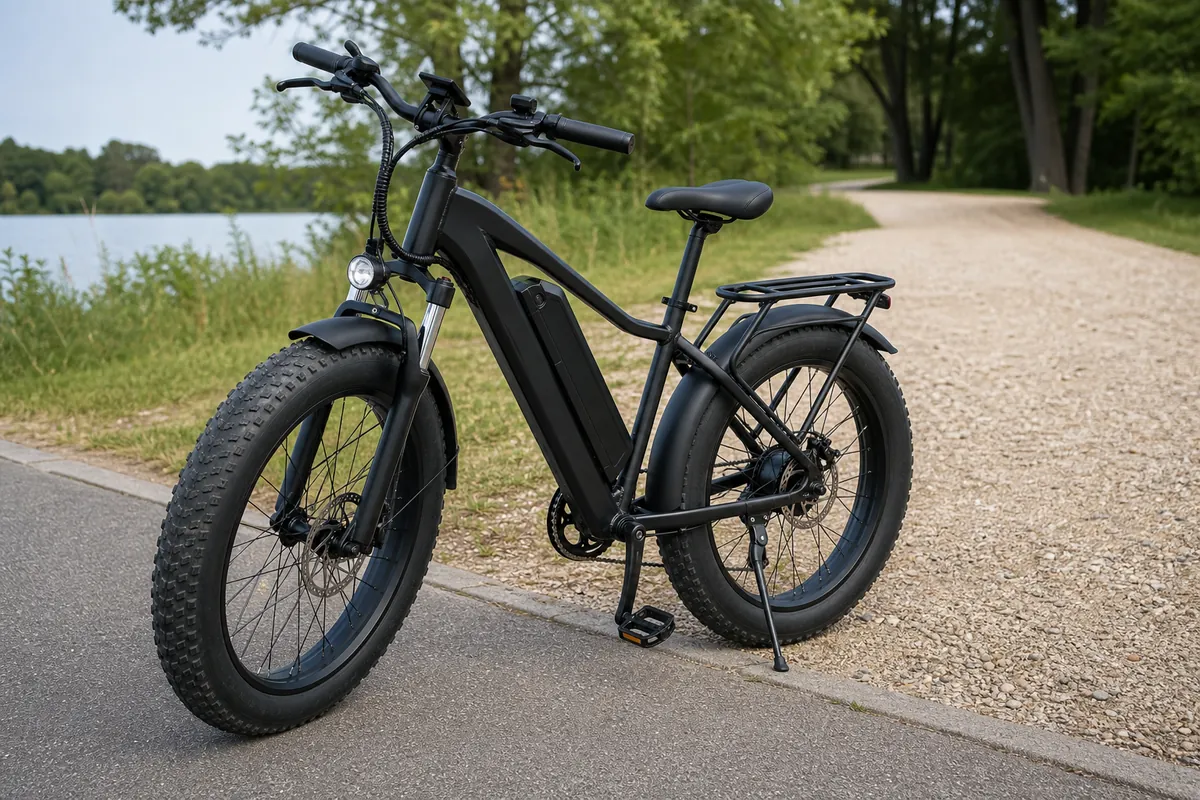
Fat tire ebikes look rugged for a reason: the wide tires spread the bike’s contact patch and add a bit of natural cushioning. That can make the bike feel planted, especially for newer riders or anyone who dislikes the twitchy feel of narrow tires. The tradeoff is that wide tires add rotating weight and rolling resistance, so the motor and battery have to work harder.
| Factor | Fat tire ebike advantage | Fat tire ebike drawback |
|---|---|---|
| Comfort | Wide tires can smooth out bumps and broken pavement. | The ride can feel bouncy if tire pressure is poorly matched to the surface. |
| Traction | Helpful on gravel, dirt, sand, snow, and loose shoulders. | Less meaningful on clean pavement, where standard tires are already capable. |
| Range | Electric assist offsets some of the drag. | Extra tire weight and rolling resistance can reduce efficiency. |
| Handling | Stable at relaxed speeds and on rough surfaces. | Can feel slower to turn in tight urban riding. |
| Ownership | Versatile for mixed terrain and casual exploring. | Heavier to lift, rack, store, and repair on the roadside. |
The biggest everyday benefit is stability. Fat tires can make an ebike feel more settled under you, especially when crossing cracks, gravel patches, dirt paths, or uneven road edges. That does not make the bike immune to slipping, but it can make small surface changes feel less dramatic.
This is why fat tire ebikes often appeal to riders who want comfort more than speed. If you are shopping your first electric bike, the extra planted feel may be reassuring. Still, fit and frame style matter just as much as tire width, so it is worth reading broader e-bike buying tips before treating fat tires as the whole answer.
Wide tires can help on surfaces where narrower tires may dig in, skip, or feel nervous. Gravel paths, sandy trails, packed snow, and rough shoulders are the obvious examples. A fat tire ebike is not automatically an all-terrain machine, but it gives you more contact with the ground and a larger margin for casual mixed-surface riding.
The key word is casual. A fat tire ebike may be excellent for relaxed exploring, campground riding, beach-town paths, or rough local roads. It is not a substitute for knowing the limits of your brakes, motor, tires, and local trail rules.
Fat tires can absorb some chatter before it reaches your hands, back, and seat. On rough pavement, that can matter more than it sounds. A bike with no suspension but properly inflated wide tires may feel more comfortable than a stiff narrow-tire ebike over broken streets.
That said, tire pressure matters. Too much pressure can make the bike harsh and skittish; too little can make it feel sluggish or squirmy. If you ride far from home, a wider tire also makes flat planning more important, so keep a practical repair setup in mind. MBHQ’s guide on what to carry for an e-bike flat tire is a useful companion for heavier electric bikes.
Best fit: Fat tire ebikes are strongest for comfort-first riders, mixed pavement and gravel routes, rough local roads, relaxed exploring, and riders who value a planted feel over a light, quick bike.
Fat tire ebikes are often heavy. The wide tires, larger rims, sturdy frames, motors, and batteries all add up. That may not matter while the motor is helping, but it matters when you lift the bike onto a rack, carry it up steps, roll it through a hallway, or squeeze it into an apartment.
This is the drawback many buyers underestimate. A bike can feel easy during a test ride and still become annoying when you have to load it after every ride. Before buying, think through the whole ownership loop: where it parks, how it charges, whether your rack can handle it, and whether you can move it safely when the battery is low or removed.
Fat tires create more rolling resistance than slimmer tires, especially on pavement. Electric assist masks that extra drag, but it does not erase it. The motor may draw more power to hold the same speed, particularly with low tire pressure, headwinds, hills, cargo, or a heavier rider.
Range claims are already sensitive to riding style and terrain, so fat tires add one more variable. If range is your top priority, compare battery size, motor type, rider weight assumptions, and tire setup instead of relying on a single advertised number. For a broader view of the market, MBHQ’s best electric bikes guide can help you compare fat tire models against more efficient commuter-style options.
A fat tire ebike can feel steady in a straight line but slower to change direction. In tight bike lanes, crowded paths, garages, and narrow turns, the extra tire mass and wider footprint may feel less nimble than a standard-tire ebike.
This is not automatically bad. Some riders prefer the calm, anchored feel. But if your riding is mostly stop-and-go city commuting, elevators, racks, curbs, and crowded paths, a lighter ebike may be easier to live with day after day.
A fat tire ebike is a strong candidate if you ride mixed surfaces, dislike harsh road feedback, or want a bike that feels stable and relaxed. It can also make sense for recreational riders who value comfort, weekend exploring, and imperfect pavement more than speed or efficiency.
It is probably not the best first choice if you need to carry the bike often, have limited storage, depend on a car rack, or want the longest possible range from a smaller battery. A lighter commuter ebike, step-through city ebike, or hybrid-style electric bike may be a better match in those cases.
Practical buying check: Before choosing a fat tire ebike, confirm the loaded bike weight, tire size, battery placement, brake quality, rack compatibility, and whether replacement tubes or tires are easy to find. A comfortable test ride is useful, but the ownership details decide whether the bike stays enjoyable.
Because fat tires add drag, the motor and battery should match your terrain. Flat neighborhood rides need less help than hills, headwinds, cargo, and soft surfaces. A stronger motor can feel great, but it should be paired with dependable brakes and a battery that supports your real route, not just a best-case range claim.
If motor specs feel confusing, start with the basics in electric bike motors explained. Understanding hub motors, mid-drive motors, torque, and assist behavior makes it easier to separate useful specs from marketing noise.
Fat tire ebikes can carry a lot of mass, especially with a rider, bags, accessories, and a large battery. Brakes deserve close attention. Hydraulic disc brakes are common on many capable ebikes, but the exact setup, rotor size, pad availability, and maintenance support still matter.
Also check tire availability. Fat tires are not all the same size, and replacement cost can be higher than standard bicycle tires. If the bike uses unusual parts, make sure you can source tubes, tires, brake pads, chargers, and basic service before you commit.
Do not buy a fat tire ebike only because it looks capable. Stand-over height, handlebar reach, saddle comfort, step-through access, and control layout all matter. A bike that feels slightly too tall, wide, or heavy in the shop can become tiring after a few weeks.
For shorter riders, older riders, or anyone carrying cargo, a step-through frame may be easier to mount than a high-step fat tire frame. For apartment living, a narrower and lighter ebike may be the more honest answer. The best bike is not the most rugged one; it is the one you will actually ride.
If your riding includes rough pavement, gravel paths, beach-town roads, winter slush, packed dirt, or relaxed exploring, a fat tire ebike belongs on your shortlist. If you mostly ride clean pavement and care about range, weight, and easy storage, compare it against standard-tire commuter ebikes before buying.
Use product listings as a starting point, then filter hard for weight, battery size, brakes, frame fit, tire size, and service support. The goal is not to find the most aggressive-looking bike. It is to find a model whose tradeoffs match your real routes.
A fat tire ebike is worth it when comfort, stability, and mixed-surface confidence are your priorities. It is less compelling when you need a light, efficient, easy-to-store bike for mostly paved routes. The honest answer is simple: choose fat tires for comfort and versatility, not because they are automatically better.
If you are torn, list your normal rides first. Rough roads, gravel, loose paths, and relaxed cruising point toward fat tires. Stairs, tight storage, car racks, long paved commutes, and maximum range point toward a lighter standard-tire ebike.
* We may earn a commission when you buy through our links.