Motorized Bicycle Laws in North Dakota are easiest to follow when you split the question into two lanes: electric bicycles and motorized bicycles / mopeds. North Dakota now gives electric bicycles their own class 1, 2, and 3 definitions, path-access rules, and equipment rules. But a gas-powered or moped-style bike that fits the state's motorized-bicycle definition still falls into the permit, registration, title, insurance, and under-18 helmet lane.
Note: This North Dakota guide is based on current North Dakota Century Code definitions plus current NDDOT motorcycle-license and registration guidance. It is informational only and not legal advice.
Last reviewed / source-checked: 2026-03-16
North Dakota-specific caution: The biggest legal split in North Dakota is whether your machine is an electric bicycle or a motorized bicycle. The state specifically excludes electric bicycles from the motorized-bicycle definition, so riders should not mix those rule sets together.
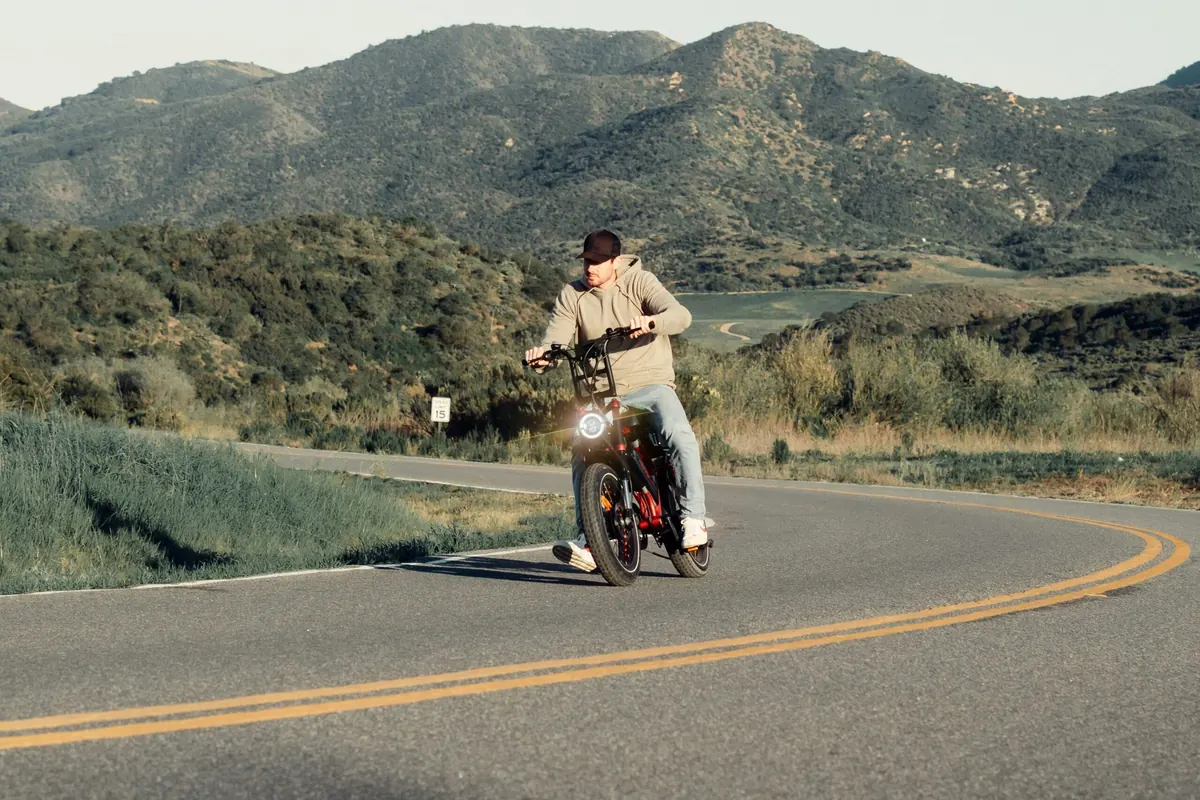
North Dakota is clearer than many older state summaries because the code now separates e-bikes from mopeds.
That definition split is the core of Motorized Bicycle Laws in North Dakota. The North Dakota code expressly says the term motorized bicycle does not include an electric bicycle.
North Dakota's definitions section now spells out all three e-bike classes instead of forcing riders to guess whether the state recognizes them.
Beginning January 1, 2022, North Dakota requires manufacturers or distributors to place a permanent label on an electric bicycle showing:
The statute also requires the electric motor to disengage when the rider stops pedaling or when the brakes are applied.
This is one of the most useful state-specific rules. North Dakota says an individual may operate an electric bicycle on any bicycle path or multi-use path unless otherwise prohibited by a governmental entity having jurisdiction. That means local trail managers, park agencies, or cities can still post narrower rules.
North Dakota requires a class 3 electric bicycle to have a functioning speedometer. It also says an individual under 18 may not operate a class 3 electric bicycle unless wearing a safety helmet.
The cited e-bike statutes focus on classification, equipment, and path access. North Dakota's permit, registration, title, and liability-insurance rules in this source packet are tied to motorized bicycles / mopeds, not to the separate electric-bicycle definition.
To stay in the motorized-bicycle lane, the vehicle has to meet the state's full definition. That means no more than 49.98cc if it uses a combustion engine, no more than 2 brake horsepower, no more than 30 mph on a level surface, automatic/direct drive, and a maximum width of 32 inches.
North Dakota's driver-license law says the director may issue a motorized bicycle operator's permit to an applicant who is at least 14 years old. To get that permit, the rider must pay the required fee, pass a written exam on traffic laws and the rules of the road, and satisfy the eyesight requirement.
If you already have an operator's license, temporary permit, instruction permit, or motorcycle permit, the statute says you do not need a separate motorized-bicycle operator's permit.
North Dakota law imposes an additional motorcycle-safety-education fee at the time of motorized bicycle and motorcycle registration. The current NDDOT registration manual also treats mopeds as titled and registered vehicles, with a registration/license fee, title fee, and applicable excise/disposal fees at titling.
NDDOT's registration manual says liability insurance is required on a registered moped. The same manual notes that a motorcycle or moped is required to have liability insurance but is not required to carry no-fault insurance like a standard passenger car.
North Dakota's motorcycle-rider equipment rule says no one under 18 may operate or ride on a motorcycle without a DOT-standard helmet. In the motorcycle chapter, North Dakota says the term motorcycle includes motorized bicycles, so the under-18 helmet rule applies to motorized-bicycle riders too.
A rider cannot carry a passenger unless the vehicle is designed for more than one person. If it carries a passenger, the vehicle must also have passenger footrests unless the passenger is in a sidecar or enclosed cab.
Your first question is whether it fits class 1, 2, or 3. If it does, North Dakota treats it in the electric-bicycle lane rather than the motorized-bicycle lane.
North Dakota is fairly friendly to e-bikes here. The statewide default allows an electric bicycle on a bicycle path or multi-use path unless the local authority that controls the facility says otherwise. Check posted local rules before assuming every trail allows every class.
You are likely in the motorized-bicycle lane, not the e-bike lane. That means you should think about permit or license status, registration, title paperwork, and liability insurance before riding on public roads.
North Dakota can issue a motorized-bicycle operator's permit at age 14. If you are under 18 on a motorized bicycle, wear a DOT-standard helmet. If you are under 18 on a class 3 e-bike, the e-bike statute also requires a helmet.
Make sure the bike is actually designed for a passenger. North Dakota requires proper seating, and passenger footrests are required unless the passenger is in a sidecar or enclosed cab.
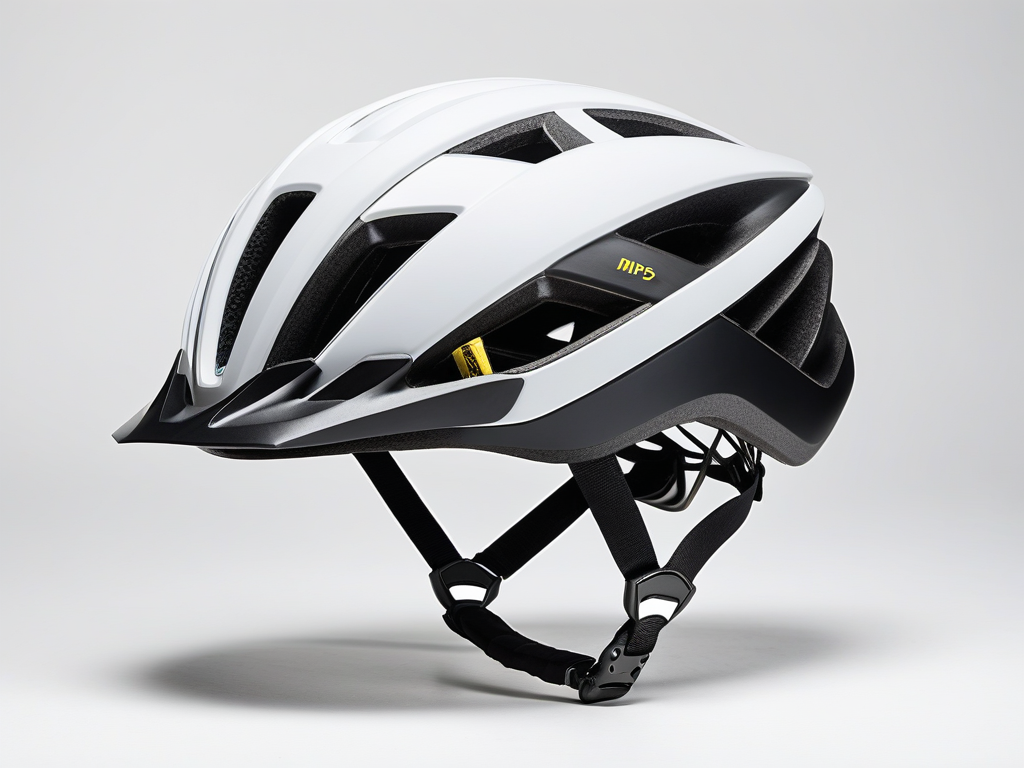
North Dakota's statewide rule is helpful, but it is not the end of the story. A city, park system, or other governmental entity with jurisdiction can prohibit electric bicycles on a bicycle path or multi-use path. That means the safest habit is to read posted trail rules, especially on managed recreation paths.
This page is for general informational purposes only and is not legal advice. North Dakota statutes, NDDOT procedures, and local path or trail rules can change. Verify the current rules before riding on public roads, bicycle paths, multi-use trails, or municipal property.