Motorized Bicycle Laws in New Hampshire split true electric bicycles from mopeds and other motor-driven cycles. If your ride is a class 1, 2, or 3 e-bike under New Hampshire law, the state generally treats it like a bicycle and exempts it from registration, title, driver-license, plate, and financial-responsibility rules. If your build is a gas-powered moped or another bicycle with a motor attached, the licensing and registration answer changes fast.
Note: This New Hampshire guide is based on current New Hampshire RSA definitions and New Hampshire DMV licensing and registration guidance. It is informational only and not legal advice.
Last reviewed / source-checked: 2026-03-15
Local rule note: Cities, towns, and state agencies can still restrict some e-bike path and trail access, especially for class 3 bikes and natural-surface nonmotorized trails.
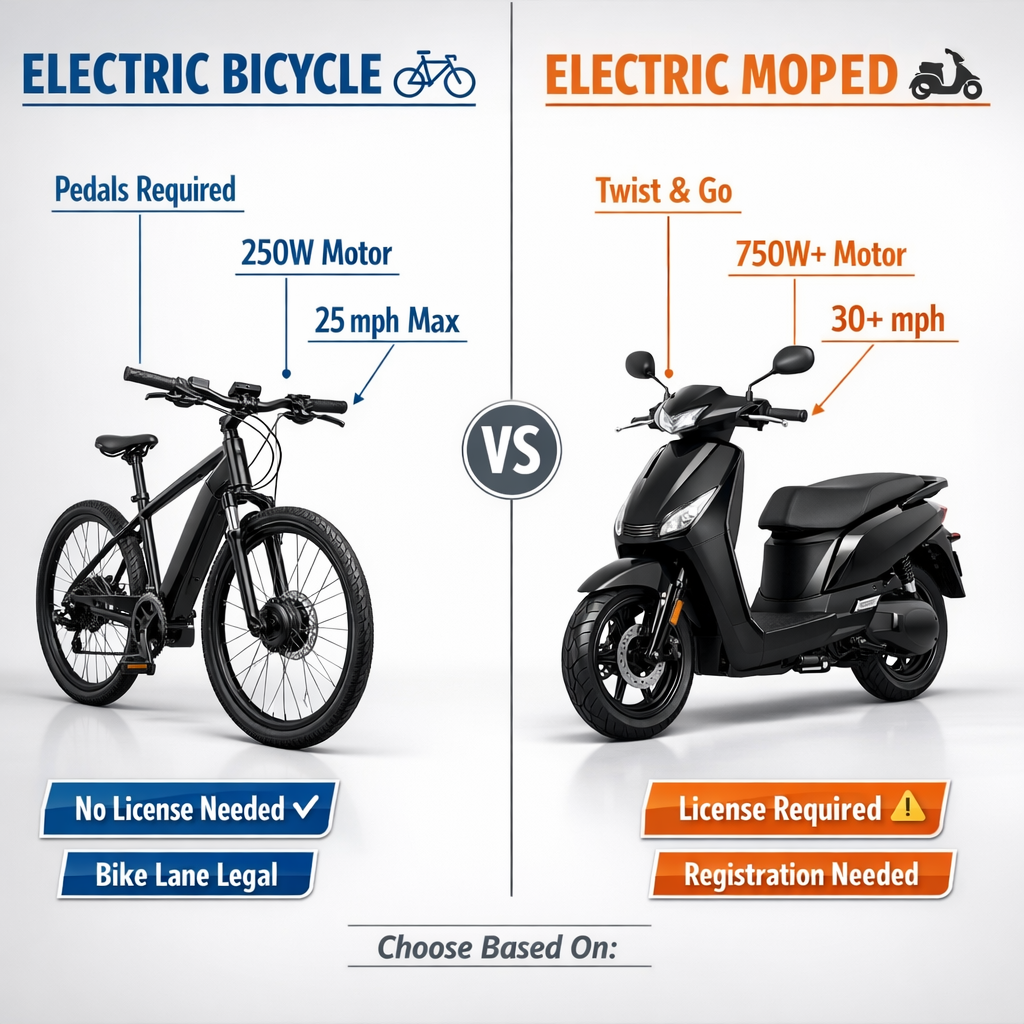
New Hampshire is easier to read than many states because it separates these vehicle types directly in the statute.
That split is the core of Motorized Bicycle Laws in New Hampshire. A compliant e-bike is not analyzed the same way as a gas helper bike, moped, or small motor scooter. If your build stops fitting New Hampshire's e-bike definition, you should not assume the bicycle-friendly rule set still applies.
New Hampshire's 2019 e-bike law is unusually clear and gives compliant e-bikes a better legal posture than many older summary pages suggest.
RSA 265:144-a says electric bicycles and their operators get all the rights and privileges, and all the duties, of a bicycle or bicycle operator unless the section says otherwise. In plain English, New Hampshire starts from a bicycle-first rule for compliant e-bikes.
This is one of the biggest New Hampshire-specific differentiators. The statute says an electric bicycle is not subject to the Title XXI rules on driver's licenses, registration, certificates of title, license plates, financial responsibility, or off-highway recreational vehicle treatment. For most readers, that means a true e-bike is the lowest-friction legal option.
Class 1 and class 2 e-bikes may be ridden on bicycle paths and multi-use paths where bicycles are allowed. But New Hampshire leaves room for local control: a city, town, or state agency with jurisdiction may still prohibit class 1 or class 2 use on a specific path.
Class 3 electric bicycles are treated more cautiously. New Hampshire says a class 3 e-bike cannot be ridden on a bicycle or multi-use path unless it is within or adjacent to a highway or roadway, or unless the city, town, or state agency with jurisdiction expressly permits class 3 use there.
New Hampshire's default path rule does not apply to a trail designated as nonmotorized when the trail has a natural-surface tread made by clearing and grading native soil with no added surfacing materials. The local authority or agency in charge may regulate e-bike use there separately.
New Hampshire adds three important class 3 rules:
The statute reviewed for this draft does not create the same statewide helmet requirement for every class 1 or class 2 rider, so do not automatically carry over the class 3 rule to every e-bike in New Hampshire.
If your bike uses a gas engine or otherwise falls outside the e-bike definition, New Hampshire shifts into a very different lane.
A moped in New Hampshire is a motor-driven cycle with a 30 mph ceiling. If it uses an internal combustion engine, the displacement cannot exceed 50cc and the power-drive system cannot require shifting. NH DMV consumer guidance also summarizes mopeds as vehicles with no shifting, no more than 2 horsepower or 50cc, and no more than 30 mph on level ground.
New Hampshire DMV says a standard Class D operator license allows the rider to operate a moped. DMV also offers a moped-only license, but that option matters mostly when the rider does not already hold another qualifying New Hampshire license class.
New Hampshire DMV registration guidance treats mopeds as their own exception lane, and RSA 261:80 says the department furnishes a distinct moped number plate to each person whose moped is registered. That is a major difference from the e-bike lane, where the statute expressly removes registration and plate requirements.
The current DMV registration guidance reviewed for this run shows New Hampshire registration workflows relying on proof-of-ownership documents such as a manufacturer's statement of origin or bill of sale. Because the broad registration page is not a moped-only checklist, buyers should confirm the exact current paperwork and fee steps directly with NH DMV before purchase.
New Hampshire defines a motor-driven cycle more broadly than a moped. That category can include a small motorcycle, motor scooter, or bicycle with motor attached, as long as it is not a true electric bicycle and stays within the motor-driven-cycle definition. DMV's license-classification page separately identifies a motor-driven-cycle license for those vehicles. If your machine is faster, more powerful, or no longer fits the no-shifting moped lane, do not assume the lighter moped answer still applies.
If the bike is a true class 2 e-bike under New Hampshire law, you are usually in the bicycle lane, not the moped lane. That means no driver's license, registration, title, plate, or financial-responsibility requirement under the reviewed statute. You still need to watch local path rules.
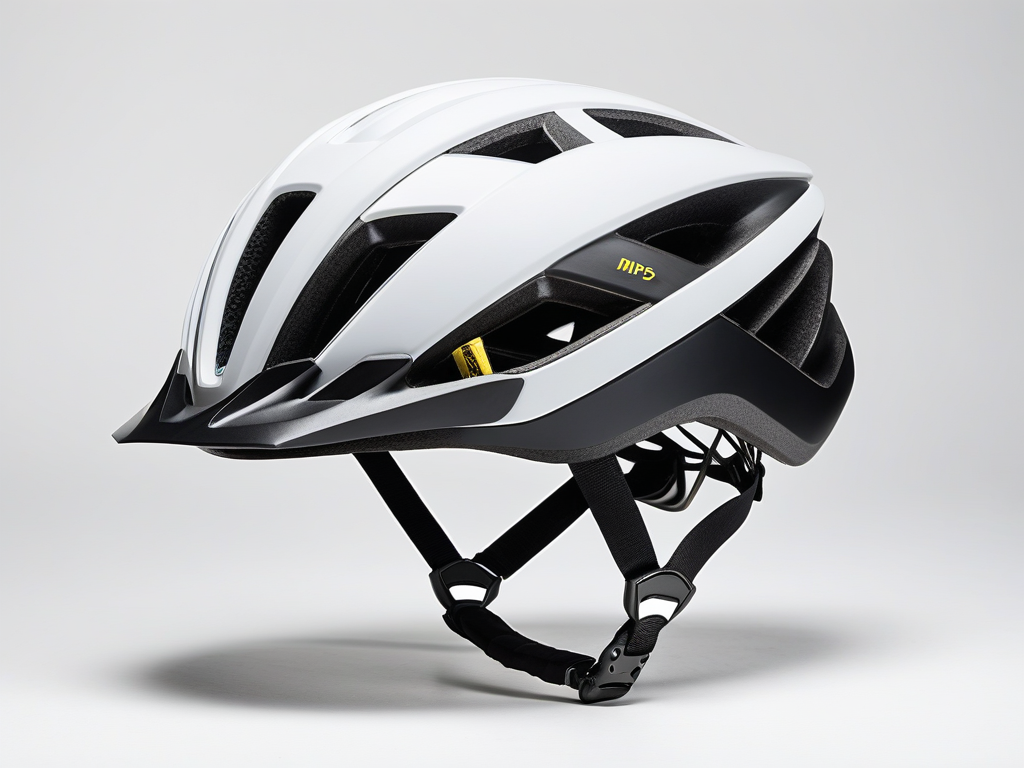
New Hampshire allows class 3 e-bikes, but not on every path. The rider must be at least 16, riders and passengers under 18 need a qualifying bicycle helmet, and the bike needs a speedometer. Path access is narrower unless the local authority says yes.
This is where New Hampshire's moped lane matters. If it really stays within the moped definition, a standard operator license can cover it, and the vehicle belongs in the registered-moped lane rather than the e-bike lane. Confirm the current registration paperwork directly with DMV before relying on a seller summary.
Once the vehicle no longer fits the narrow moped definition, New Hampshire's motor-driven-cycle rules become more important. That can change the license answer and can pull the machine further away from bicycle-friendly treatment.
This page is for general informational purposes only and is not legal advice. New Hampshire statutes, DMV guidance, and local path or trail rules can change. Verify the current rules before riding on public roads, bicycle paths, or multi-use trails.


