The best bicycle for motorized bike conversion is usually a simple steel or strong aluminum hardtail with enough frame space, reliable rim or disc brakes, 26-inch or 700c wheels, and no fragile suspension or carbon parts. You are not looking for the fanciest bike. You are looking for a stable, serviceable frame that can safely handle extra vibration, speed, weight, and maintenance.
Quick answer: For most gas motorized bicycle kits, start with a sturdy steel hardtail mountain bike or cruiser with a large open triangle, standard wheel sizes, strong brakes, and room for the engine, tank, chain line, and controls. Avoid carbon frames, full-suspension bikes, lightweight race bikes, and anything with cracked welds, bent dropouts, weak brakes, or odd proprietary parts.
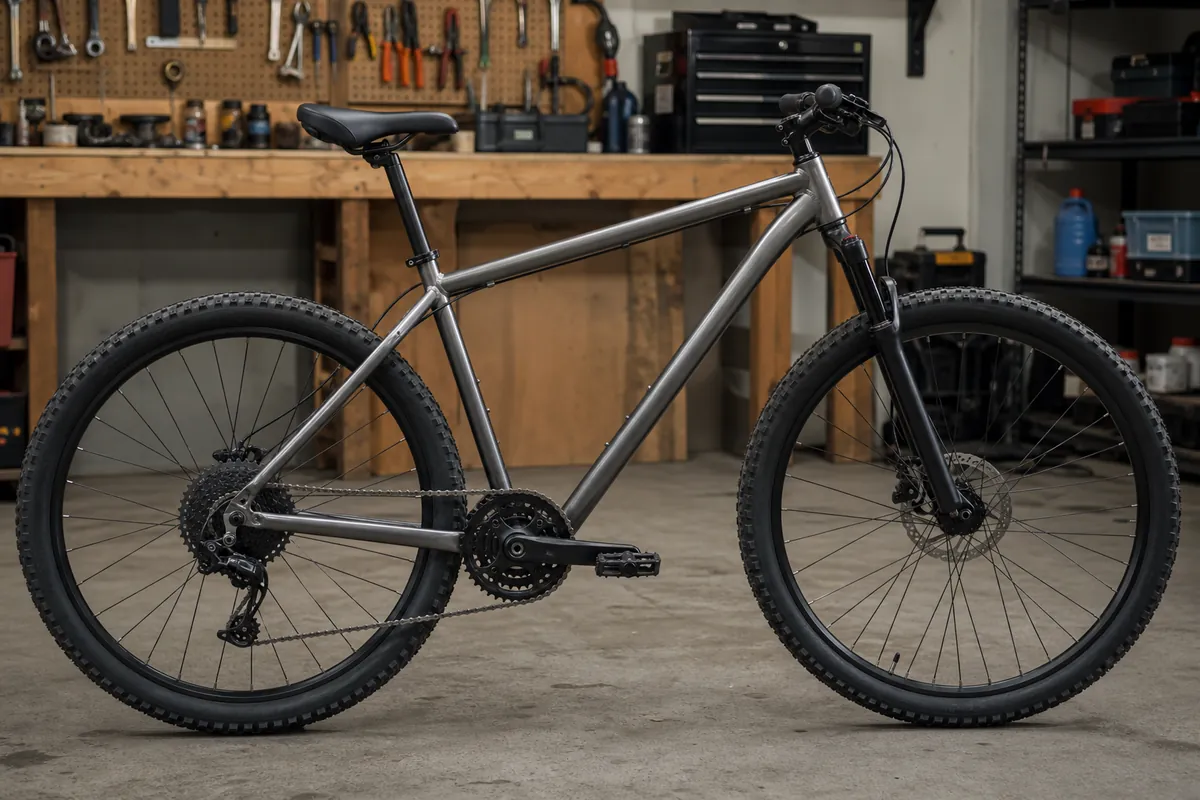
If you want the safest starting point, choose from these bike types first:
| Bike type | Best for | Main caution |
|---|---|---|
| Steel hardtail mountain bike | Most all-around gas kit conversions | Check frame triangle space and brake condition |
| Steel cruiser | Comfortable street builds and relaxed riding | Coaster brakes alone are not enough |
| Hybrid or commuter bike | Pavement-focused conversions | Make sure the frame is not too light or cramped |
| Older rigid mountain bike | Budget builds with standard parts | Avoid worn-out wheels, bearings, and brakes |
A hardtail mountain bike is the easy recommendation because it usually has stronger wheels, tire clearance, familiar parts, and enough frame space for a common motorized bicycle kit. A steel cruiser can work well too, especially for slower neighborhood riding, but only if it has real hand brakes and enough room for the kit layout.
The frame matters more than the badge on the head tube. A clean used bike with a plain steel frame, true wheels, and upgraded brakes can be a better donor than a newer bike with awkward tubing, weak components, or a frame shape that fights the kit at every step.
A motorized bicycle kit adds vibration, torque, heat, fuel weight, chain tension, and higher sustained speeds than the bike may have seen as a pedal-only machine. That is why the donor bike should be judged less like a normal bicycle purchase and more like a small vehicle platform.
Steel is the friendliest material for most builders. It is durable, forgiving, and easier to inspect visually than many lightweight frame materials. Aluminum can work when the frame is strong and in good condition, but thin, performance-oriented aluminum frames are not ideal for beginner conversions.
Avoid carbon fiber entirely for this kind of project. It is not built for clamped engine mounts, kit vibration, or improvised load paths. Also skip frames with dents, cracks, rust through the tubes, repaired welds, or visibly bent rear dropouts. A cheap donor bike stops being cheap when the frame is the weak point.
Most common gas kits need room inside the main triangle for the engine. That means the top tube, down tube, and seat tube area should be open and simple. Sloping frames, step-through frames, compact modern mountain bike geometry, and full-suspension layouts can make installation harder or impossible without extra fabrication.
Before buying a donor bike, compare its frame shape against the kit’s published fit requirements. If the engine, carburetor, exhaust, fuel line, or chain path looks like it will be forced into place, choose a different bicycle. A clean fit is worth more than a prettier frame.
Brakes are not an accessory on a motorized conversion. They are one of the first things to upgrade or verify. A bicycle that was acceptable at casual pedal speed may feel underbuilt once a kit helps it cruise faster and carry more weight.
Disc brakes are helpful when the frame and fork support them, but good rim brakes can still work for modest builds if they are properly adjusted and paired with quality pads. What you should not rely on is a coaster brake alone. For a conversion, you want predictable hand brakes, good cable condition, straight wheels, and enough stopping power for your riding environment.
Decision rule: If the donor bike does not already stop confidently as a pedal bike, it is not ready to become a motorized bike. Fix the brakes, wheels, tires, and bearings before thinking about speed.
A steel hardtail mountain bike is the best default bicycle for a motorized bike conversion because it balances strength, tire clearance, brake options, and kit-friendly geometry. Older 26-inch mountain bikes are especially common donor candidates because parts are easy to find and the frames often have simple round tubes.
Look for a rigid rear triangle, enough room inside the frame, decent wheels, and mounts that do not interfere with the kit. Front suspension is not automatically a dealbreaker, but avoid worn forks or bargain suspension that flexes badly. A rigid fork can be simpler and more stable for many street builds.
Cruisers can make comfortable motorized bikes because the riding position is relaxed and the frame shape is often spacious. They are a good fit for riders who want a mellow street machine rather than a technical trail-style build.
The big caution is braking. Many cruisers are sold with coaster brakes or low-end rim brakes. If the frame is otherwise solid, budget for a proper front brake and, ideally, a rear hand brake too. Wide handlebars and an upright seat feel nice, but they do not compensate for weak stopping power.
A hybrid can work if it has a sturdy frame, standard wheels, and enough clearance. These bikes are usually comfortable on pavement and may already have rack mounts, fenders, and a practical riding position.
Still, be careful with very lightweight hybrids. Some are designed for fitness riding, not conversion stress. If the tubing looks thin, the rear wheel is weak, or the frame triangle is crowded by bottle bosses, cable routing, or unusual tube shapes, keep looking.
Some bicycles create more problems than they solve. A low purchase price is not a win if the bike needs custom brackets, brake upgrades, wheel replacement, and constant troubleshooting.
This does not mean every unusual bike is impossible. It means a first-time builder should avoid turning the donor bike into the hard part of the project. Choose a normal, strong, serviceable bicycle and save your patience for the kit installation.
Practical callout: Check your local rules before you build. Motorized bicycle definitions can depend on engine size, speed, pedals, registration, licensing, helmet use, and where the bike is ridden. Start with our guide to whether you can drive a motorized bike on the road, then verify your state and city requirements.
Bring the kit dimensions, a tape measure, and a skeptical eye. The best bicycle for motorized bike conversion is the one that passes the boring checks before money changes hands.
Also think about your intended use. If you are building a low-cost commuter, reliability and parts availability matter more than style. If you are building for short local errands, a cruiser might feel better than a mountain bike. If you are comparing a kit build against buying electric, our e-bike buying tips can help you weigh a ready-made bike against a conversion project.
This guide is focused on motorized bike conversion, which often means gas bicycle kits, but some shoppers use the phrase while comparing gas and electric options. The donor-bike logic overlaps in a few places: both benefit from strong brakes, solid wheels, good fit, and a frame that can handle extra weight.
The differences matter. A gas kit usually needs engine clearance, fuel tank placement, exhaust routing, and a separate drive chain. An electric conversion may care more about battery placement, motor type, controller mounting, and wiring. If you are still deciding between formats, read our explainer on electric bike motors so the tradeoff is clearer.
For gas conversions, vibration and mounting points are the big concerns. For electric conversions, battery weight and electrical layout are usually more important. Either way, the donor bike should be mechanically sound before power is added. Power does not fix a tired bicycle; it exposes one.
A bicycle that accepts a kit mechanically may still create legal problems depending on where you ride. Some places treat motorized bicycles differently from e-bikes, mopeds, scooters, or motorcycles. Others care about maximum assisted speed, engine displacement, wattage, pedals, or whether the vehicle is registered.
Before you spend money, check whether your build may require a license, registration, insurance, helmet, lights, mirrors, or restricted road use. Our guide to riding a motorized bicycle without a license is a useful starting point, but local law is the final authority.
Once you have a compatible donor bike in mind, shop for the conversion kit around the bike’s actual frame space, wheel size, brake setup, and your local rules. Do not buy the largest or cheapest kit just because it looks exciting. Match the kit to the frame, your mechanical skill level, and the kind of riding you will actually do.
Use the product listings to compare engine size, mounting hardware, included controls, sprocket setup, fuel tank placement, customer photos, and return policy. The most useful listing is not always the one with the flashiest headline; it is the one that gives you enough information to avoid a bad fit.
The best bicycle for motorized bike conversion is not the lightest, newest, or most complicated bike you can find. It is a sturdy, straightforward donor with enough frame space, strong brakes, serviceable wheels, and parts you can inspect and maintain.
For most builders, that means a steel hardtail mountain bike first, a well-equipped cruiser second, and a strong hybrid if the frame geometry works. Start with the bike’s structure and stopping power, then choose the kit. That order gives you a better chance of ending up with a motorized bike that feels intentional instead of patched together.
* We may earn a commission when you buy through our links.