Do eBikes need a license? In many places, standard low-speed eBikes do not need a driver’s license, registration, or motorcycle plate when they fit the local eBike class rules. The details still matter, because laws can change by state, city, trail system, motor power, top assisted speed, throttle use, and where you ride.
Quick answer: Most ordinary Class 1, Class 2, and Class 3 eBikes are treated more like bicycles than motorcycles in many U.S. states, so a license is often not required. However, faster, more powerful, modified, or non-class-compliant electric bikes may fall under moped, motor-driven cycle, or motorcycle rules. Always check your state and local rules before riding.
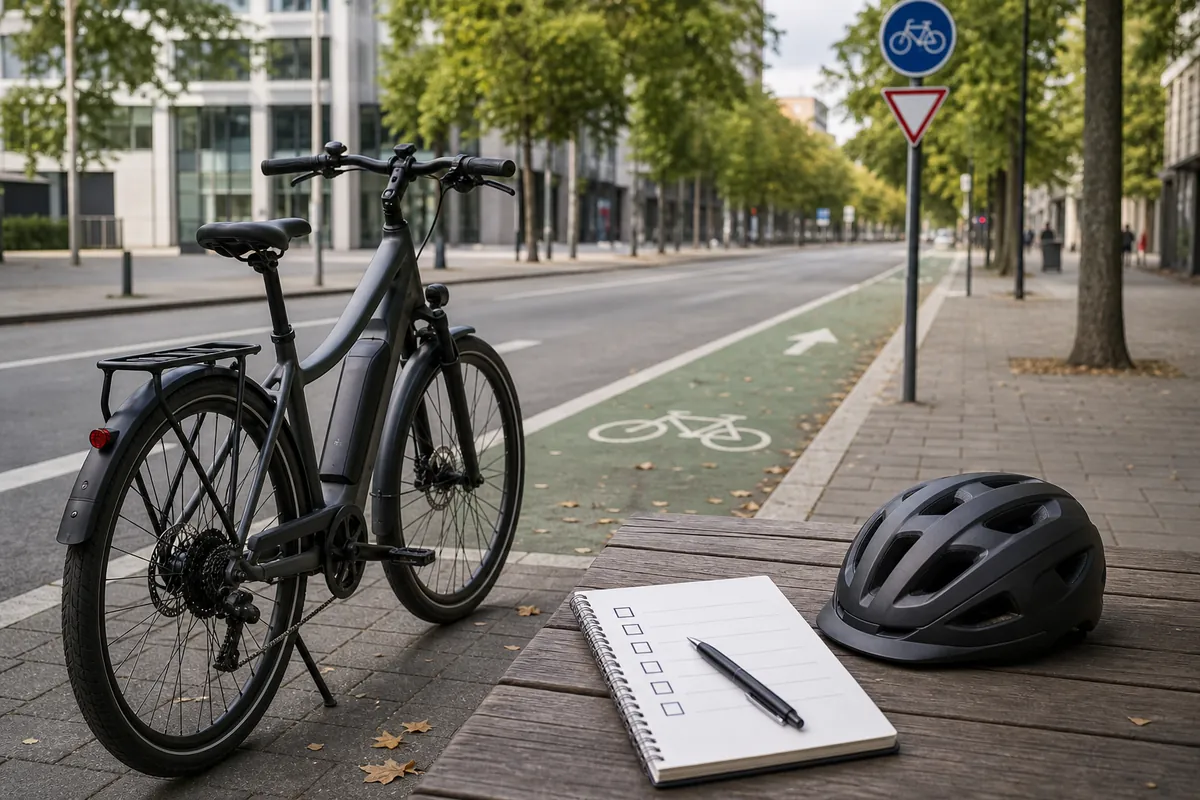
The short answer is usually “no,” but not always. eBike licensing depends on how the bike is classified and where you plan to ride it.
Many standard eBikes do not require a license when they fit a state’s electric bicycle definition. In simple terms, that usually means the bike has working pedals, an electric motor within the allowed power limit, and assisted speed that stays within the legal class rules.
The challenge is that “eBike” is not one universal legal bucket everywhere. Some states use a three-class system. Others have older definitions or special rules for throttles, trails, age limits, helmets, and road access. If you want a broader legal comparison, our guide on whether you can ride a motorized bicycle without a license explains how license rules can change once a vehicle stops being treated like a bicycle.
In many states, eBikes are grouped into three common classes. These classes are important because they help separate normal electric bicycles from mopeds, scooters, and motorcycles.
| eBike type | Common description | License risk |
|---|---|---|
| Class 1 | Pedal assist only, commonly assisted up to 20 mph | Usually low when it meets state eBike rules |
| Class 2 | Throttle-assisted, commonly up to 20 mph | Often allowed, but throttle rules vary by location |
| Class 3 | Pedal assist commonly up to 28 mph | May face more age, helmet, path, or access limits |
| Modified or high-speed eBike | Power, speed, or throttle behavior outside normal eBike limits | Higher chance of being treated like a moped or motorcycle |
These class labels are useful, but they are not a substitute for local law. A bike sold as “Class 3” still needs to match your state’s definition. A bike that can be unlocked, modified, or ridden above legal assist limits may create problems if it no longer fits the class shown on the label.
An eBike is more likely to need a license, registration, or other motor-vehicle treatment when it is too fast, too powerful, lacks functional pedals, or behaves more like a moped than a bicycle. Some throttle-heavy bikes can also create confusion if they are marketed loosely.
The label on the box is not the whole law. What matters is how the bike is built, how fast it assists, how the throttle works, and how your state defines electric bicycles.
If the motor keeps helping above the legal assisted-speed limit, the bike may no longer be treated as a standard eBike. The same can be true if the motor power exceeds what your state allows for electric bicycles.
Power ratings can be confusing because brands may list nominal power, peak power, controller output, or marketing-friendly numbers. If you are trying to understand the hardware side, our guide to electric bike motors explained can help you read motor claims more carefully.
Throttle rules vary. Some places allow throttle-assisted Class 2 eBikes on roads and bike lanes. Others restrict throttle bikes from certain trails, parks, paths, or facilities. Even when no license is required, access rules may still limit where you can ride.
This is why it helps to separate two questions: “Do I need a license?” and “Where can I legally ride this eBike?” The answers may not be the same.
Practical check: before buying or modifying an eBike, confirm its class, assisted top speed, motor rating, throttle behavior, helmet rules, age limits, and where that class is allowed locally.
Even if your eBike does not require a license, local access rules still matter. A city, county, park agency, campus, or trail manager may limit certain eBike classes. Some paths allow Class 1 only. Others allow Class 1 and Class 2 but restrict Class 3. Some posted rules may ban motorized vehicles while making exceptions for certain eBikes.
Road rules can also vary by state. If you plan to use your eBike for transportation, it is worth checking how your state treats electric bicycles on streets, shoulders, bike lanes, and multi-use paths. Our state law library, starting with examples like California motorized bicycle laws, can help you compare how different vehicle categories are handled.
For standard eBikes that fit bicycle-style class rules, insurance and registration are often not required. But that can change when a vehicle falls outside eBike limits and becomes a moped, scooter, motor-driven cycle, or motorcycle under state law.
Insurance can still be worth considering even when it is not required. Theft coverage, liability protection, or homeowner and renter policy details may matter if you own an expensive eBike. That is a separate decision from licensing, but it belongs in the same planning conversation.
A license may not be required, but helmet and age rules can still apply. Class 3 eBikes often have stricter helmet or minimum-age rules than lower-speed classes. Some states or local areas may also require helmets for younger riders, regardless of eBike class.
For everyday safety and compliance planning, see our e-bike helmet guide. A helmet rule is not the same as a license rule, but both can affect whether your setup is legal for your ride.
Many legal problems start when a rider modifies a bike to go faster or operate outside its intended class. Speed unlocks, higher-output controllers, motor swaps, and throttle changes can move the bike out of normal eBike territory.
That does not automatically mean every modification is illegal everywhere. It does mean the burden shifts to you to understand the rules. If a bike no longer fits the local eBike definition, it may need equipment, registration, insurance, or licensing that a normal eBike does not.
Start with your state transportation or motor vehicle agency. Then check city, county, park, trail, and campus rules for the places you actually ride. If you commute, include every part of the route: roads, bike lanes, shared paths, bridges, parks, and private property.
Look for these details:
So, do eBikes need a license? Standard, class-compliant eBikes often do not. But licensing is only one part of the legal picture. Speed, power, throttle behavior, rider age, helmet rules, local access rules, and modifications can all change what is allowed.
The safest approach is simple: know your bike’s class, check your state and local rules, and avoid assuming every electric bike is treated the same. A legal eBike is easier to enjoy when you know where it fits before you ride.