Are eBikes worth the money? For many riders, yes—but only when the bike replaces real car trips, makes commuting easier, or gets used often enough to justify the upfront cost. An eBike is usually not worth it as a rarely used toy, but it can be excellent value when it becomes practical transportation.
Quick answer: eBikes are worth the money if you ride often, replace some car miles, avoid parking or fuel costs, or need help with hills, distance, cargo, or fitness barriers. They are less worth it if you only ride a few times per year, have no safe place to store one, or buy a cheap model that needs constant repairs.
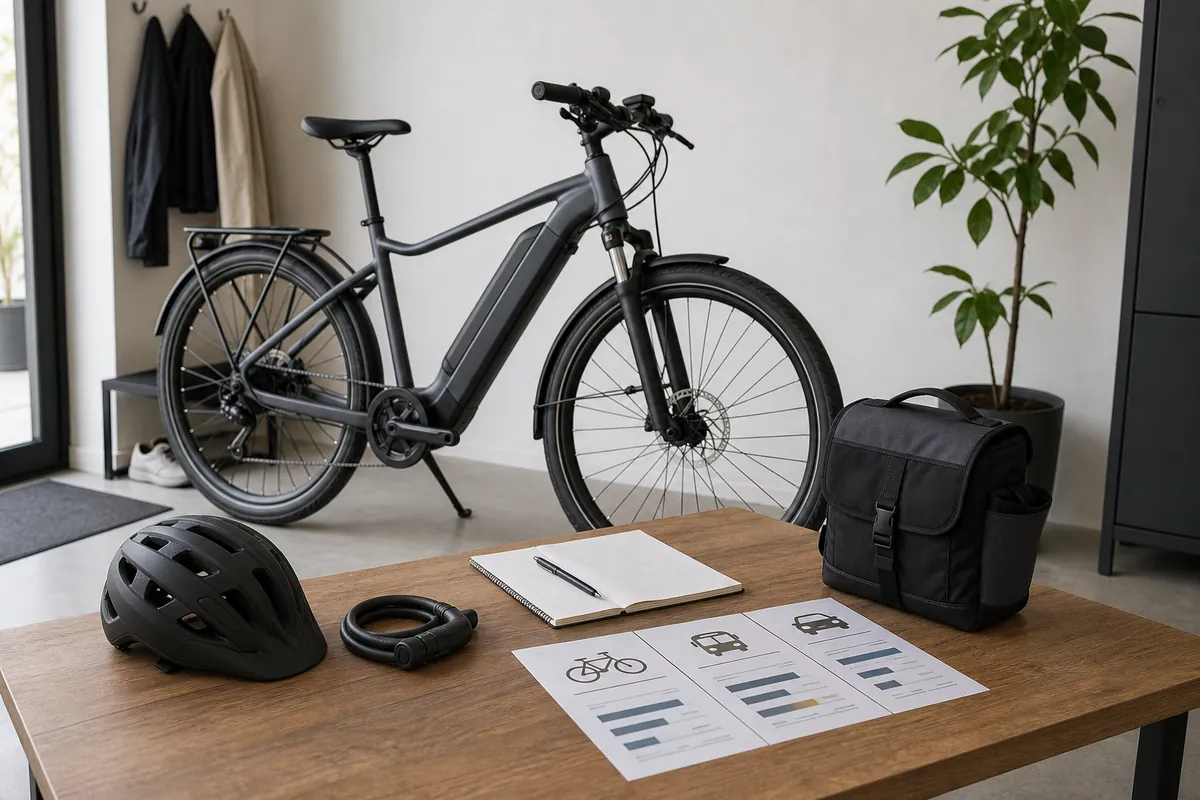
The real question is not “Is an eBike expensive?” It is whether the bike solves enough transportation, fitness, or lifestyle problems to earn its place in your budget.
eBikes can be worth the money when they get used like a tool, not just a weekend novelty. If an eBike helps you commute, run errands, ride farther, climb hills, or avoid short car trips, the value can add up quickly.
The payoff is strongest when the bike fits your real life. A rider with a safe commute, secure storage, and regular errands nearby may get excellent value. Someone with no storage, unsafe roads, or little interest in riding may not. If you are still comparing bike types, start with our guide to the best electric bikes to understand the broader market.
The sticker price is only part of the decision. You also need to think about accessories, maintenance, battery care, security, and possible repairs. A realistic budget keeps the purchase from feeling like a surprise after the bike arrives.
| Cost area | What to expect | Why it matters |
|---|---|---|
| Bike purchase | Often the biggest upfront cost | Better brakes, battery quality, fit, and support can be worth paying for |
| Battery | Long-term replacement may be expensive | The battery is one of the most important ownership costs |
| Maintenance | Tires, brake pads, chains, tuneups, and small parts | eBikes are heavier and can wear some parts faster |
| Accessories | Helmet, lock, lights, rack, bags, fenders, tools | These often make the bike useful for real transportation |
| Storage and security | Indoor space, lock strategy, possible insurance | Theft risk can change the true cost of ownership |
An eBike becomes easier to justify when it replaces other costs. Short car trips are the obvious example. Fuel, parking, maintenance, rideshare trips, and transit fares can all make an eBike feel more practical over time.
That does not mean every rider will break even quickly. Your savings depend on local costs, how often you ride, how far you go, and whether you already own a car. Still, replacing even a few weekly trips can make the purchase feel less like a splurge and more like transportation.
Commuting gives an eBike repeated use, which is exactly what an expensive purchase needs. A bike used five days a week has a much stronger value case than one used once a month.
For daily riding, prioritize comfort, braking, lights, fenders, range, and secure storage. Our e-bike buying tips guide can help you compare the practical details before you spend.
Small errands are where many riders start to see the point. A basket, rack, pannier, or cargo setup can turn quick car trips into simple bike rides. That saves money, but it also saves the hassle of parking and traffic.
If you plan to carry groceries, work gear, or kid supplies, check the bike’s weight limits and rack compatibility. A useful eBike does not need to replace every car trip to earn its keep; it just needs to replace enough of the annoying ones.
Practical test: write down the trips you would realistically replace in one normal week. If the list is empty, wait. If the list includes commuting, groceries, school runs, gym trips, or nearby errands, an eBike may have a real value case.
An eBike is probably not worth the money if it will sit unused. The same is true if your riding routes feel unsafe, your apartment has no charging or storage option, or you need to carry the bike up stairs every day and the weight will stop you from riding.
Very cheap eBikes can also be risky. Some may be fine for light use, but low prices can come with weaker brakes, lower-quality batteries, poor support, or parts that are hard to replace. A cheap eBike is only a bargain if it stays safe, useful, and repairable.
Battery care affects long-term value. Heat, cold, moisture, rough storage, and poor charging habits can shorten battery life. A removable battery can help if you need to charge indoors or store the bike away from extreme temperatures.
Before buying, check whether replacement batteries are available and what they cost. It is also smart to understand basic care. Our e-bike battery maintenance guide covers habits that can help protect one of the most expensive parts of the bike.
Maintenance matters too. Brake pads, tires, chains, and tuneups are normal ownership costs. Heavier riders, steep hills, high speeds, cargo loads, and wet conditions can increase wear. That does not make an eBike a bad value; it just means the budget should be honest.
You do not need a perfect spreadsheet. Start with a simple estimate. Add the bike, lock, helmet, accessories, and first-year maintenance. Then compare that total with the car, transit, parking, rideshare, or convenience costs you expect to avoid.
Also count non-cash value. If the bike helps you ride more, get outside, avoid traffic stress, or keep a consistent commute, that matters. Not every benefit fits neatly into a dollar column.
Use this quick filter before buying:
If most answers are yes, the value case is strong. If several are no, the money may be better saved until your setup changes.
You can save money by buying the right bike the first time. That sounds obvious, but many riders overspend on features they do not need or underspend on parts that matter. Brakes, battery quality, fit, and support deserve more attention than flashy extras.
Used bikes can be tempting, but battery age, charger condition, frame damage, and service history matter. If you go that route, use a careful inspection process like the one in our used e-bike buying checklist.
If you are ready to compare prices, use search results as a starting point, not as proof that every listing is a good deal. Check battery specs, brake type, warranty terms, return policy, weight, frame size, and whether replacement parts are realistic.
eBikes are worth the money when they get used often and solve a real problem. They can reduce short car trips, make commuting easier, expand your riding range, and turn errands into simple rides.
They are not automatically worth it for everyone. The smartest buy is the one that fits your route, storage, budget, and riding habits. If the bike will become part of your weekly life, the value can be very real.
* We may earn a commission when you buy through our links.