Motorized Bicycle Laws in Mississippi are easiest to follow when you separate a motor scooter or motor-driven cycle from a bicycle-style machine and then check whether the vehicle is even eligible for Mississippi road use. The official Mississippi sources reviewed for this draft are clearest on three points: a qualifying motor scooter needs a motorcycle endorsement, riders on that kind of machine need a helmet, and a motorized bicycle that lacks a compliant 17-digit VIN and federal safety certification cannot be titled, registered, or operated on public roads.
Note: This Mississippi guide is based on current Mississippi DPS Driver Service Bureau pages, the Mississippi motorcycle operator manual, and Mississippi Department of Revenue motor-vehicle guidance. It is informational only and not legal advice.
Last reviewed / source-checked: 2026-03-15
Local rule note: The official state sources used here are clearer on motor scooters and road-eligibility standards than on a dedicated e-bike framework, so bicycle-style edge cases should still be verified before riding on public roads or local facilities.
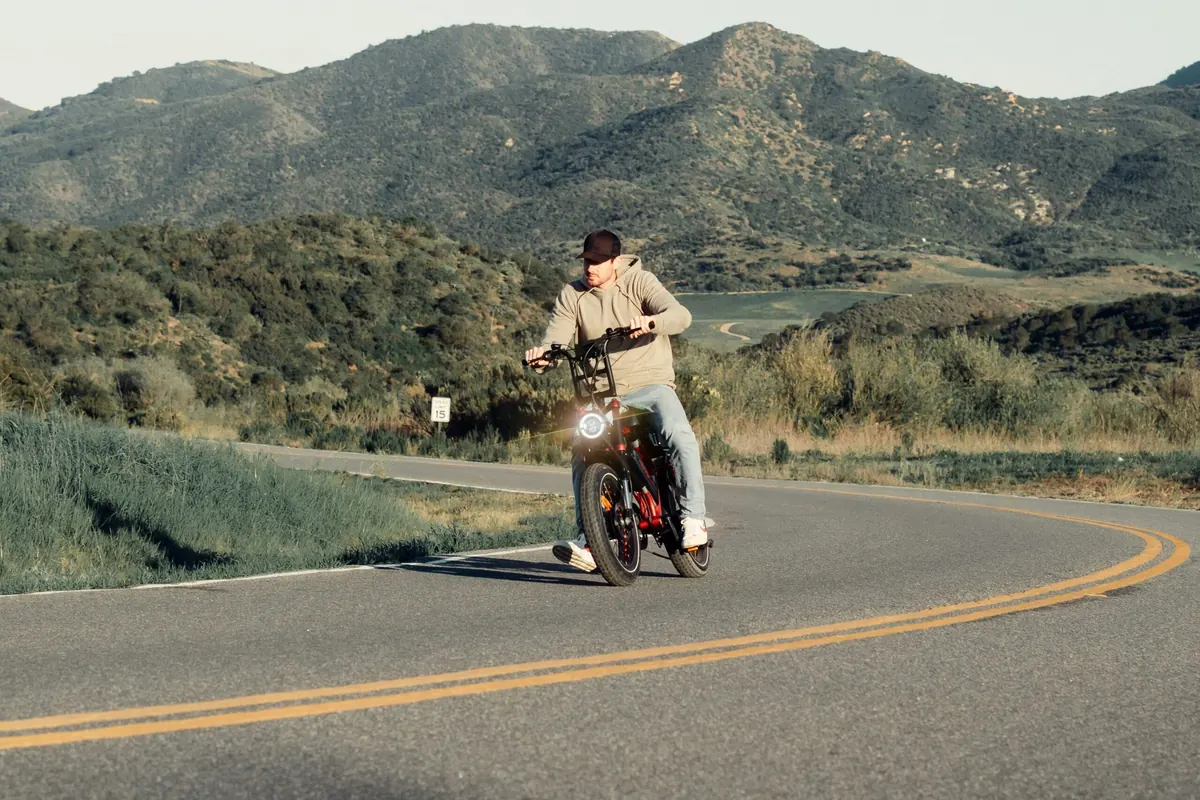
The biggest Mississippi difference is that the official state pages used for this draft focus less on a modern e-bike classification system and more on whether the machine is a motor scooter / motor-driven cycle and whether it meets road-use standards.
That is the practical core of Motorized Bicycle Laws in Mississippi: before you worry about everyday riding details, make sure your machine fits a real Mississippi vehicle category and is eligible for road use in the first place.
Mississippi’s official DPS guidance is straightforward here: once your machine falls into the motorcycle or motor-scooter lane, the state expects driver licensing and helmet compliance.
If your machine does not stay inside those limits, it becomes harder to treat it as Mississippi’s simple motor-scooter case.
Mississippi DPS says that operating a motorcycle or motor scooter requires a valid Mississippi driver’s license with a motorcycle endorsement. A separate DPS motorcycle-license page also says that if you want to operate a motor-driven cycle, you must obtain that endorsement by passing the required written and skills testing unless an official waiver applies.
Mississippi DPS says riders on a motorcycle, motor scooter, or motor-driven cycle on the roads or highways of Mississippi must wear a crash helmet that meets the state’s approved standard. That makes Mississippi a poor state for casual no-helmet assumptions on scooter-style machines.
Mississippi says the minimum age for a motorcycle learner’s permit is 15, and applicants must be at least 16 for a Mississippi driver’s license. That does not answer every family or youth-rider scenario, but it clearly shows Mississippi treats this lane as a licensed-driver issue rather than a toy or sidewalk device issue.
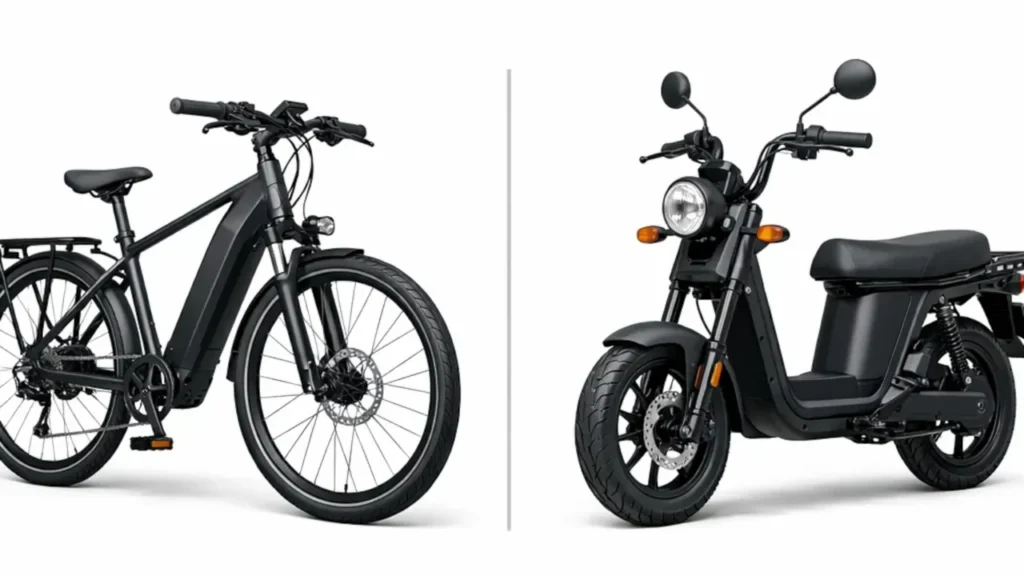
Mississippi DOR’s FAQ provides one of the most useful state-level clarifications in this entire topic: not every so-called motorized bicycle is even eligible to be titled or registered.
According to Mississippi DOR, a motorized bicycle manufactured in 1980 or later must have a 17-digit VIN that meets National Highway Traffic Safety Administration standards. It also must have a decal or plate stating compliance with federal safety standards.
This is one of the strongest state-specific differentiators in the official material. Mississippi DOR says that if the motorized bicycle does not meet those standards, it is considered a toy vehicle. In that case, it cannot be titled, cannot be registered, and cannot be operated on public roads.
Mississippi DOR’s general registration guidance says newly purchased vehicles usually must be registered within 30 business days, and that buyers should expect title or manufacturer’s certificate of origin paperwork where applicable. This draft uses that page as supporting context only, but it reinforces the main point: if your machine does qualify as a real Mississippi vehicle, paperwork matters.
This is the area where careful drafting matters most. The official Mississippi sources used in this run were much clearer on motor scooters, motor-driven cycles, and titling / registration standards than on a modern class 1 / 2 / 3 e-bike framework.
You may see older web summaries say that Mississippi automatically treats low-power e-bikes exactly like bicycles statewide. The official state sources reviewed for this draft did not clearly surface that full answer. Because of that, this draft does not rely on a broad statewide bicycle-treatment claim for every electric bike configuration.
If your ride clearly falls into Mississippi’s motor-scooter or motor-driven-cycle lane, use those rules. If it lacks the road-use qualifications DOR requires, do not assume it is street legal just because it is small or marketed online as an e-bike or scooter.
A bicycle conversion, mini-bike style frame, or imported scooter with weak paperwork may be the exact kind of machine that creates Mississippi trouble. If the vehicle cannot satisfy Mississippi’s VIN and federal-safety requirements, the state’s own guidance says it cannot be titled, registered, or used on public roads.
Start with Mississippi’s motor-scooter definition and assume the motorcycle-endorsement and helmet rules matter. If the machine is road legal and properly documented, you should treat it like a licensed-driver issue, not a casual bicycle issue.
This is where Mississippi’s DOR guidance becomes decisive. If the machine does not have a compliant 17-digit VIN and federal safety-compliance plate or decal, Mississippi says it cannot be titled, registered, or operated on public roads.
Mississippi DPS says an applicant with a valid out-of-state driver’s license carrying a motorcycle endorsement may receive a Mississippi driver’s license with motorcycle endorsement without further testing. That is useful for movers, but the machine still has to fit Mississippi’s road-use rules.
Mississippi’s official age guidance matters. The state says the minimum age for a motorcycle learner’s permit is 15, and the minimum age for a Mississippi driver’s license is 16. That means scooter-style road use is not something to assume is available to any younger rider just because the engine is small.
Do not rely on the seller’s label alone. In Mississippi, the more important questions are whether the machine fits the motor-scooter / motor-driven-cycle lane and whether it can satisfy DOR’s VIN and federal safety requirements for public-road use.
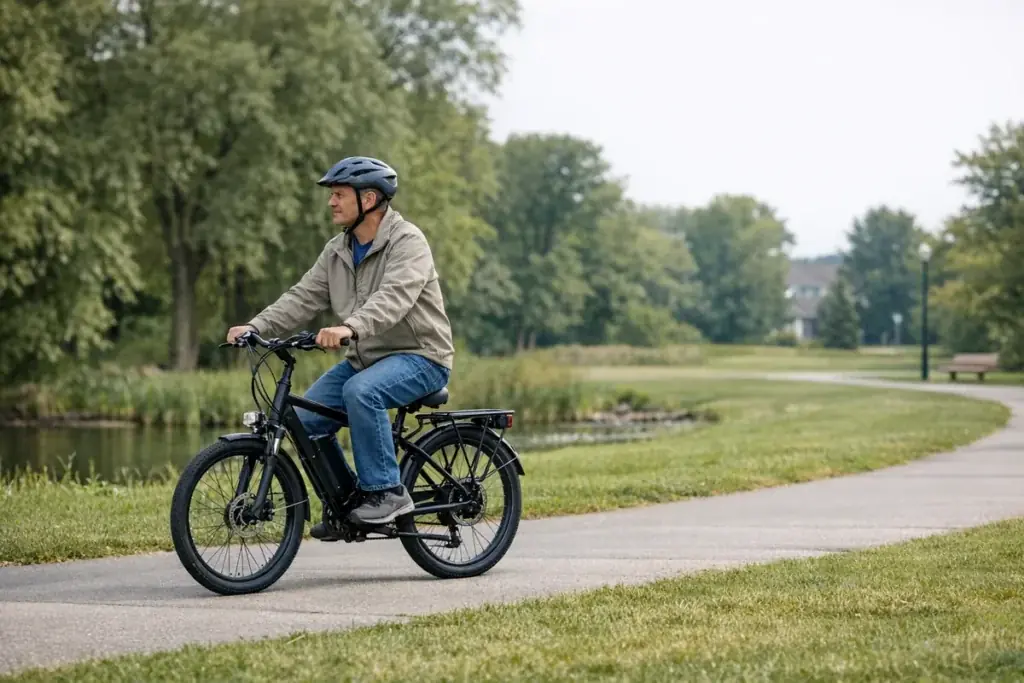
The official Mississippi sources used here answer the licensing and road-eligibility questions better than they answer every path, sidewalk, or local-access question. That means cautious riders should verify local access rules when a machine falls outside the obvious motorcycle or motor-scooter lane, and should be especially careful with mixed-use facilities, low-documentation imports, and homemade builds.
This page is for general informational purposes only and is not legal advice. Mississippi statutes, agency guidance, registration requirements, and local rules can change. Verify the current rules before riding on public roads or other public facilities.