Motorized Bicycle Laws in Kentucky are easiest to follow when you separate a moped from a larger motorcycle or motor scooter and treat bicycle-style e-bikes more cautiously. Kentucky has a clear statutory moped definition, a statewide bicycle-safety regulation, and a motorcycle licensing and helmet statute, but it does not currently use a modern three-class e-bike framework in the statewide sources cited below.
Note: This Kentucky guide is based on current Kentucky Revised Statutes, Kentucky administrative regulations, and Kentucky Transportation Cabinet driver guidance. It is informational only and not legal advice.
Last reviewed / source-checked: 2026-03-15
Local rule note: Kentucky's statewide bicycle regulation preempts local safety-equipment rules for compliant bicycles and riders, but local governments can still regulate method of operation and where a bicycle may be ridden in some contexts.
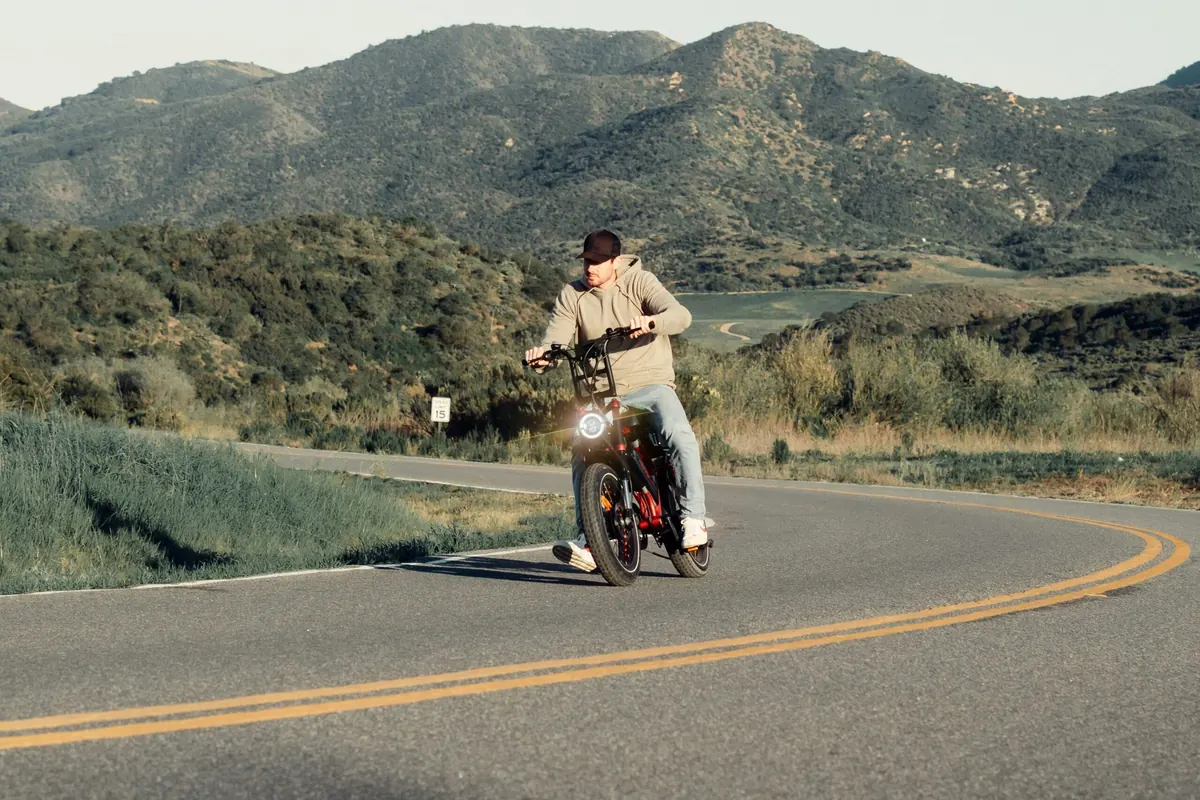
The most important Kentucky starting point is that the statutes reviewed for this draft give a clear moped definition, not a modern class 1 / 2 / 3 e-bike structure.
That is the core of Motorized Bicycle Laws in Kentucky: if your machine clearly falls inside Kentucky's moped definition, the moped rules apply. If it exceeds those limits, it can move into motorcycle or motor-scooter territory. If it functions more like a bicycle with supplemental assist, Kentucky's bicycle regulation becomes much more relevant.
Kentucky's moped rules are more specific than many older summary pages suggest.
If your build goes over those limits, drops outside the moped definition, or behaves more like a motorcycle or motor scooter, do not assume Kentucky will still treat it as a simple moped.
KRS 186.410 says that, except for listed exemptions, every person shall secure an operator's license before operating a motor vehicle, motorcycle, or moped on a highway. That makes a no-license claim unsafe for Kentucky mopeds.
KRS 186.010 says Kentucky's motor-vehicle definition does not include a moped. Because of that statutory exclusion, and because the current official driver guidance available in this run was clearer on licensing than on moped paperwork, this draft avoids a hard statewide claim that every true moped must be titled and registered like a car or motorcycle.
KRS 189.285 requires protective headgear for certain motorcycle operators and passengers, including riders under 21, instruction-permit holders, and riders licensed for less than one year. But the same statute separately defines a moped and excludes it from the motorcycle definition. That is why careful Kentucky summaries should not automatically copy motorcycle helmet rules onto every moped rider.
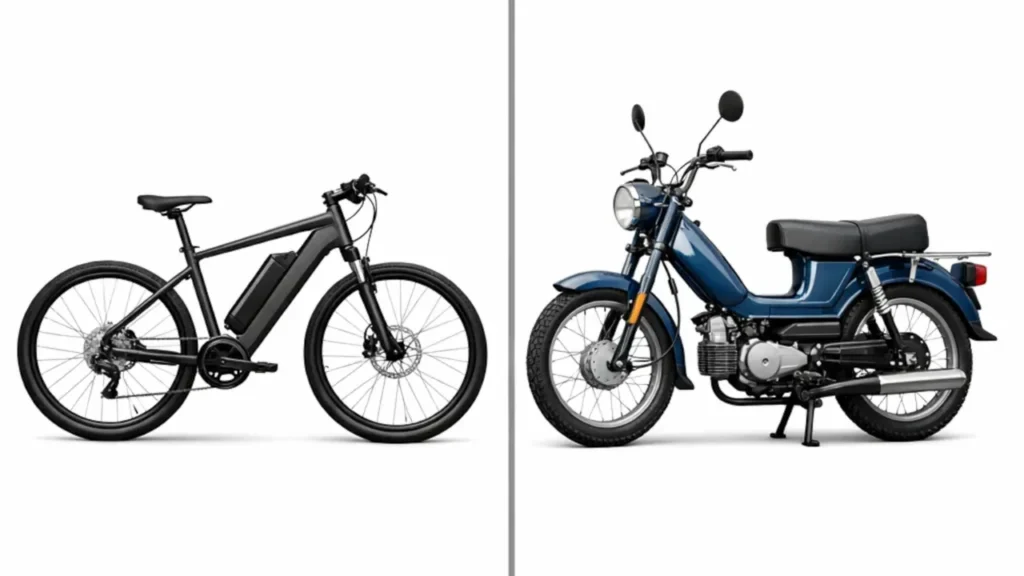
Kentucky does not appear to have adopted a statewide three-class e-bike statute in the sources reviewed here. That means riders should be careful about importing rules from other states.
601 KAR 14:020 sets statewide bicycle safety standards. It covers front lights, rear lights or reflectors, brakes, carrying passengers, lane position, sidewalk and crosswalk riding, and even a red-light rule when a signal fails to detect the bicycle.
KRS 189.287 and 601 KAR 14:020 say that bicycles and riders that comply with the statewide bicycle regulation are exempt from municipal and local safety-equipment regulations, though not from local rules about method of operation.
The statewide bicycle regulation says a bicycle may be operated on a sidewalk or crosswalk unless prohibited by law or ordinance. A bicyclist on a sidewalk or crosswalk has the rights and duties of a pedestrian in the same circumstances, but must slow around pedestrians and yield appropriately.
Kentucky generally expects a bicycle in mixed traffic to keep right, but the regulation also lets the rider move left to avoid hazards, avoid a door zone, prepare for a left turn, avoid conflicts with right-turning vehicles, or take more lane space when the lane is too narrow to be safely shared.
If your e-bike still behaves like a bicycle and does not clearly fall into Kentucky's moped, motor scooter, or motorcycle categories, Kentucky's bicycle equipment and operation rules are the closest statewide fit this draft could verify. But because Kentucky lacks a dedicated three-class framework in the sources reviewed here, edge cases should be verified before assuming full bicycle treatment everywhere.
You may be in Kentucky's moped lane. That means the moped definition is the first thing to verify, and you should not assume the broader motorcycle rules or another state's e-bike rules automatically apply.
That claim conflicts with KRS 186.410, which requires an operator's license before operating a moped on a highway. Kentucky is not a good state for casual no-license assumptions.
Kentucky's statewide bicycle regulation is likely the most useful verified rule set for lights, brakes, lane position, sidewalks, and crosswalks. But because Kentucky does not appear to use a three-class e-bike framework in the sources reviewed here, verify local facility access before relying on out-of-state e-bike advice.
Kentucky's bicycle regulation allows sidewalk or crosswalk riding unless prohibited by law or ordinance, and it lets a bicyclist take more lateral space when a lane is too narrow to safely share or when needed to avoid hazards and door-zone conflicts.
Once it exceeds the moped definition, it may belong in Kentucky's motorcycle or motor-scooter lane instead. That can change your license, equipment, and roadway-use requirements quickly.
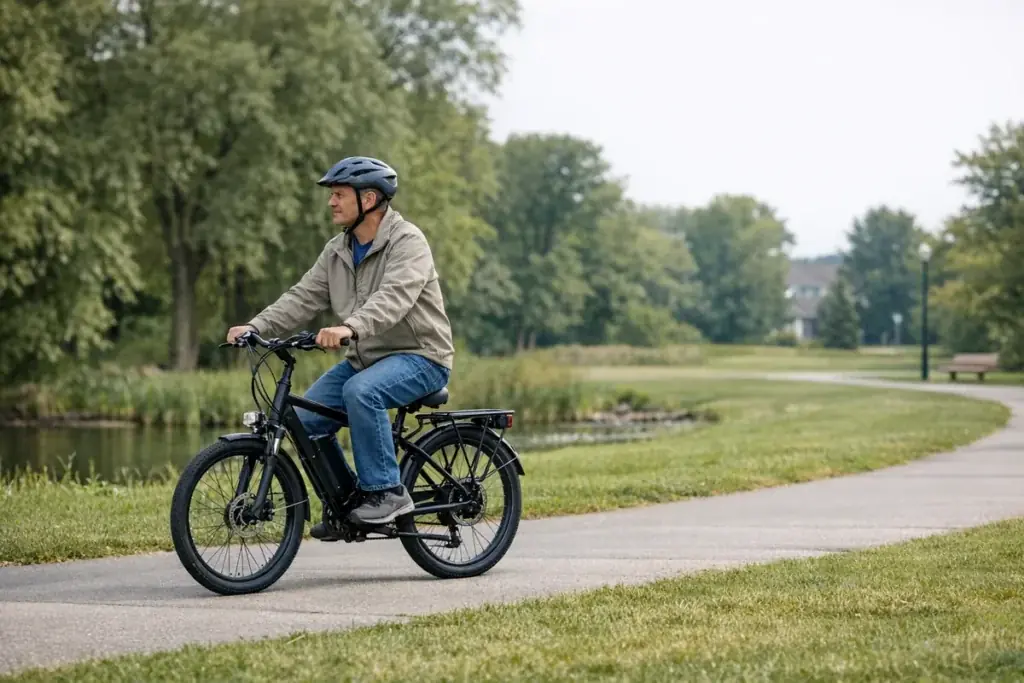
Kentucky's bicycle regulation is friendly in some important ways, but it is not a blank check. The statewide rule itself says local governments can still regulate method of operation, and sidewalk or facility access can still be limited by local law or ordinance. For mopeds, the safer approach is even stricter: verify the road type, speed environment, and local enforcement posture before assuming your route is a good fit for a 30 mph capped machine.
This page is for general informational purposes only and is not legal advice. Kentucky statutes, local ordinances, and agency guidance can change. Verify the current rules before riding on public roads, paths, or sidewalks.