Quick answer
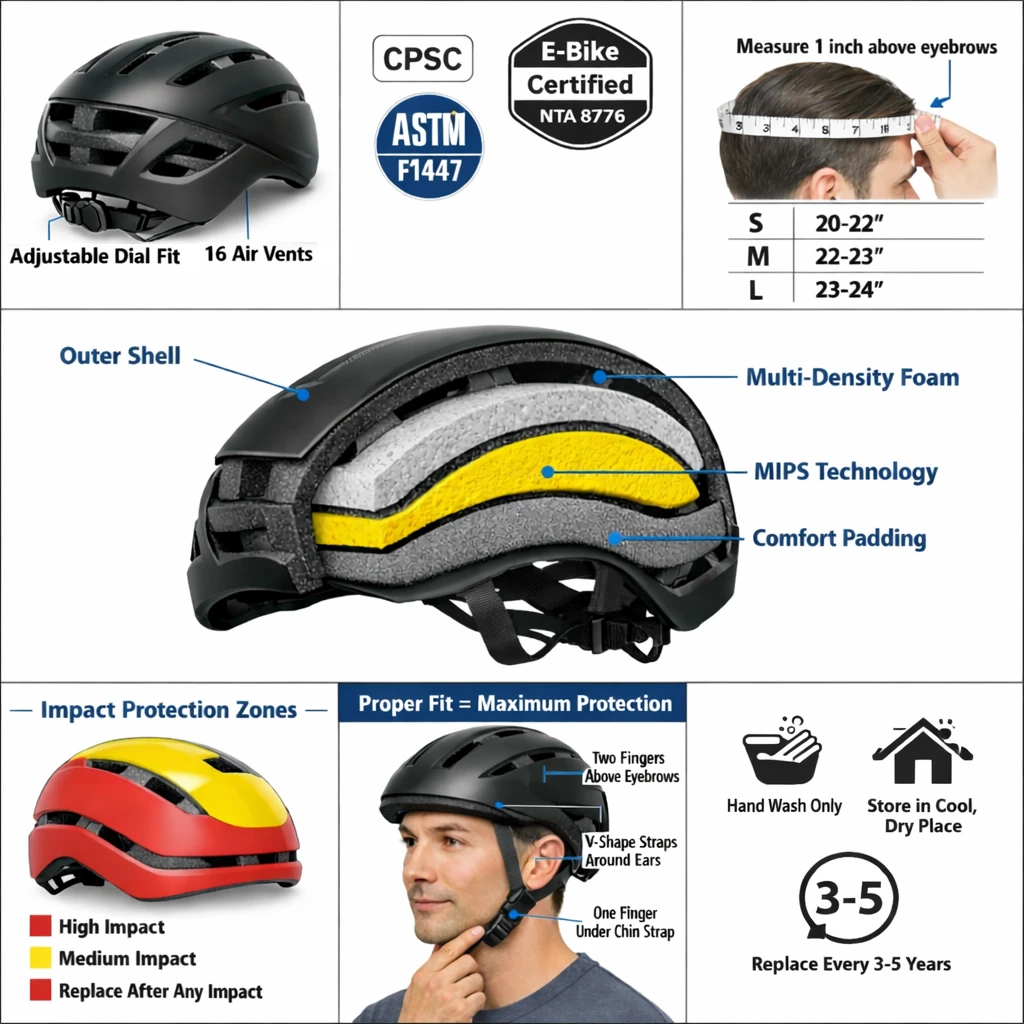
This e-bike helmet guide explains what faster riders should check before buying protection for an electric bike. Many street-legal Class 3 e-bikes assist up to 28 mph (see California's class definition), and falls at these speeds can cause serious head injuries. Whether you commute daily or ride weekends, wearing a properly certified e-bike helmet can help reduce injury risk; the CDC says bicycle helmets are effective in reducing head injuries, including traumatic brain injury, and fatalities. If you are still narrowing down your bike setup, our e-bike buying tips guide can help you match your riding style to the right gear.
Fast-rider tip
Electric bikes travel faster than many traditional bicycles, so crash severity rises with speed and proper fit matters even more.
What matters most:
Helmet laws vary by state. For example, California Vehicle Code § 21213 requires helmets for Class 3 e-bike riders and passengers. Even where not legally required, wearing one protects your most valuable asset—your brain.
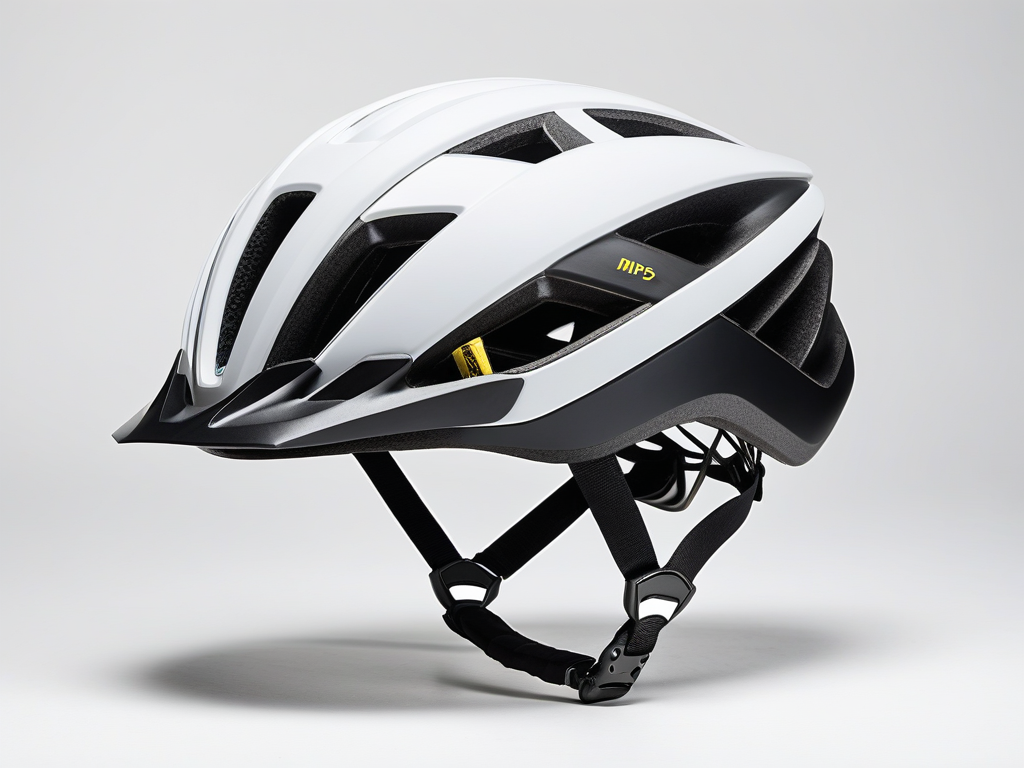
Not all helmets offer equal protection. Understanding certifications helps you choose appropriate safety for e-bike speeds.
The Consumer Product Safety Commission bicycle helmet standard sets baseline requirements for bicycle helmets sold in the United States. CPSC-certified helmets:
For e-bikes: CPSC certification is the minimum. E-bike riders should consider additional certifications given higher speeds.
The Dutch NTA 8776 standard is designed for speed pedelec riders. Helmets meeting this standard:
Best for: Class 3 e-bike riders and commuters who regularly hit higher speeds.
Multi-Directional Impact Protection System is designed to help manage rotational motion during some angled impacts:
Highly recommended for all e-bike riders given urban riding speeds and angled impact risks.
Traditional bicycle helmets work for Class 1 and 2 e-bikes (20 mph or less). Look for:
Best for: Casual riders, Class 1/2 e-bike users, warm climates
Built specifically for faster e-bikes:
Best for: Class 3 e-bike riders, high-speed commuters
Full-face protection for maximum safety:
Best for: Off-road e-bike riders, those prioritizing maximum protection
If you want named options instead of a generic checklist, these picks are a practical starting point because the manufacturers clearly publish the certification or feature details that matter for e-bike use. Use them as a shortlist, then confirm the current product page and fit before you buy.
Bern positions the Hudson for e-bike trips up to 28 mph and lists NTA 8776, MIPS, a Click-Mount LED light, and 13 vents. That mix makes it one of the cleaner choices for riders who want extra e-bike-specific certification without jumping to a bulkier full-face design.
Smith says the Dispatch is NTA-8776, CPSC, and CE EN 1078 certified and pairs zonal KOROYD with Mips. Smith also lists an integrated rechargeable rear LED light and a VaporFit dial adjustment system, so it is especially worth a look for daily commuting where visibility and quick fit adjustment matter.
For riders mixing higher-speed e-bike use with trail riding, Fox says the Dropframe Pro meets the NTA-8776 e-bike helmet certification standard, uses Mips, includes a BOA Fit System, and adds more open-face coverage around the ears, jaw, and back of the head. That makes it easier to justify when ventilation still matters but standard commuter helmets feel too light-duty.
How to use these picks
A helmet only protects if it fits correctly. Follow these steps:
Replace your helmet:
Your e-bike helmet is the most important piece of safety gear you own. Don't skimp. A quality helmet with proper certification and fit can literally save your life.
Class 3 e-bike riders should seriously consider NTA 8776 certified helmets. The extra protection matters at 28 mph. For Class 1 and 2 riders, any quality MIPS-equipped helmet from a reputable brand provides excellent protection.
Wear it every ride. No exceptions. Your brain is worth it.
* We may earn a commission when you buy through our links