Motorized Bicycle Laws in Rhode Island are easiest to understand when you split the state into three lanes: electric bicycles, motorized bicycles registered as mopeds, and the stricter motor scooter / motor-driven cycle / motorcycle lane. Rhode Island now uses class 1, class 2, and class 3 electric-bicycle terms, but it also keeps older vehicle definitions in the motor-vehicle code, so the legal answer depends on the machine’s power, top speed, pedals, and whether it still fits the electric-bicycle or moped-style limits.
Note: This Rhode Island guide is based on current Rhode Island General Laws and current Rhode Island DMV guidance linked below. It is informational only and not legal advice.
Last reviewed / source-checked: 2026-03-16
Rhode Island caution: Rhode Island’s newer electric-bicycle class rules do not erase the older moped, motor scooter, and motorcycle lanes. A 20 mph e-bike, a 28 mph class 3 e-bike, a pedal moped, and a scooter-shaped 49cc machine can land in different categories.

Rhode Island uses multiple definitions that work together instead of one catch-all label.
That split is the center of Motorized Bicycle Laws in Rhode Island. Two small powered bikes can look similar but live in different legal buckets.
Rhode Island’s current electric-bicycle chapter defines three classes:
That newer classification helps explain why a 20 mph commuter e-bike and a faster 28 mph pedal-assist bike do not always get the same answer for every riding location.
The Rhode Island DMV’s current motorcycles page says electric bicycles are not required to be registered in Rhode Island and that the DMV does not register these vehicles. The vehicle code also excludes electric motorized bicycles from the general definition of a motor vehicle in § 31-1-3(u), which helps explain why a compliant e-bike does not sit in the same registration bucket as a moped or motorcycle.
Under § 31-19-3, a person riding an electric motorized bicycle gets the rights and duties that apply to drivers under the motor-vehicle chapters, except where special bicycle rules change the answer. The same section says an electric motorized bicycle is not forbidden from traveling on the shoulder of a highway unless bicyclists are prohibited there.
That does not mean every path is automatically open. Rhode Island’s newer e-bike chapter says the Department of Environmental Management may regulate e-bike use on state properties, although class 1 electric bicycles must be allowed on state bicycle trails or paths under § 31-19.7-2. For class 2 and class 3 bikes, or for local paths and managed properties, riders should check posted rules before assuming access.
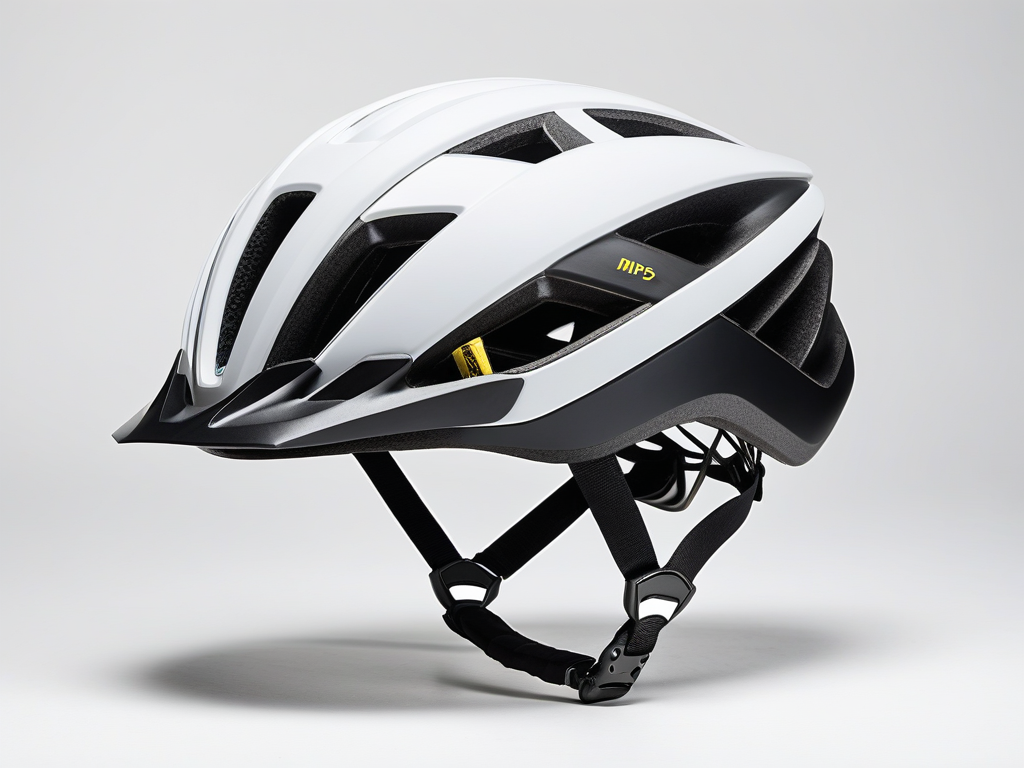
Rhode Island’s e-bike-specific helmet statute in § 31-19.7-3 requires any operator or passenger under age 21 to wear a properly secured CPSC-compliant helmet on public highways, bicycle trails or paths, shared-use paths, parks, recreational areas, school property, and other public rights-of-way.
The Rhode Island DMV’s current motorcycles page ties the statutory definition to the practical registration lane: qualifying motorized bicycles are classified and registered as mopeds. This is the lane for two-wheel vehicles that may be propelled by human power, helper power, or both, with a motor of not more than 4.9 horsepower, not more than 50cc, and a top speed of not more than 30 mph.
That makes Rhode Island different from states that fold every low-power machine into one general scooter bucket. In Rhode Island, the pedal-capable moped-style lane still matters.
§ 31-10.1-1 says Rhode Island’s special motorcycle-license chapter does not apply to motorized bicycles and motor scooters with motors of not more than 4.9 horsepower, not more than 50cc, and a maximum speed of not more than 30 mph. The DMV repeats that point by saying a motorcycle endorsement is not required for those qualifying classes.
That is a narrow exemption. It tells you when the motorcycle endorsement is not required. It does not mean every small machine is automatically treated like an e-bike.
Rhode Island’s special-license chapter says operators of motorcycles, motor scooters, and motor-driven cycles must use approved eye protection on streets and highways. Operators under 21 must wear a helmet, and new operators must wear a helmet for the first year after issuance of the first special license, regardless of age. Those rules appear in § 31-10.1-4.
If your machine no longer fits the smaller moped or scooter limits, Rhode Island can move you into this more regulated lane fast.
You are usually in Rhode Island’s electric-bicycle lane, not the registration lane. The DMV says electric bicycles are not registered, and the newer class statute gives you a clearer class 1 or class 2 label. If you are under 21, the helmet rule applies.
You are still inside Rhode Island’s electric-bicycle class system, but you should be more cautious about trail assumptions. Rhode Island guarantees class 1 access to state bicycle trails or paths at DEM properties. It does not create the same blanket trail-language guarantee for every faster class.
That machine likely fits Rhode Island’s motorized-bicycle definition rather than the e-bike lane. The DMV classifies that vehicle as a moped and says a motorcycle endorsement is not required for the qualifying class. This is the lane where registration matters again.
You are likely looking at the motor scooter lane, not the motorized-bicycle lane, because Rhode Island separately defines motor scooters. The special motorcycle-license chapter still matters for equipment rules like eye protection, even though qualifying small scooters are exempt from the motorcycle-endorsement requirement.
Check whether the bike is class 1, class 2, or class 3 and whether the trail is on state-managed property. Rhode Island guarantees class 1 access on state bicycle trails or paths at DEM properties, but managed-property rules can still matter outside that narrow guarantee.
State statutes give the baseline, but local paths, municipal greenways, school property, parks, and managed recreational areas can still post narrower operating rules. Rhode Island also lets DEM regulate e-bike use on state properties beyond the class 1 trail guarantee. Before riding a class 3 e-bike, a registered moped, or a scooter-shaped machine anywhere that feels more like a path than a road, check the posted local or property-specific rules.
This page is for general informational purposes only and is not legal advice. Rhode Island statutes, DMV procedures, trail rules, and local operating restrictions can change. Verify the current classification and riding requirements before using any e-bike, moped, scooter, or motorcycle on public roads, shoulders, bicycle paths, parks, or managed trails.


