Motorized bicycle laws in Alabama depend on what you are riding. If your bike fits Alabama’s class 1, 2, or 3 electric bicycle definition, the state generally treats it like a bicycle. If it is a motor-driven cycle or moped-style machine, Alabama shifts you into motorcycle-style licensing and helmet rules.
Note: This Alabama guide is based on the Alabama Code, ALEA licensing materials, and Alabama Department of Revenue fee tables. Local trail, park, and city rules can still add restrictions.
Yes, but the rule changes by vehicle type. Alabama recognizes class 1, 2, and 3 electric bicycles and generally gives them the same rights and duties as bicycles. A moped-style or gas-style motorized bicycle that falls under Alabama’s motor-driven cycle definition is treated much more like a small motorcycle, which means licensing and helmet rules matter.
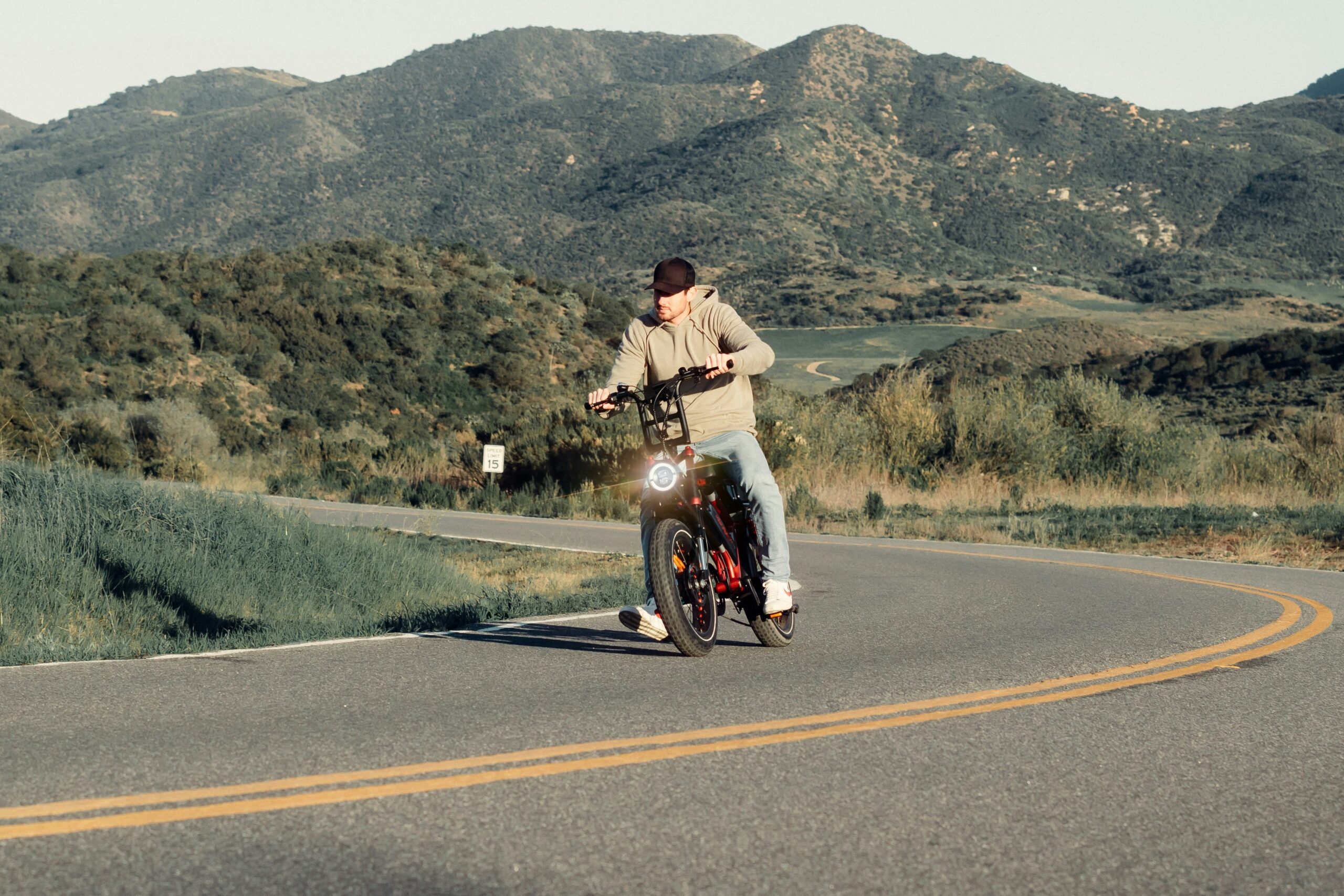
The biggest mistake riders make is using one label for every powered bike. Alabama does not do that.
For practical purposes, Alabama riders should sort their machine into one of two lanes: class 1/2/3 electric bicycle or motor-driven cycle. That split drives almost every downstream rule in this article.
For a true class 1, 2, or 3 e-bike, Alabama’s bicycle code matters most. Section 32-5A-267 says an electric bicycle generally has the same rights and duties as a bicycle, unless a specific electric-bicycle rule says otherwise.
This matters because a compliant classed e-bike is not treated the same way as a moped-style machine. If your bike still has operable pedals and fits the statutory class definitions, that is your best legal starting point.
Alabama is more specific with class 3 bikes than many riders expect. A person under 16 generally may not operate or ride as a passenger on a class 3 electric bicycle unless the passenger is in a child seat.
Section 32-5A-263 requires riders to travel as near to the right side of the roadway as practicable, with the normal exceptions for turns, passing, hazards, and narrow lanes. That is the default road-position rule Alabama riders should expect when they are on a classed e-bike.
Section 32-5A-265 requires a front lamp visible from at least 500 feet and rear visibility equipment such as a red reflector or rear lamp meeting the statutory visibility standard. If you ride after dark, do not treat built-in decorative lights as automatically compliant.
Alabama lets local authorities prohibit electric bicycles on bicycle paths or shared-use paths after notice. So even if your e-bike is legal statewide, a city trail, greenway, or park connector may still have a posted restriction.
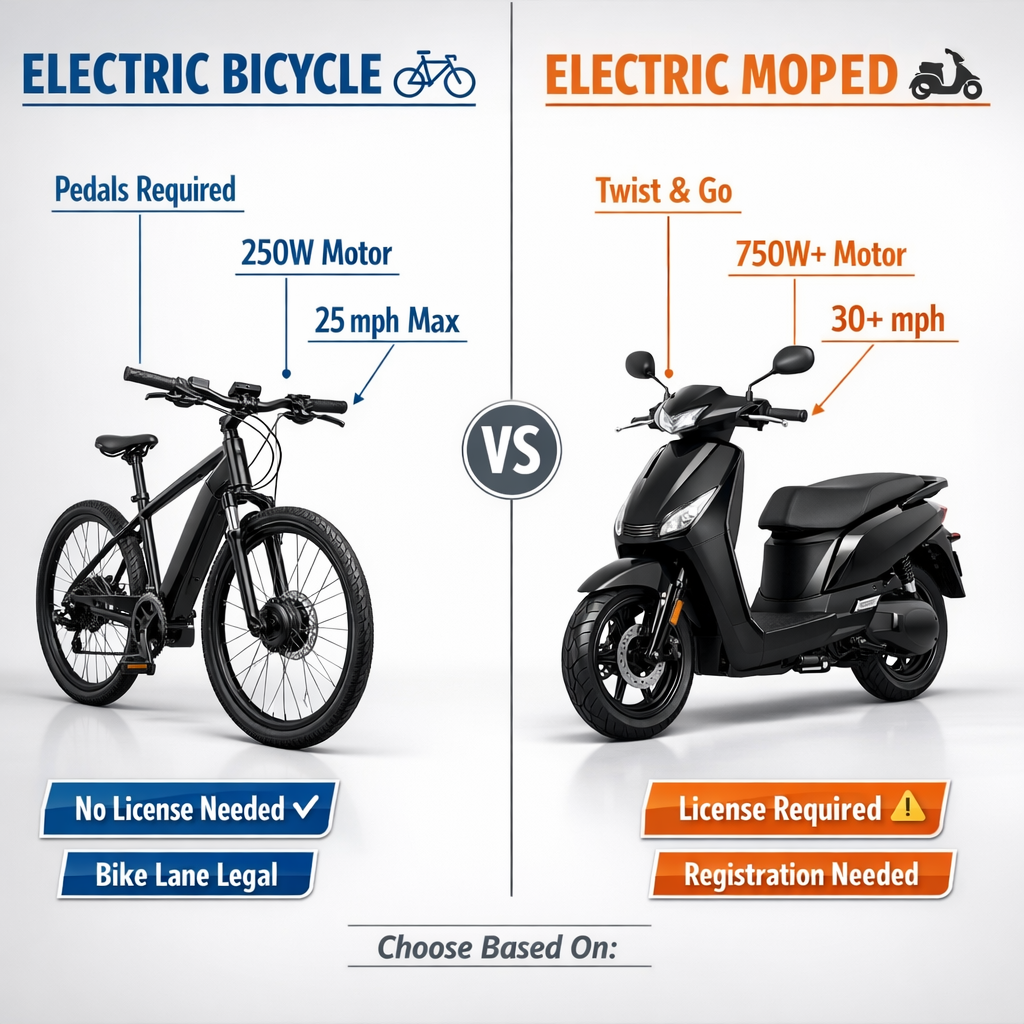
This is the part of Alabama law that catches gas bikes, scooter-style mopeds, and some motorized bicycles that fall outside the class 1/2/3 e-bike rules.
Section 32-12-22 ties motor-driven cycle operation to Alabama’s Class M motorcycle licensing structure, including a motor-driven-cycle restriction path. ALEA also states that Alabama generally requires a license to operate a motor vehicle on public streets and roadways. In plain English: if your ride is a motor-driven cycle, do not assume bicycle rules apply.
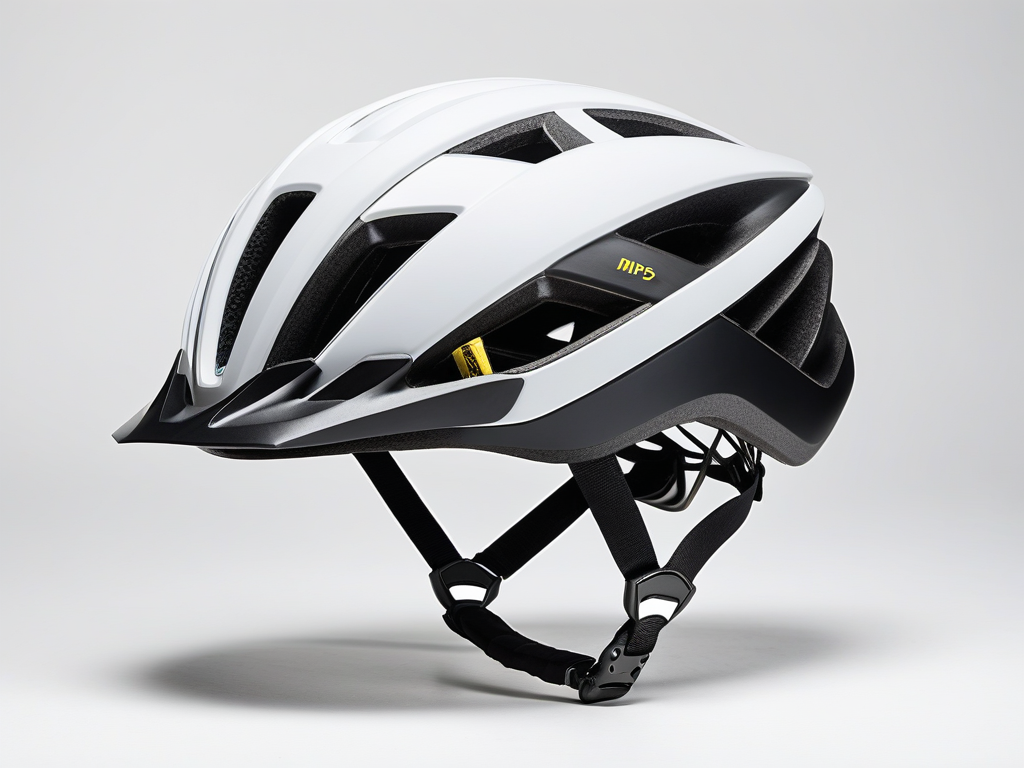
Section 32-5A-245 requires anyone operating or riding on a motorcycle or motor-driven cycle to wear protective headgear that meets Alabama standards and to wear shoes. That is a much stricter rule set than the standard bicycle lane.
Section 32-8-31 expressly exempts motor-driven cycles from Alabama’s certificate-of-title requirement. That helps, but it does not erase the separate licensing and registration questions that can still come up with moped-style vehicles.
The Alabama Department of Revenue fee table includes a motorcycle registration fee line, and ALEA separately lists a motor-driven cycle license fee. Those sources show that Alabama treats this category more like a motor vehicle than a bicycle. Because county licensing offices handle the actual tag-and-registration workflow, riders should confirm the exact plate and paperwork process locally before buying a moped-style machine for street use.
Usually yes, if the bike truly fits Alabama’s electric bicycle definition and class 2 limits. In that lane, Alabama generally applies bicycle rights and duties rather than motor-driven-cycle licensing rules.
Not as a normal operator. Alabama’s class 3 rule generally sets the floor at age 16, with a child-seat exception for younger passengers.
Be careful. Alabama’s motor-driven cycle definition is broad enough that many gas-style or moped-style builds will land outside the normal bicycle lane. Once that happens, licensing and helmet requirements become the safer assumption.
Maybe, but check the posted local rule first. Alabama law lets local authorities restrict electric bicycles on bicycle paths and shared-use paths after notice.
| Question | If yes | Likely lane |
|---|---|---|
| Does it have fully operable pedals and fit class 1, 2, or 3 limits? | Use Alabama’s electric bicycle rules. | Bicycle-style treatment |
| Is it gas-powered or moped-style, or does it fall outside the classed e-bike limits? | Expect motor-driven-cycle analysis. | Motor vehicle / motorcycle-style rules |
| Will you ride after dark? | Check Alabama’s lamp and reflector requirements first. | Equipment compliance issue |
| Will you use a local trail, path, or greenway? | Look for local restrictions or posted notices. | City / local rule issue |
If your bike is truly an electric bicycle, Alabama’s bicycle code is the main baseline. If your machine is a motor-driven cycle, Alabama moves fast into motorcycle-style safety rules. That is why getting the classification right matters more than the marketing label on the listing.