eBike motor maintenance is usually simpler than many riders expect. Most modern eBike motors are sealed systems that do not need regular internal servicing, but they still benefit from good overall bike care, clean riding habits, routine inspections, and quick attention when unusual noises, power loss, or error behavior shows up.
Quick answer: Most riders do not need to open or service the motor itself. The real job is protecting the motor by keeping the bike clean, watching connectors and mounting hardware, avoiding neglect, and fixing surrounding problems before they put extra strain on the drive system.
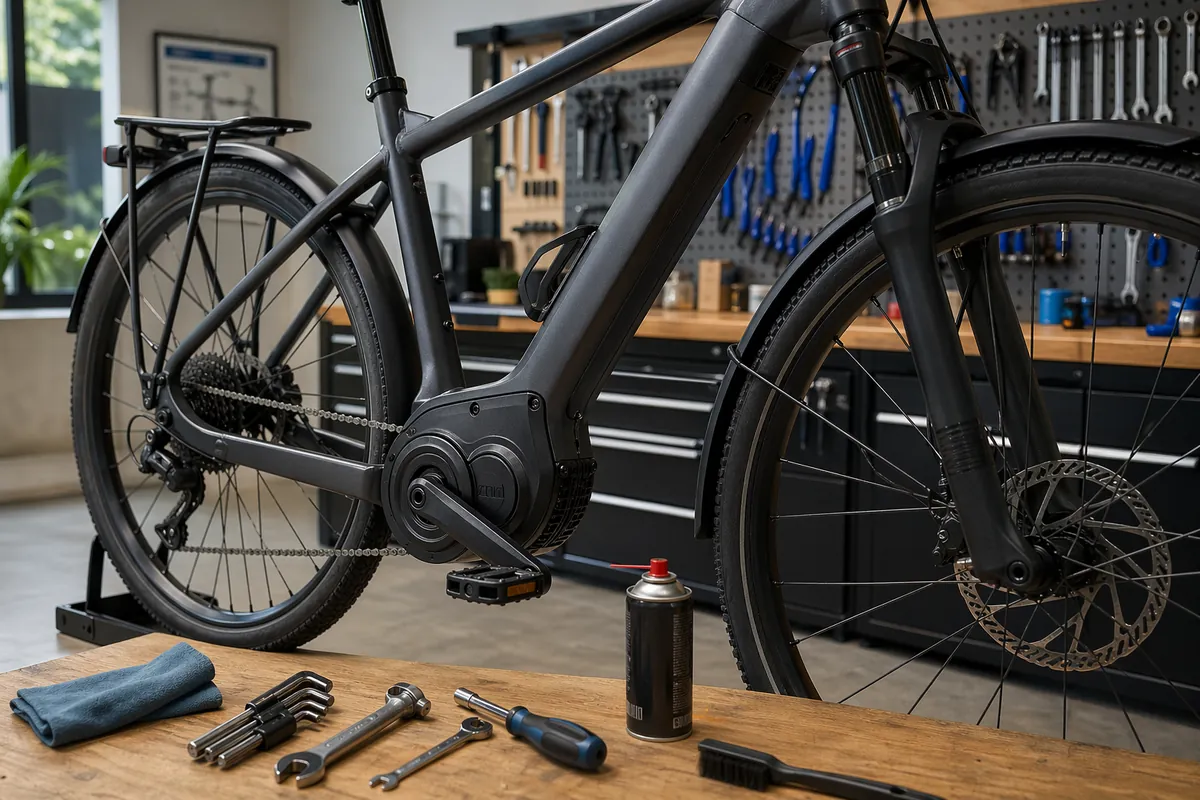
The motor usually needs less direct maintenance than the rest of the bike. In many cases, trouble starts around the motor, not inside it, through dirt, loose hardware, worn drivetrains, or water-related neglect.
In most cases, not in the way people imagine. Many eBike motors are designed as sealed units, which means routine internal maintenance is not part of normal ownership. You generally do not open the motor, lubricate internal parts yourself, or treat it like an exposed mechanical system that needs constant adjustment.
What matters more is the health of the bike around it. If the drivetrain is worn, the bike is frequently dirty, or connectors are neglected, the motor can end up working harder than it should. That is one reason broader upkeep still matters, even when the motor itself is mostly hands-off. If you are building a more complete care routine, our e-bike buying tips guide and how to wash an e-bike article can help with the basics.
| Motor maintenance area | What to check | Why it matters |
|---|---|---|
| Motor casing | Dirt buildup, impact damage, visible cracks | Helps catch problems before they worsen |
| Mounting hardware | Loose bolts or unusual movement | Movement can create wear, noise, or stress |
| Wiring and connectors | Moisture, dirt, bent pins, loose connections | Electrical issues can mimic motor failure |
| Drivetrain condition | Chain wear, cassette wear, poor shifting | A stressed drivetrain can affect motor load |
| Riding behavior | Grinding climbs in the wrong gear | Poor habits can increase strain on the system |
| Warning signs | Noise, vibration, power drop, fault codes | Early attention often prevents larger issues |
For most riders, good motor maintenance is really a mix of inspection, cleanliness, and common sense. Keep the bike reasonably clean, avoid blasting sensitive areas with high-pressure water, check for loose parts, and pay attention when the system suddenly feels different.
A quiet, consistent motor is usually a good sign. If the bike starts making new noises, surging unexpectedly, cutting power, or showing error messages, that is the moment to investigate. Problems that seem motor-related are sometimes caused by connectors, sensors, worn drivetrain parts, or battery issues instead.
Motor housings and connectors do not benefit from aggressive washing. A gentle cleaning approach is usually safer than soaking the bike or forcing water into sensitive areas. Dirt, grime, and road salt should not be allowed to build up for long, but cleaning should still be controlled.
This matters even more if you ride in bad weather. Water exposure does not automatically damage an eBike, yet repeated wet riding without sensible cleanup can create avoidable problems over time. Riders who deal with that regularly should also read can you ride an e-bike in the rain.
One of the easiest things to miss is how much a neglected drivetrain can affect the motor. A dirty chain, poor shifting, and worn cassette can all make the system work less efficiently. Mid-drive bikes especially can feel this more because the motor works through the drivetrain rather than bypassing it.
That is why eBike motor maintenance is not only about the motor housing. It also includes the parts that transfer power. Keeping the chain clean and replacing worn parts on time can reduce strain and help the whole system feel smoother.
New clicking, grinding, vibration, intermittent assistance, or unexpected shutdowns are worth taking seriously. So are visible cable problems, repeated fault codes, or a bike that suddenly feels weaker under the same riding conditions.
Not every symptom means the motor is failing. In some cases the issue can come from the battery, sensor alignment, loose connections, or even something simple like a badly worn chain. If battery performance also seems off, it may help to review e-bike battery maintenance so you can separate motor concerns from battery-related ones.
Practical tip: if your eBike starts making a new sound, stop treating it as normal just because the bike still runs. Small noises often show up before bigger issues become obvious.
Basic inspection and preventive care, yes. Internal motor repairs, usually no, unless you have the right expertise, tools, and a motor system that is actually designed for service access. For most owners, opening the motor is not a normal maintenance task and may create more risk than value.
That is especially true with sealed systems, warranty concerns, and model-specific electronics. In many situations, the smarter move is to handle the surrounding care yourself, then let a qualified shop diagnose deeper electrical or internal drive issues if needed.
eBike motor maintenance is less about opening the motor and more about protecting it through good ownership habits. Clean the bike sensibly, keep an eye on connectors and bolts, maintain the drivetrain, and respond early when something starts to feel off.
For most riders, that level of care is enough. The motor is often one of the lower-maintenance parts of the bike, but it still depends on the rest of the system being looked after properly.