eBike maintenance cost depends on how often you ride, how heavy the bike is, how fast you go, where you store it, and whether you handle simple upkeep yourself. The big picture is simple: charging is usually cheap, but tires, brake pads, chains, tuneups, battery care, and occasional repairs still need a realistic budget.
Quick answer: Most eBike owners should budget for normal bicycle wear parts plus extra attention to brakes, tires, drivetrain, and battery health. Light riders may spend relatively little beyond basic supplies and tuneups, while daily commuters, cargo riders, hill riders, and wet-weather riders should expect higher maintenance costs over time.
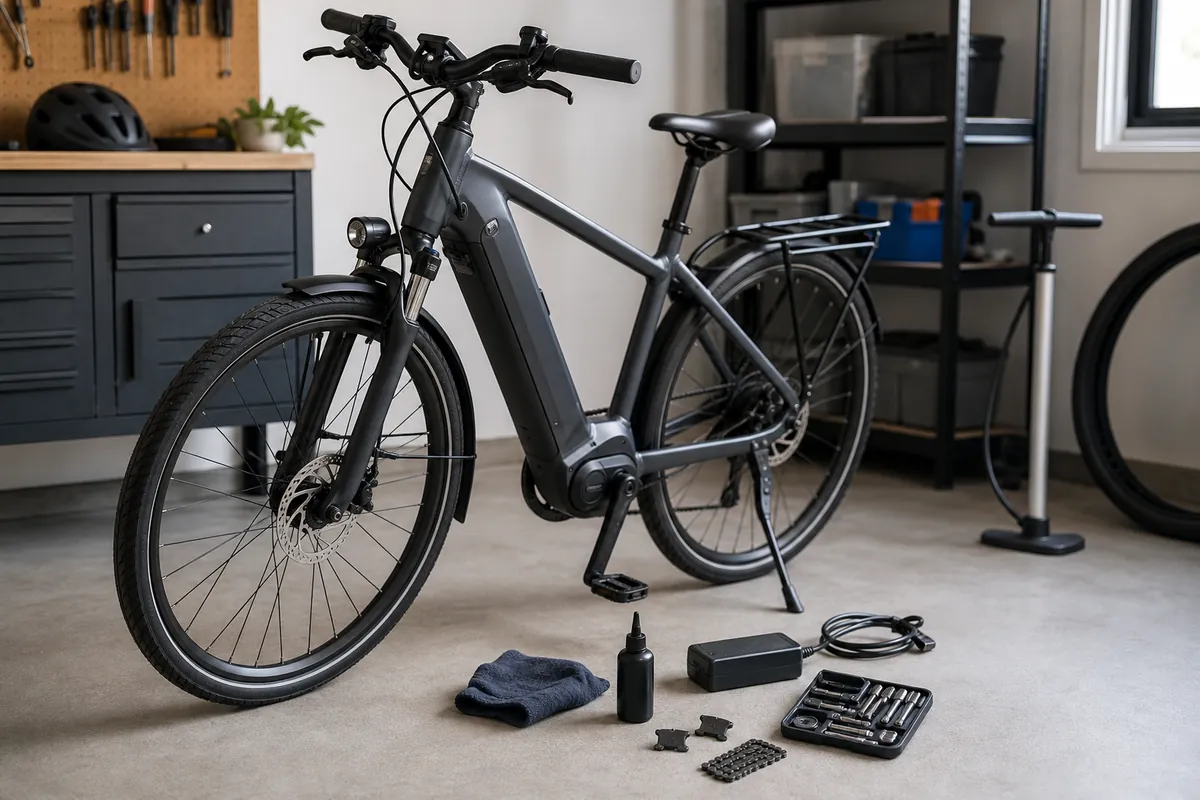
The cheapest maintenance is usually the maintenance you do early. Tire pressure, chain care, brake checks, and clean storage can prevent small wear from becoming a larger repair.
eBike maintenance cost is not one fixed number. A weekend rider on smooth paths may mostly pay for chain lube, tire inflation, occasional brake pads, and a periodic tuneup. A daily commuter riding hills in rain may go through tires, brake pads, chains, and adjustments much faster.
The bike itself matters too. Heavier bikes, cargo eBikes, high-speed models, fat tire eBikes, and bikes carrying frequent loads can put more stress on wear parts. If you are still deciding what type of bike fits your riding, our e-bike buying tips guide can help you avoid buying more maintenance burden than you need.
| Maintenance area | Typical cost impact | What raises the cost |
|---|---|---|
| Tires and tubes | Regular wear item | Low pressure, rough roads, heavy loads, flats, poor storage |
| Brake pads and rotors | Common recurring cost | Speed, hills, cargo, wet riding, heavier bike weight |
| Chain and drivetrain | Moderate but important | Dirt, poor lubrication, high torque, hard shifting, neglect |
| Battery care | Low daily cost, high replacement concern | Heat, cold, moisture, poor charging habits, hard storage |
| Tuneups and labor | Varies by shop and service depth | Daily riding, neglected adjustments, complex electrical diagnosis |
| Accessories and small parts | Easy to overlook | Lights, racks, fenders, bags, locks, chargers, cables |
Your riding style is the best clue. Maintenance costs rise when the bike replaces daily transportation, carries weight, rides in bad weather, or spends time on rough roads. That does not make eBikes expensive to own; it just means the budget should match the job.
If you ride occasionally on paved paths, maintenance can stay modest. You still need to check tire pressure, keep the chain clean, watch brake wear, and store the battery well. But parts will usually wear more slowly than they would on a daily commuter bike.
The main risk for low-use bikes is neglect. Tires lose air, chains dry out, batteries sit too long in poor conditions, and small problems go unnoticed because the bike is not checked often.
Commuting adds repeat miles, weather exposure, stops, starts, and braking. Brake pads, tires, chains, and tuneups become more important because the bike is no longer just weekend equipment; it is transportation.
Daily use is where preventive maintenance earns its keep. A noisy chain, soft tire, or weak brake should be handled early, not saved for “later” when the bike is part of your work routine.
Cargo weight, steep hills, and higher assist levels can increase wear. Brakes work harder. Tires carry more load. Chains and drivetrains may see more stress. Batteries may also cycle more often if you use high assist or ride long routes.
For cargo riders, check racks, mounts, spokes, tires, and brakes more often. A small issue under extra weight can become a bigger safety problem quickly.
Practical budgeting tip: divide maintenance into three buckets: wear parts, shop labor, and battery/security costs. That makes the real ownership cost easier to track than one vague yearly guess.
Brakes and tires are two of the most common recurring eBike maintenance costs. eBikes are often heavier than standard bicycles and may be ridden at higher average speeds, so stopping power and tire condition deserve regular attention.
Brake pads can wear faster if you ride hills, carry cargo, commute in traffic, or ride in wet grit. Tire wear depends on pressure, road surface, load, compound, tread, and how often you ride. Skipping pressure checks can shorten tire life and reduce range.
If you are unsure when brake pads are done, read our guide on how often to replace e-bike brake pads. It is one of the maintenance costs worth watching closely.
Charging an eBike usually costs very little compared with fuel, parking, or major repairs. The battery’s bigger cost is long-term health. A replacement battery can be one of the more expensive ownership items, especially if the bike uses a proprietary pack.
Good battery habits help protect that investment. Avoid extreme heat, unnecessary moisture exposure, rough storage, and careless charging routines. If the battery is removable, indoor storage can help in hot, cold, or wet conditions. Our e-bike battery maintenance guide covers the core habits in more detail.
Some maintenance is reasonable for many owners. Tire pressure, basic cleaning, chain lubrication, visual brake checks, loose accessory checks, and simple inspections can often be handled at home with basic tools.
Other work is better for a shop. Brake bleeding, wheel truing, bearing service, motor diagnosis, controller issues, battery faults, and persistent electrical problems deserve qualified help. Paying for the right repair can be cheaper than damaging parts while guessing.
Where the bike lives matters. Outdoor storage, rain, road salt, dust, heat, and freezing temperatures can all increase maintenance needs. A bike kept clean, dry, and charged properly will usually be easier to own than one left exposed.
Wet-weather riding is possible on many eBikes, but water care matters. Avoid pressure washing, dry the bike after wet rides, and keep battery contacts and connectors clean. For cleaning basics, see our guide on how to wash an e-bike.
Start with your miles and conditions. A casual rider might only need basic supplies and an occasional tuneup. A commuter should budget for more frequent wear parts and service. A cargo or high-speed rider should leave extra room for brakes, tires, chains, and shop labor.
Use a simple tracking note. Record dates for tires, brake pads, chain work, tuneups, flats, battery concerns, and shop visits. After a few months, your own bike will tell you more than any generic estimate.
eBike maintenance cost makes the most sense when the bike gets used. If it replaces short car trips, transit rides, rideshare trips, parking fees, or a second vehicle, maintenance can be part of a larger savings picture.
If the bike mostly sits unused, every repair feels more expensive. That is why the best cost strategy is not just buying cheap parts. It is owning a bike that fits your route, storing it well, and using it often enough to justify the care.
eBike maintenance cost is usually manageable when you plan for it. Tires, brake pads, chains, tuneups, battery care, and small accessories are normal ownership costs, not surprises. The more often you ride, the more important those costs become.
The best way to save money is to stay ahead of wear. Keep the tires inflated, care for the chain, watch the brakes, store the battery wisely, and fix small problems early. A well-maintained eBike is safer, smoother, and less likely to turn one ignored issue into a larger bill.