An e bike maintenance manual should help you understand what to check, how often to check it, and when to stop and get professional help. Most eBike care is not complicated, but it does need a steady routine: tires, brakes, drivetrain, battery habits, wiring checks, cleaning, and quick attention when the bike starts to feel different.
Quick answer: A good e bike maintenance manual should cover pre-ride checks, regular cleaning, chain and brake care, tire pressure, battery storage, connector inspections, and warning signs that need a mechanic. The goal is not to rebuild the bike at home; it is to catch small problems before they become expensive or unsafe.
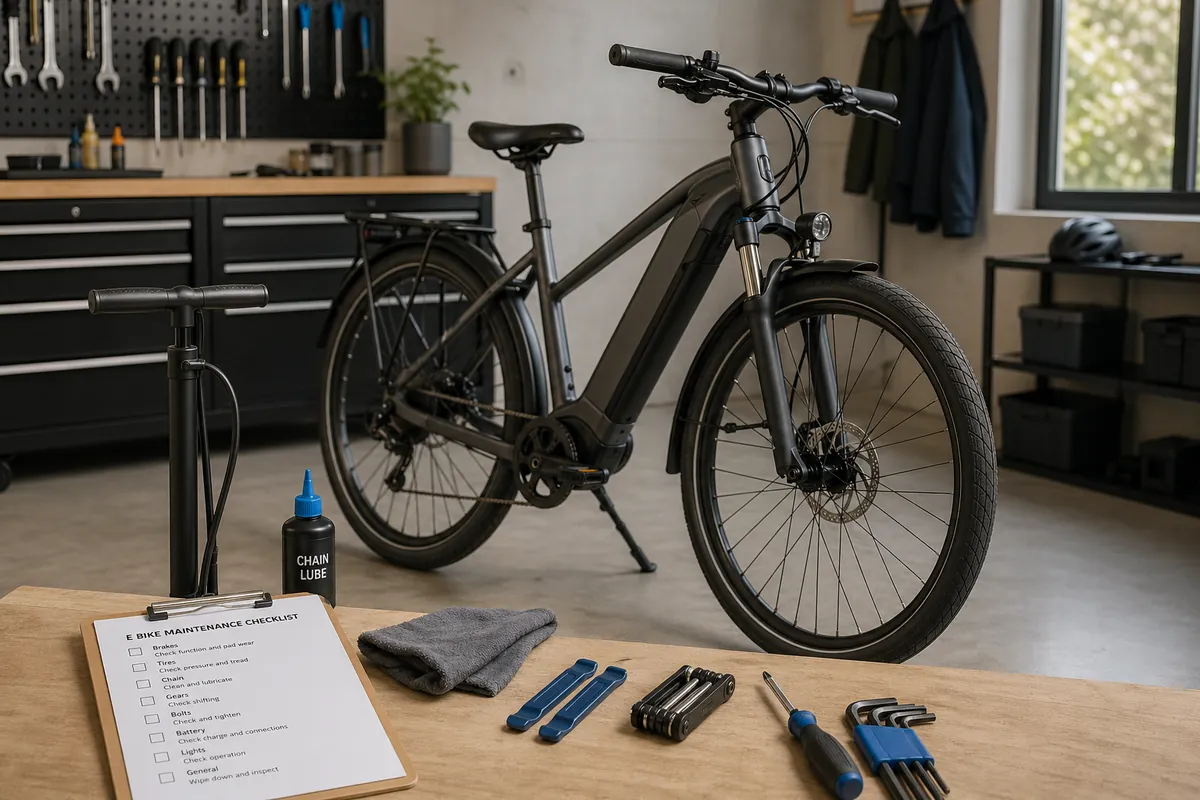
The best maintenance manual is simple enough to follow. A short, repeatable routine beats a perfect checklist you only remember after something breaks.
A useful eBike maintenance guide should separate routine owner care from repairs that need a trained mechanic. Checking tire pressure, cleaning the bike, lubricating the chain, and inspecting visible wear are normal owner tasks. Electrical faults, wheel problems, brake issues, and motor concerns can require more care.
That split matters because eBikes combine regular bicycle parts with electrical systems. You are still maintaining tires, brakes, chains, and bearings, but you are also protecting a battery, controller, display, wiring, and motor system. If you are still learning how the major systems work together, our guide to electric bike motors explained is a helpful reference.
| Maintenance area | Owner check | Why it matters |
|---|---|---|
| Tires | Pressure, tread, cuts, embedded debris | Low pressure hurts range, handling, and tire life |
| Brakes | Pad wear, lever feel, rotor rub, stopping power | eBikes are heavier and need dependable braking |
| Chain and drivetrain | Cleanliness, lubrication, shifting, wear | Neglect can damage more expensive drivetrain parts |
| Battery | Charging habits, storage temperature, secure fit | Battery health affects range and long-term cost |
| Wiring and connectors | Loose plugs, pinched cables, dirt, moisture | Small connection issues can mimic bigger failures |
| Frame and hardware | Loose bolts, racks, fenders, folding joints where applicable | Vibration and weight can loosen parts over time |
Maintenance works best when it has a rhythm. You do not need to turn every ride into a shop session, but you should know what belongs before rides, what belongs every few rides, and what deserves a deeper look each month.
Check tire pressure, squeeze the brakes, confirm the battery is seated, and look for anything loose or obviously damaged. If the bike has lights, make sure they work. If it has racks or bags, check that they are secure.
This should take less than two minutes. If something feels wrong before the ride, it usually deserves attention before you roll out.
Wipe down the frame, look at the chain, inspect the tires, and listen for new sounds. A squeaky chain, rubbing brake, loose accessory, or slow tire leak is easier to handle early than after it becomes part of the bike’s “normal” personality.
Cleaning should be gentle around electrical parts. Avoid high-pressure water near the battery, display, motor, controller, and connectors. For a safer process, use the steps in our guide on how to wash an e-bike.
Do a more deliberate inspection. Check brake pads, chain wear, tire sidewalls, bolt tightness, shifting quality, and cable routing. Look over connectors for grime or moisture, especially if you ride in rain or store the bike outside.
Battery care belongs here too. Charging routines, storage temperature, and moisture exposure can affect long-term range and replacement cost. Our e-bike battery maintenance guide covers the habits that matter most.
Practical tip: keep a small maintenance note on your phone with tire pressure, chain cleaning dates, brake checks, and any new noises. A simple log makes patterns much easier to spot.
Most riders can learn the basics. Tire pressure, simple cleaning, chain lubrication, checking for loose accessories, and noticing brake or shifting changes are all reasonable owner tasks. These habits do not require advanced tools, but they do require consistency.
Chain care is a good example. You do not need to overhaul the drivetrain to keep it healthy. You need to keep it clean enough, lubricated properly, and checked for wear before it damages other parts. The same idea applies across the bike: small care, repeated often.
Use professional help when the issue affects braking, steering, wheels, motor behavior, or electrical reliability. Repeated error messages, power cuts, damaged wiring, loose wheels, weak braking, and unusual grinding noises should not be guessed through.
Brake work is especially important because eBikes are heavier than many regular bikes. If the lever feel changes, stopping distance grows, or pads look thin, do not wait. Our article on how often to replace e-bike brake pads can help you understand the signs.
The first mistake is waiting for a failure instead of responding to early symptoms. New noises, rough shifting, soft brakes, fast battery drain, and repeated flats all mean something changed. Waiting often makes the fix more expensive.
The second mistake is over-washing. A clean bike is good, but blasting an eBike with water can create problems around connectors and electronics. Gentle cleaning is the better habit.
The third mistake is treating battery care as separate from maintenance. The battery is one of the most expensive parts of the bike, so charging and storage habits deserve real attention.
A bike used on dry weekend paths needs less maintenance than one used for daily commuting in rain, grit, heat, or cold. Wet rides call for more cleaning and drying. Dusty roads call for more drivetrain attention. Outdoor storage calls for more frequent checks around corrosion, tires, and battery handling.
Use your conditions as the guide. If the bike looks dirty, feels different, or starts making a new sound, the calendar matters less than the symptom in front of you.
A practical e bike maintenance manual is not about doing every repair yourself. It is about knowing what to check, what to clean, what to record, and when a problem needs professional service.
If you keep tires inflated, brakes checked, the chain clean, the battery cared for, and connectors protected, most ownership problems become easier to catch early. That simple routine can keep your eBike safer, smoother, and less expensive to own over time.