The best commuter ebike for hills is not just the one with the biggest motor number. A strong hill-friendly commuter should combine smooth climbing support, enough battery range, dependable brakes, comfortable geometry, and gearing that helps you handle repeated climbs without turning every ride into a workout.
Quick answer: The best commuter eBike for hills should have strong low-speed support, a battery with enough usable range for your route, reliable brakes, comfortable fit, and gearing that makes climbing feel controlled. For most riders, steady hill performance matters more than flashy top speed.
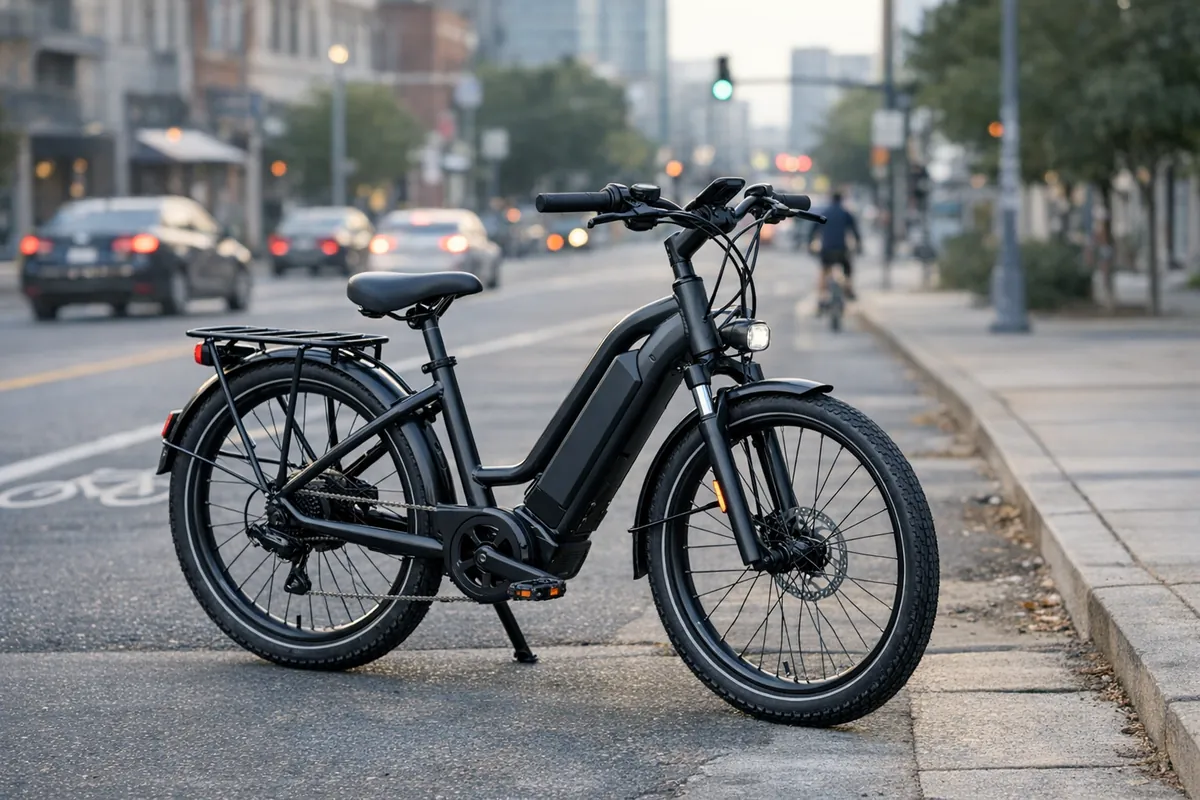
Hill commuting rewards balance. A bike that climbs well but feels heavy, harsh, or hard to stop may not be the best daily commuter.
Hill commuting is harder on an eBike than flat city riding. The motor works harder, the battery drains faster, and the brakes have to handle more heat and stopping demand on descents. That is why a hill-focused commuter needs more than basic pedal assist.
Look for a bike that feels stable at low speeds, offers predictable support when the grade kicks up, and still has enough range left after the climb. If you are still comparing the basics, our e-bike buying tips guide can help you sort must-have features from marketing noise.
| Hill commuter feature | Why it matters | What to look for |
|---|---|---|
| Motor support | Helps you climb without stalling or overworking | Smooth low-speed assist and useful torque feel |
| Battery capacity | Climbing drains range faster than flat riding | Enough usable range with a safety buffer |
| Gearing | Keeps climbing cadence manageable | Lower gears that help on repeated hills |
| Brakes | Descents are as important as climbs | Strong, predictable stopping power |
| Comfort | Daily commuting needs repeatable fit | Stable geometry and a natural riding position |
| Weight and handling | Heavy bikes can feel awkward off the bike | Manageable size for storage, parking, and stairs |
Start with your actual route. A short commute with one steep climb is different from a long ride with rolling hills the whole way. Grade, distance, rider weight, cargo, wind, and stop-and-go traffic all change what the bike needs to handle.
Do not judge hill performance by motor wattage alone. The way the bike delivers support matters just as much. A smooth motor, useful gearing, and a battery that does not fade too quickly can feel better than a bike that only looks stronger on paper.
A commuter eBike for hills should help you stay in control when speed drops. If the motor only feels good once the bike is already moving fast, steep starts can feel clumsy. Lower gearing helps too, especially when you need to climb without grinding the drivetrain or draining the battery too quickly.
This is where motor type and ride style matter. Hub motors and mid-drive motors can both work for hill commuting, but they feel different. For a deeper comparison, see our guide to electric bike motors explained.
Advertised range can be optimistic for hilly routes. Climbing takes more energy, and using higher assist levels can drain the battery faster than a flat-road estimate suggests. If your commute includes repeated hills, plan for extra margin instead of choosing a bike that barely meets your route on paper.
A removable battery can also make hill commuting easier to live with if you need to charge at work, in an apartment, or away from the bike. That tradeoff is worth reviewing in our article on whether you should buy an e-bike with a removable battery.
Climbing gets most of the attention, but descents matter just as much. A good hill commuter should stop confidently, track predictably, and feel stable when roads are rough or traffic forces quick decisions. Weak brakes can make an otherwise capable eBike feel stressful.
Tires matter too. Underinflated tires can make climbing feel sluggish and reduce range. Poor tire choice can also hurt comfort and grip. The best setup is the one that fits your roads, not just the one that looks fastest in a product photo.
Practical tip: before buying, write down your steepest climb, one-way distance, typical cargo load, and where you will charge. Those four details will narrow your options faster than comparing dozens of spec sheets.
If you are still building a shortlist, broad comparison shopping can help you see common hill-commuter features, price bands, and battery sizes. Use it as research, then check each model’s fit, support, brake setup, and real route suitability before deciding.
A hill-ready commuter eBike makes sense if your ride includes steep grades, repeated climbs, heavy cargo, or stop-start traffic on inclines. It can also be a smart choice if you want to arrive less sweaty while still using the bike consistently for work or errands.
It may be overkill if your route is short and mostly flat. In that case, comfort, price, storage, and basic reliability may matter more than hill-specific power. The right choice depends on your commute, not just the category name.
The best commuter eBike for hills should make climbing feel steady, predictable, and repeatable. That means looking beyond raw motor claims and paying attention to battery range, gearing, braking, comfort, and how the bike fits your real route.
If a bike can climb well, stop confidently, and still feel practical every day, it is much more likely to become transportation you actually use. That is the real test for a hill-friendly commuter eBike.
* We may earn a commission when you buy through our links.