The best class 3 commuter eBike should feel fast, stable, comfortable, and practical without turning every ride into a maintenance project. For most commuters, the right choice is not simply the highest top speed; it is the bike that combines controlled Class 3 pedal assist, dependable brakes, useful range, commuter-ready accessories, and a fit that makes you want to ride it every day.
Quick answer: Look for a Class 3 commuter eBike with smooth pedal assist up to 28 mph, hydraulic disc brakes, a comfortable riding position, tires suited to pavement, a battery with range margin, integrated lights, fender and rack support, and clear local-road legality. A throttle can be helpful, but rules vary, so check how the bike is classified where you ride.
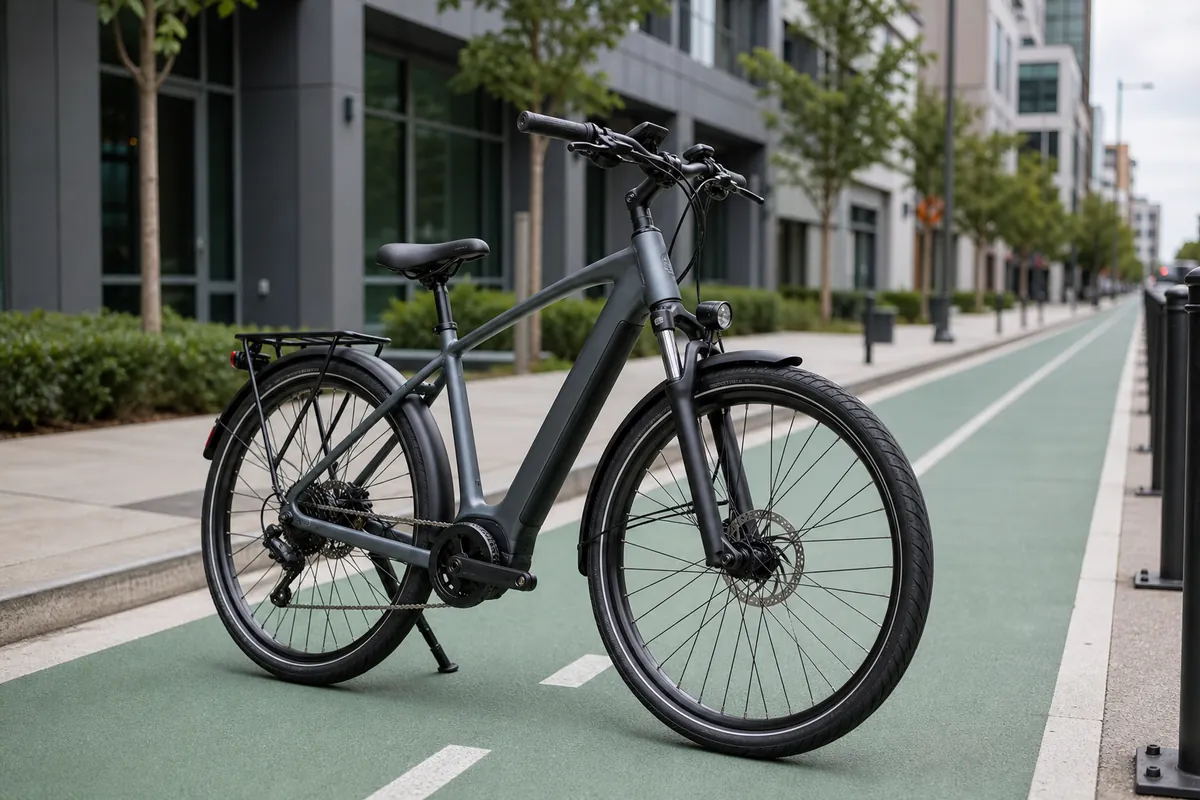
Best overall buying lens: choose the commuter eBike that makes your normal route easier, not the one with the flashiest spec sheet. Speed matters, but braking, comfort, battery habits, and cargo setup matter just as much once the bike becomes daily transportation.
A Class 3 eBike is commonly associated with pedal assist up to 28 mph, though exact definitions and throttle rules can vary by state and local area. That extra assist can be a big deal for commuting. It helps you keep pace on longer roads, reduce travel time, and arrive less drained than you might on a slower bike.
Still, Class 3 speed only helps if the bike feels composed. A good commuter should have predictable handling, strong brakes, stable tires, and a riding position you can live with in real traffic. If you are still comparing categories, our broader guide to the best electric bikes can help you place commuter models in context.
The strongest commuter setup usually starts with the boring details. That is a compliment. Daily riding rewards practical parts more than novelty features.
| Feature | What to look for | Why it matters for commuting |
|---|---|---|
| Motor and assist | Smooth Class 3 pedal assist with predictable power delivery | Helps maintain speed without making the bike feel jumpy |
| Battery range | Enough real-world range for your round trip plus margin | Cold weather, hills, wind, weight, and high assist can reduce range |
| Brakes | Hydraulic disc brakes are a strong preference | Class 3 speeds and heavier bike weight demand confident stopping |
| Tires | Pavement-friendly commuter tires with puncture protection | Good tires improve comfort, efficiency, grip, and flat resistance |
| Fit and comfort | Adjustable cockpit, supportive saddle, sensible frame size | Small comfort problems get louder when you ride every day |
| Commuter gear | Lights, fenders, rack mounts, kickstand, and lock-friendly frame space | These features make the bike useful in real weather and errands |
Peak power can look impressive, but the ride feel matters more. A commuter eBike should start smoothly, respond predictably, and avoid harsh surges when you are riding near pedestrians, traffic, or tight bike-lane gaps.
Hub motors are common on commuter eBikes because they can be affordable and simple to ride. Mid-drive motors can feel more bicycle-like and may climb efficiently, but they can cost more and put more wear through the drivetrain. For a deeper explanation, see electric bike motors explained.
Do not shop range by the best-case number alone. A battery that claims a long range under ideal conditions may deliver less when you ride fast, climb hills, carry work gear, or use high assist. Class 3 commuting can use energy quickly because higher speeds demand more from the system.
A useful rule: estimate your daily round trip, then buy with margin. If your commute is 18 miles total, a bike that barely covers 20 miles in your conditions may feel stressful. A better fit gives you room for wind, detours, battery aging, and days when you simply want more assist.
Some shoppers want a Class 3 commuter eBike with a throttle. That can be useful for starting from stops, crossing intersections, or getting moving when the bike is loaded. The catch is classification. Some places treat throttles differently, and some Class 3-labeled bikes limit throttle behavior to lower speeds or omit it entirely.
Before buying, check the actual assist and throttle behavior from the brand. Also check your local riding rules, especially if your route includes bike paths, multi-use trails, campuses, or bridges. If you ride in mixed conditions, our guide to whether you can drive a motorized bike on the road may help frame the legal side.
Practical commuter test: map your real route before choosing a bike. Note hills, stop signs, rough pavement, storage needs, weather exposure, and secure parking. Then pick the eBike around that route instead of shopping by speed alone.
A fast eBike that feels awkward after ten minutes is not a good commuter. Look for a frame size that fits, a cockpit you can adjust, and a riding position that matches your route. Upright geometry feels relaxed and visible in city traffic. A slightly forward position can feel more efficient on longer rides.
Suspension is optional. It can help on rough pavement, but it adds cost, weight, and parts. Wider commuter tires, a good saddle, ergonomic grips, and correct tire pressure can solve many comfort problems without turning the bike into a heavy trail machine.
Class 3 commuter eBikes can move quickly, and many weigh more than traditional bikes. That combination puts more demand on brakes and tires. Hydraulic disc brakes are worth prioritizing for many commuters because they usually provide stronger, more controlled stopping than basic mechanical setups.
Tires should match pavement first unless your commute includes dirt or rough shoulders. Look for puncture protection, reflective sidewalls if available, and a tread pattern that rolls efficiently. Very aggressive tires may look tough, but they can feel slower and louder on daily pavement.
A helmet, lights, and a secure lock setup are part of the commuting system too. For safety basics, read our e-bike helmet guide before making a fast commuter bike part of your normal routine.
There is no single right price, but the best value usually comes from matching the bike to your commute instead of chasing every premium feature. Lower-cost Class 3 commuter eBikes can work well if they have solid brakes, a reputable battery setup, and the accessories you need. Higher-end models may offer smoother motors, better components, cleaner integration, and stronger shop support.
If your budget is tight, avoid cutting corners on brakes, fit, and battery quality. Accessories also add up. Fenders, lights, racks, bags, locks, mirrors, and flat-repair tools can turn a “cheap” bike into a more expensive setup than expected.
If you are comparing options, start with Class 3 commuter electric bikes that already include commuter basics: lights, fenders, rack support, hydraulic disc brakes, and a battery sized for your round trip. Then narrow by fit, weight, local rules, and service support.
The best Class 3 commuter eBike is the one that makes your real commute faster, calmer, and easier to repeat. Speed is the headline, but the daily value comes from stable handling, strong brakes, useful range, comfortable fit, and practical accessories.
Buy around your route, not around a single spec. When the bike fits your roads, storage, charging setup, and local rules, Class 3 commuting can feel less like a workaround and more like a genuinely better way to get around.
* We may earn a commission when you buy through our links.