Enjoy FREE shipping anywhere within the US!

Motorized Bicycle Laws in Vermont

Motorized Bicycle Laws in Vermont make the most sense when you separate three different buckets: motor-driven cycles, motor-assisted bicycles, and electric bicycles. Vermont treats a small registered 30 mph motor vehicle very differently from a pedal bike with a helper motor, and it also treats a modern class 1, 2, or 3 e-bike differently from an older motor-assisted bicycle. That split is the core of Motorized Bicycle Laws in Vermont, because your license, registration, path access, age limits, and inspection obligations all depend on which category your machine actually fits.

Note: This Vermont guide is based on current Vermont statutes and Vermont DMV registration guidance. It is informational only and not legal advice.

Last reviewed / source-checked: 2026-03-16

Vermont-specific caution: Vermont uses both a motor-assisted bicycle category and a separate electric bicycle class system. A low-speed bike with pedals is not automatically an e-bike just because it has a motor.
Quick answer: are motorized bicycles legal in Vermont?

  • Motor-driven cycles: Yes. Vermont allows these low-speed motor vehicles on public roads, but they are in the motor-vehicle lane rather than the bicycle lane.
  • License rule for motor-driven cycles: A motor-driven cycle may be operated only by a licensed driver who is at least 16 years old.
  • Registration / inspection for motor-driven cycles: Vermont charges an annual registration fee for a motor-driven cycle, and Vermont inspection law applies to registered motor vehicles.
  • Insurance / financial responsibility for motor-driven cycles: Vermont law says motor-driven cycle operators are subject to the financial-responsibility rule in 23 V.S.A. § 801, which can require proof after a crash in certain cases.
  • Motor-assisted bicycles: Yes. Vermont generally treats a motor-assisted bicycle like a bicycle, but it cannot be ridden on a sidewalk, and a rider under 16 cannot operate one on a highway.
  • Electric bicycles: Yes. Vermont treats e-bikes as bicycles in most situations, exempts them from registration, title, inspection, operator-license, and financial-responsibility requirements, and lets them use places where bicycles are allowed unless a local rule narrows access.
  • Helmet rule: The reviewed Vermont statutes include a statewide motorcycle helmet rule, but the cited sources reviewed for this draft do not state a separate statewide helmet rule for motor-driven cycles, motor-assisted bicycles, or electric bicycles.
  • Path rule: Electric bicycles may generally use highways, bicycle lanes, and bicycle or multiuse paths where bicycles are allowed, subject to class-specific local restrictions. Motor-assisted bicycles are governed as bicycles, but local rules still matter.
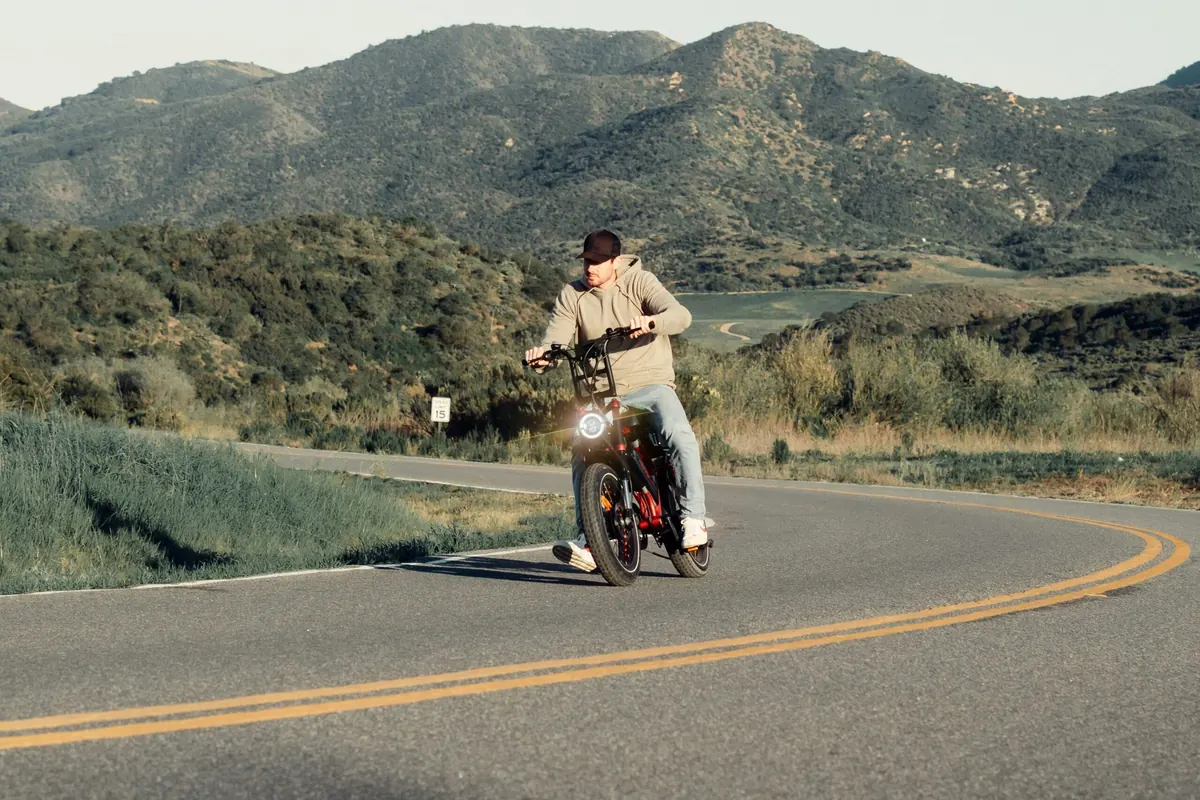
Motorized Bicycle Laws in Vermont roadside riding example
In Vermont, the first question is not just whether a bike has a motor. It is whether the machine is a motor-driven cycle, a motor-assisted bicycle, or a classed electric bicycle.

Motorized Bicycle Laws in Vermont: the three categories that matter

Vermont does not push every small powered bike into one legal box.

  • Motor-driven cycle: A two- or three-wheel vehicle with up to two brake horsepower, up to 50cc if it uses a combustion engine, a top speed not over 30 mph on level ground, and a power drive that works directly or automatically without clutching or shifting after engagement.
  • Motor-assisted bicycle: A bicycle or tricycle with fully operable pedals and a motor that can produce no more than 20 mph on level pavement with a 170-pound rider, using either a combustion motor up to 1,000 watts / 1.3 horsepower or an electric motor up to 1,000 watts that does not qualify as a class 1, 2, or 3 e-bike.
  • Electric bicycle: A bicycle with fully operable pedals, a seat or saddle, and an electric motor under 750 watts that fits Vermont's class 1, class 2, or class 3 definitions.

That classification split drives almost everything in Motorized Bicycle Laws in Vermont. Vermont expressly says motor-assisted bicycles and electric bicycles are not motor-driven cycles, and it also says electric bicycles are not motor-assisted bicycles.

Motorized Bicycle Laws in Vermont for motor-driven cycles

Vermont treats a motor-driven cycle as a motor vehicle, not as a bicycle

Vermont's motor-driven-cycle definition is the closest thing the state has to a classic low-speed moped lane. These vehicles are still motor vehicles under Vermont law, which is why the state handles them much more like small road vehicles than bicycle-adjacent machines.

You need a license, and the rider must be at least 16

Under 23 V.S.A. § 601, a Vermont resident generally may not operate a motor vehicle on a highway without a valid license, and subsection 601(e) says a motor-driven cycle may be operated only by a licensed driver at least 16 years of age. That is one of the clearest dividing lines in Motorized Bicycle Laws in Vermont.

Registration is required, and inspection follows the motor-vehicle lane

Vermont's registration statute sets an annual registration fee for a motor-driven cycle. Vermont's inspection statute also says a registered motor vehicle that is not currently inspected in Vermont must be inspected within 15 days after registration. Because a motor-driven cycle stays in the motor-vehicle lane, Vermont's registration and inspection obligations matter here in a way they do not for e-bikes.

Financial responsibility is narrower than a blanket insurance summary

Vermont's motor-driven-cycle registration statute says operators are subject to 23 V.S.A. § 801, which requires proof of financial responsibility in certain cases after a crash. That is more precise than saying Vermont automatically imposes a one-line insurance rule on every low-speed bike-shaped machine.

Motorized Bicycle Laws in Vermont for motor-assisted bicycles

Motor-assisted bicycles are bicycle-governed, but they are not the same thing as e-bikes

Vermont says motor-assisted bicycles are governed as bicycles under Vermont law, and operators are subject to the rights and duties applicable to bicyclists. But Vermont keeps them separate from the newer electric-bicycle class system because a motor-assisted bicycle can include certain small gas or electric builds that stay in the 20 mph lane.

Vermont exempts motor-assisted bicycles from registration, inspection, and operator-license requirements

Section 1136 says motor-assisted bicycles and their operators are exempt from motor vehicle registration and inspection and from operator-license requirements. That makes them much lighter-regulated than motor-driven cycles.

There are still real limits: no sidewalk riding, and under 16 cannot operate on a highway

Vermont says a person may not operate a motor-assisted bicycle on a sidewalk. Vermont also says a person under 16 years of age shall not operate a motor-assisted bicycle on a highway in Vermont. Municipalities may regulate motor-assisted bicycles too, as long as local ordinances do not conflict with the statute.
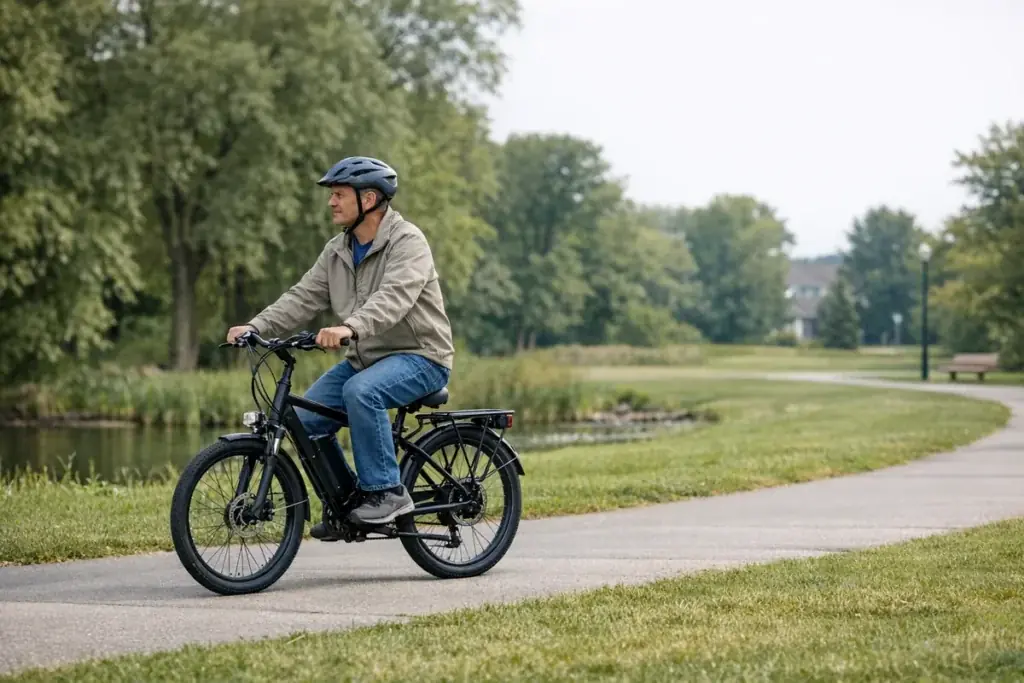
Adult riding an electric bicycle on a shared-use path in West Virginia
Vermont is generally friendly to bicycles and e-bikes on bike facilities, but local authorities can still narrow access on some paths and natural-surface trails.

Motorized Bicycle Laws in Vermont for electric bicycles

Vermont uses class 1, class 2, and class 3 e-bike definitions

Vermont defines a class 1 electric bicycle as pedal-assist only up to 20 mph, a class 2 as throttle-capable up to 20 mph, and a class 3 as pedal-assist up to 28 mph. The motor must be under 750 watts for the vehicle to stay in Vermont's electric-bicycle category.

Vermont gives e-bikes broad exemptions that true motor vehicles do not get

Section 1136a says electric bicycles are exempt from motor vehicle registration, inspection, certificate-of-title requirements, operator-license requirements, financial-responsibility requirements, and ATV requirements. Vermont is very direct here: if your bike fits the electric-bicycle definition, it stays out of the normal motor-vehicle paperwork lane.

Vermont generally allows e-bikes where bicycles are allowed

Vermont says an electric bicycle may be ridden where bicycles are allowed, including highways, bicycle lanes, and bicycle or multiuse paths. But Vermont also gives municipalities, local authorities, and state agencies room to restrict class 1 or class 2 e-bikes on a bicycle or multiuse path after notice and hearing, and to prohibit class 3 e-bikes on those paths. Vermont separately says that natural-surface trails designated as nonmotorized can be regulated by the authority that controls the trail.

Class 3 age rules are stricter than the class 1 and class 2 lane

Vermont says an individual under 16 years of age shall not operate a class 3 electric bicycle, though a younger rider may ride as a passenger on a class 3 electric bicycle designed to carry passengers. Vermont also requires a speedometer on a class 3 electric bicycle.
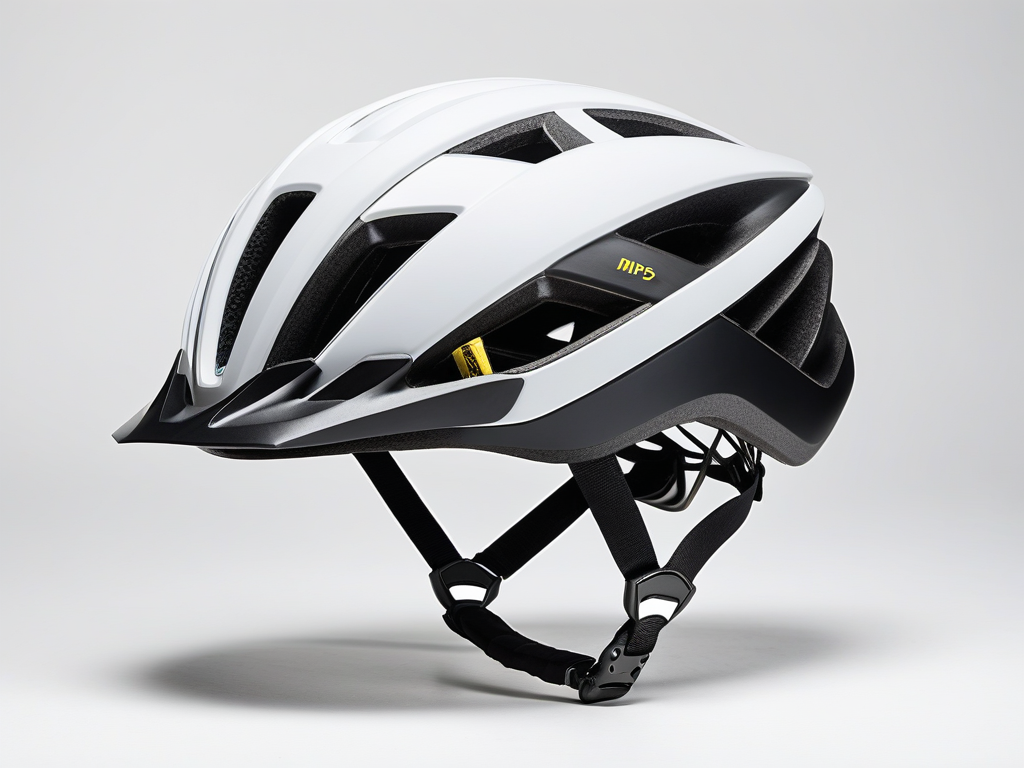
Motorized Bicycle Laws in Vermont rider safety and helmet reminder
Vermont's statewide motorcycle helmet law is specific to motorcycles, so riders should not assume every lower-power category falls under the same helmet rule.

What is different in Vermont?

  • Vermont keeps a distinct motor-assisted bicycle category alongside a separate classed electric-bicycle system.
  • A Vermont motor-driven cycle stays in the motor-vehicle lane, which means licensing, registration, and inspection rules matter.
  • A motor-assisted bicycle can include certain low-speed gas or electric pedal bikes that stay outside Vermont's class 1/2/3 e-bike framework.
  • Vermont expressly exempts electric bicycles from registration, title, inspection, operator-license, and financial-responsibility requirements.
  • Vermont expressly exempts motor-assisted bicycles from registration, inspection, and operator-license requirements, but still bans them from sidewalks.
  • Vermont lets local authorities and state agencies restrict some e-bike access on bike or multiuse paths, and it treats natural-surface nonmotorized trails as a separate access question.
  • Vermont's age rules split by category: motor-driven cycle riders must be at least 16 and licensed, motor-assisted bicycle riders under 16 cannot operate on a highway, and class 3 e-bike riders must be at least 16.

Common rider situations under Motorized Bicycle Laws in Vermont

If you bought a 49cc automatic bike that tops out around 30 mph

You are likely looking at Vermont's motor-driven-cycle lane, not the bicycle lane. That means the license, registration, and inspection questions matter first.

If you built a pedal bike with a small helper motor that tops out at 20 mph

If it has fully operable pedals and stays within Vermont's motor-assisted-bicycle limits, Vermont generally treats it like a bicycle instead of a registered motor vehicle. But you still cannot ride it on a sidewalk, and an under-16 rider cannot operate it on a highway.

If you bought a modern 750-watt class 2 e-bike

You are usually in Vermont's electric-bicycle lane, not the motor-assisted-bicycle lane. That means the e-bike exemptions and path-access rules in section 1136a matter most.

If you want to use a bike path or multiuse path

Vermont usually allows e-bikes where bicycles are allowed, but a municipality, local authority, or state agency can still restrict some classes on certain paths. Check the local rule before assuming every path is open.

If you are trying to sort out the helmet question

Vermont's cited statewide headgear statute speaks to motorcycles on highways. The reviewed Vermont sources for this draft do not give a matching statewide helmet rule for motor-driven cycles, motor-assisted bicycles, or electric bicycles, so riders should not guess and should still treat a helmet as the smart default.

Official Vermont sources

Related reading

Disclaimer

This page is for general informational purposes only and is not legal advice. Vermont statutes, DMV procedures, local ordinances, trail rules, and enforcement practices can change. Verify the current rules before riding on roads, bike paths, sidewalks, or trails.

Warranty Protection

Have a problem? Bike repairs and replacement parts are covered through our manufacturer warranty for up to two years after purchase.

Verified Secure Checkout

Your information is kept 100% protected and private. Payments are handled through trusted third-party providers and never stored on our servers.
Copyright © 2026 Motorized Bicycle HQ. All rights reserved.
linkedin facebook pinterest youtube rss twitter instagram facebook-blank rss-blank linkedin-blank pinterest youtube twitter instagram