Motorized Bicycle Laws in Massachusetts make more sense once you separate three different buckets: electric bicycles, motorized bicycles/mopeds, and motorized scooters. Massachusetts gives true electric bicycles bicycle-style treatment in many areas, but the current statutory definition is narrower than many readers expect, and mopeds and scooters still carry their own license, speed, helmet, path, and registration rules.
Note: This Massachusetts guide is based on current Massachusetts General Laws and Massachusetts RMV guidance. It is informational only, not legal advice.
Last reviewed / source-checked: 2026-03-15
Massachusetts-specific caution: Massachusetts lets municipalities, local authorities, and state agencies regulate e-bike use on bike paths, bikeways, and some natural-surface trails, and the current Chapter 90 electric-bicycle definition points to class 1 and class 2 treatment rather than a broad three-class framework.
Yes, but the legal lane depends on what the machine is. A qualifying electric bicycle gets bicycle-style rights and duties, but cannot be ridden on sidewalks and faces local path and trail restrictions. A Massachusetts motorized bicycle or moped must fit the 50cc, automatic-transmission, 30 mph definition, must be operated at no more than 25 mph, and requires a valid driver license or learner's permit. A motorized scooter is a separate category with its own 20 mph cap, no-passenger rule, and no riding after sunset or before sunrise.
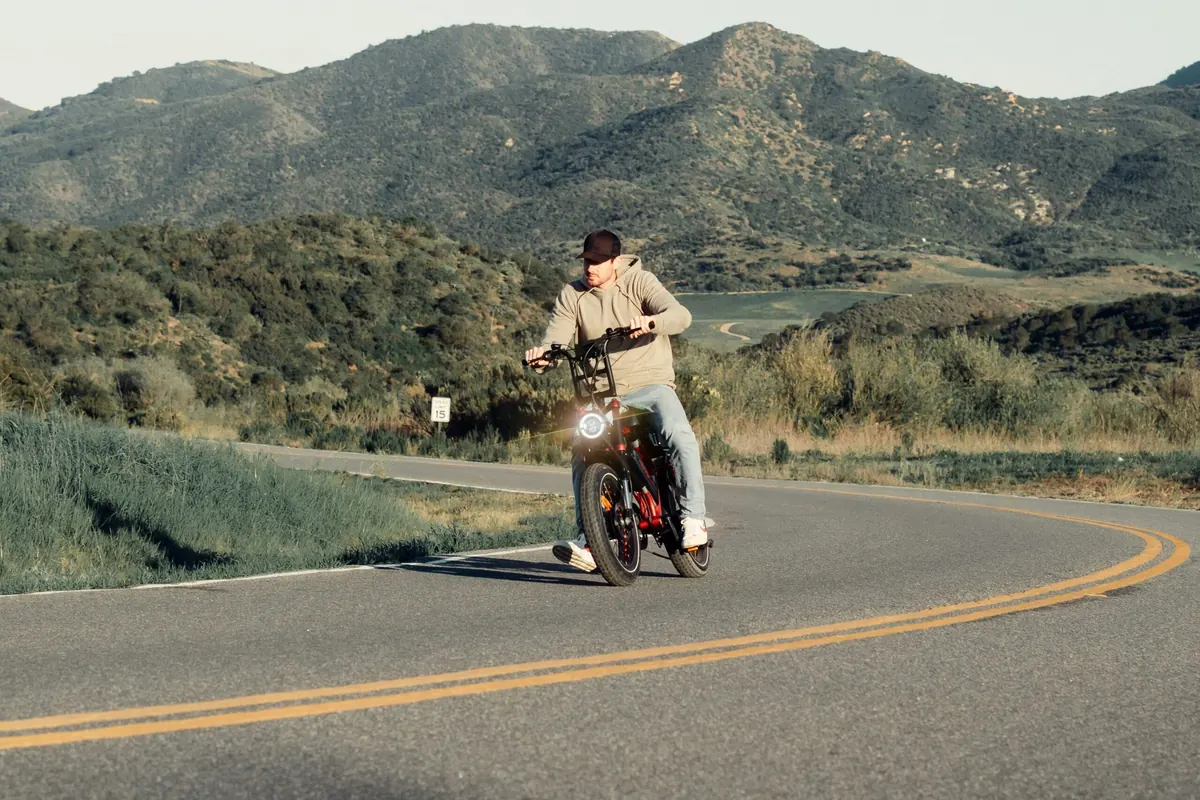
The first Massachusetts question is always classification. The state does not put every low-speed powered bike into one bucket.
That split is the heart of Motorized Bicycle Laws in Massachusetts. Once the machine falls out of the e-bike definition, the rules get stricter and more specific very quickly.
Massachusetts now gives electric bicycles their own section, but the details matter.
The live Chapter 90 definition of electric bicycle points to class 1 and class 2 treatment. That means readers should be careful about assuming Massachusetts currently uses a broad three-class statutory definition in the same way some other states do.
Chapter 85, section 11B3/4 says an electric bicycle and its operator get the rights and privileges, and take on the duties, of a bicycle operator under section 11B and related laws, regulations, and local ordinances unless the e-bike section says otherwise.
This is one of the easiest Massachusetts points to miss. Section 11B3/4 expressly says electric bicycles shall not be ridden or operated on sidewalks.
A municipality, local authority, or state agency with jurisdiction over a bike path or bikeway may adopt rules prohibiting or regulating electric bicycles there after public notice and a public hearing. That means statewide bicycle-style treatment does not automatically answer every path question.
Section 11B3/4 says an electric bicycle may not be operated on a nonmotorized trail with a natural surface tread unless the municipality, local authority, or state agency with jurisdiction later permits or regulates that use after public notice and a public hearing.
Massachusetts requires compliance with federal bicycle equipment and manufacturing requirements, and manufacturers and distributors must place a permanent label on each electric bicycle showing the classification number, top assisted speed, and motor wattage.
Mass.gov's Massachusetts bicycle law summary says riders 16 or under must wear a helmet under the bike-law framework. Because electric bicycles are folded into bicycle rights and duties, younger riders should treat that helmet rule seriously.
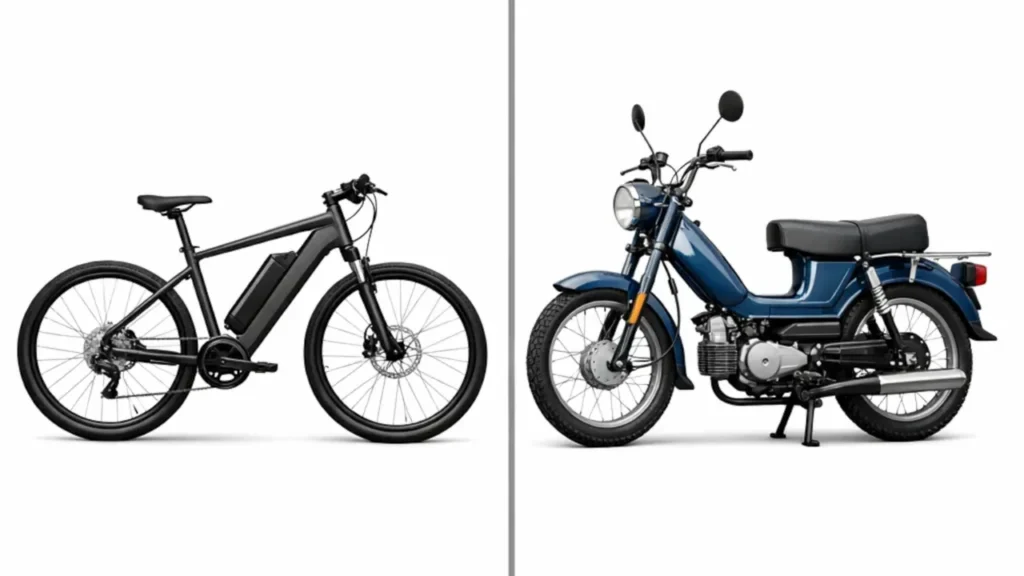
Massachusetts still uses the motorized bicycle category for what most riders casually call mopeds.
To fit the motorized bicycle definition in Chapter 90, the machine must stay within all of these limits:
If a powered bike falls outside those limits, readers should stop assuming the moped rules still apply.
Chapter 90, section 1B says a motorized bicycle may not be operated by anyone under 16 and may not be operated by anyone who does not have a valid driver's license or learner's permit.
This is a classic Massachusetts distinction. The machine may qualify as a motorized bicycle if it is capable of no more than 30 mph, but section 1B says it may not be operated at a speed above 25 mph.
Section 1B says motorized bicycles may use all public ways except limited-access or express state highways where bicycles are prohibited. They may also use bicycle lanes adjacent to ways, but the same statute excludes them from off-street recreational bicycle paths.
Section 1B requires every motorized bicycle operator and passenger to wear protective headgear that meets registrar standards.
Massachusetts law and RMV guidance both point to real registration obligations for mopeds. Chapter 90, section 1D requires a distinctive sticker or plate system with biannual renewal. RMV's current registration page says the fee is $40 for up to 2 years, and the rider receives a license plate and expiration decal. RMV also says mopeds are not issued a Massachusetts certificate of title.
Motorized scooters are a separate Massachusetts category, and the live rules are stricter than many quick summaries suggest.
That is a much more specific rule set than the live published MBHQ Massachusetts page currently suggests.
You are usually in Massachusetts's electric-bicycle lane. That means bicycle-style rights and duties apply, but you still need to stay off sidewalks and watch local path rules.
Do not assume the statewide answer settles the issue. Massachusetts lets the local or state authority with jurisdiction regulate electric bicycles there after notice and a hearing.
The default answer is stricter. Massachusetts says an electric bicycle cannot be operated there unless the local or state authority with jurisdiction later permits or regulates it.
You are likely in the Massachusetts motorized-bicycle lane, which means age 16+, a valid driver license or learner's permit, helmet use, operation at no more than 25 mph, and RMV registration with a plate and expiration decal.
You need to think in the scooter lane, not the moped lane. Massachusetts gives scooters a 20 mph cap, no-passenger rule, required signals, and a daylight-only operating rule.
This page is for general informational purposes only and is not legal advice. Massachusetts statutes, local ordinances, RMV procedures, and agency rules can change. Verify the current classification and access rules before riding on public roads, paths, sidewalks, or trails.