Motorized Bicycle Laws in Colorado depend first on whether your vehicle qualifies as an electric bicycle under Colorado's three-class e-bike system or a low-power scooter under Colorado DMV rules. If it fits the e-bike rules, Colorado exempts it from motor-vehicle registration and license requirements. If it fits the low-power scooter rules instead, Colorado requires a valid driver license, registration, and insurance.
Note: This page is informational only, not legal advice. Colorado laws and local access rules can change, and trail or city rules can be narrower than the statewide baseline.
Verify with official sources: Colorado General Assembly and Colorado DMV pages linked below.
Last reviewed / source-checked: 2026-03-15
| If your bike is a Colorado e-bike | Colorado says electric bicycle riders are exempt from motor vehicle registration and license requirements. |
| Class 1 | Pedal-assist only, with motor assistance ending at 20 mph. |
| Class 2 | Throttle-capable or otherwise motor-assisted, with assistance ending at 20 mph. |
| Class 3 | Pedal-assist only, with assistance ending at 28 mph, and the bike must have a speedometer. |
| Class 3 age / helmet rule | No one under 16 may ride a Class 3 e-bike except as a passenger, and anyone under 18 on a Class 3 e-bike must wear a helmet. |
| Where you can ride | Unless otherwise restricted, Class 1 and Class 2 e-bikes can use the same bicycle and pedestrian paths as conventional bikes. Class 3 e-bikes may not use those paths unless the path is within a street or highway or the local jurisdiction allows it. |
| If your vehicle is a low-power scooter | Colorado DMV says the operator must have a valid driver or minor driver license, the scooter needs Colorado registration, and insurance is required. |
| Local-rules caveat | Colorado local jurisdictions can prohibit e-bikes or scooters on bicycle or pedestrian paths under their control. |
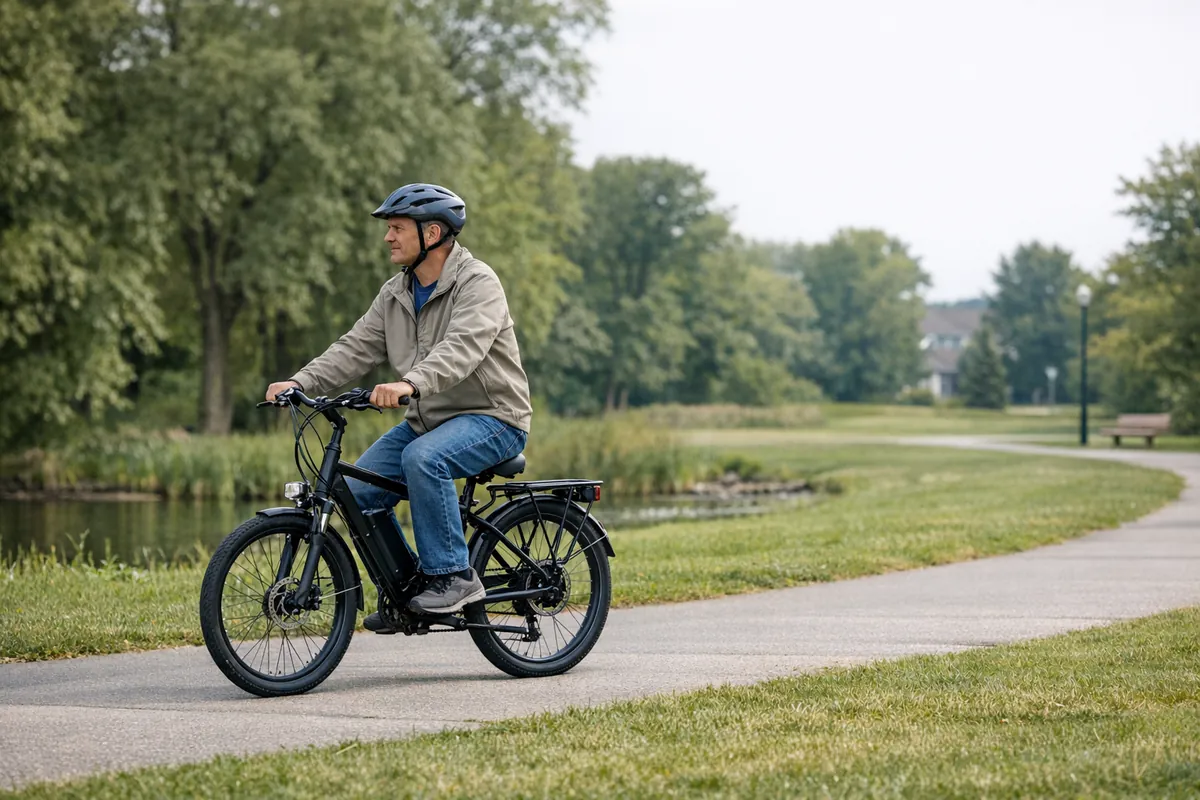
The Colorado General Assembly says electric bicycle riders are exempt from motor vehicle registration and license requirements, but the vehicle still has to fit one of Colorado's e-bike classes. Motorized Bicycle Laws in Colorado are much easier to understand once you sort the vehicle into the right category first. Class 1 and Class 2 stop assisting at 20 mph, while Class 3 stops assisting at 28 mph and must have a speedometer.
Colorado DMV separately defines a low-power scooter as a self-propelled vehicle designed mainly for the roadway, with no more than three wheels touching the ground, no manual clutch, and either an engine of 50cc or less or an electric motor of 4,476 watts or less. That definition specifically does not include a bicycle or an electric-assisted bicycle.
| Colorado category | What matters most | Why riders care |
|---|---|---|
| Electric bicycle | Colorado class system, assisted speed, and e-bike equipment rules | Exempt from motor-vehicle registration and license requirements |
| Low-power scooter | Roadway-oriented design, 50cc / 4,476W cap, no manual clutch | Requires driver license, registration decal, and insurance |
If your ride fits Colorado's Class 1, Class 2, or Class 3 electric bicycle rules, the state source says you are exempt from motor vehicle registration and license requirements. That is the cleanest path for most riders using pedal-equipped e-bikes.
Colorado draws a sharper path-access line than many summary articles do. Unless a route is otherwise restricted, Class 1 and Class 2 e-bikes can use the same bicycle and pedestrian paths as conventional bicycles. Class 3 e-bikes cannot use those paths unless the path sits within a street or highway or the local jurisdiction has affirmatively allowed them.
Colorado's statewide rule is specific here: a rider under 16 cannot operate a Class 3 e-bike except as a passenger, and anyone under 18 on a Class 3 e-bike must wear a helmet. If you are shopping for a faster pedal-assist bike for a teenager, check that rule before buying.
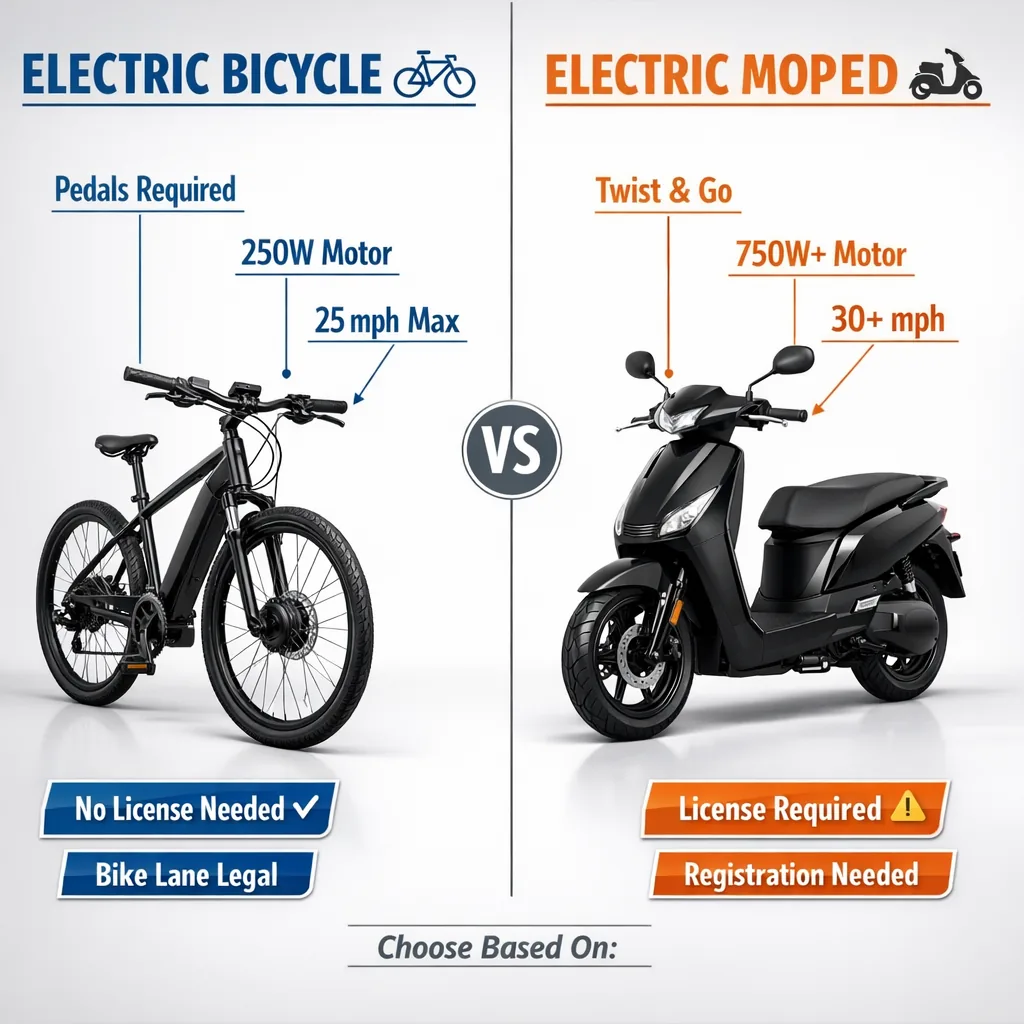
If your vehicle falls into Colorado's low-power scooter category instead of its e-bike category, DMV rules become much more demanding. Colorado DMV says the owner or operator must have a valid driver or minor driver license, the scooter must be registered with the state, and insurance is required before registration or renewal.
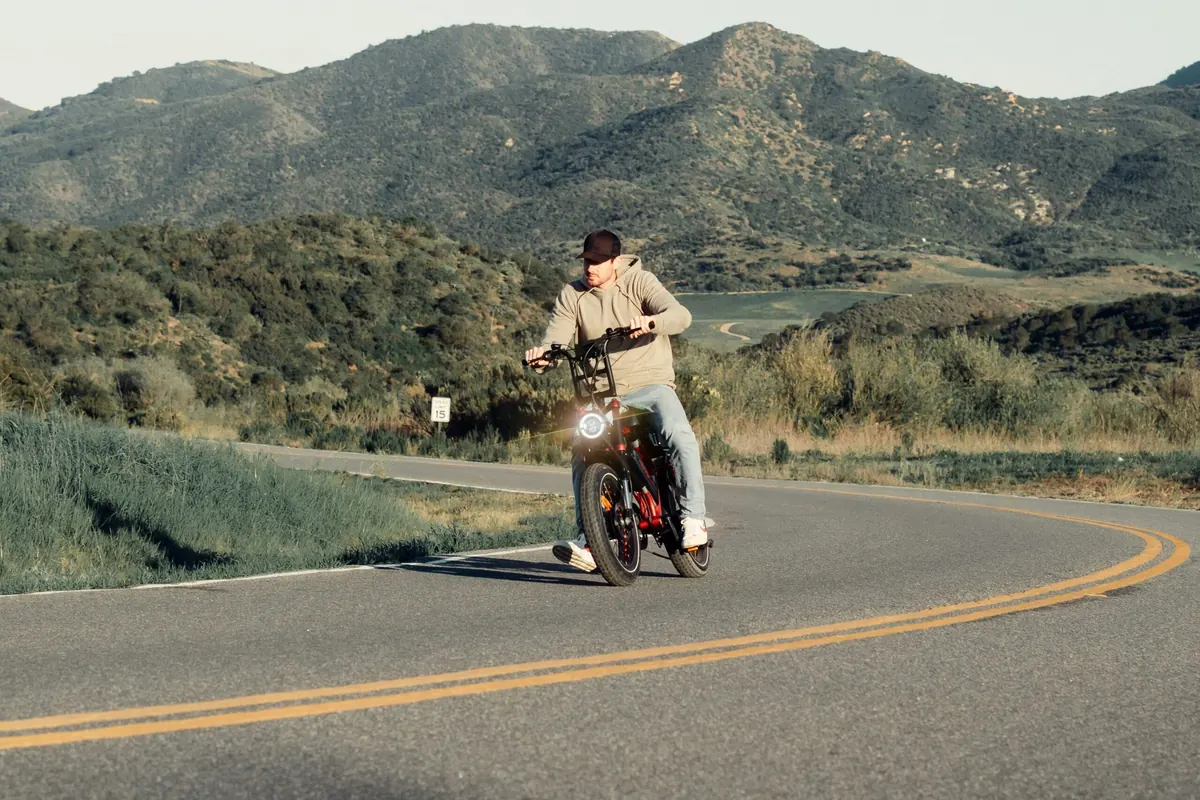
Colorado state law is only the starting point. The state guidance says local jurisdictions can prohibit electric bicycles and scooters on bicycle or pedestrian paths under their own control. That means city trail systems, open-space networks, campus routes, and similar local facilities can be narrower than the statewide baseline.
This page is for general informational purposes only and is not legal advice. Colorado statutes, agency guidance, and local rules can change. Verify current requirements with official Colorado sources before riding.