Quick answer
Who this price range fits best
The best electric bikes under $2,000 usually force a choice between simpler value builds, smoother pedal assist, and more utility-focused commuter setups. If you start with fit, brakes, battery replacement options, and support quality, you can narrow the field faster and avoid paying for features that do not match how you ride. It also helps to pair this shortlist with our e-bike buying tips and electric bike motors explained breakdowns before you commit.
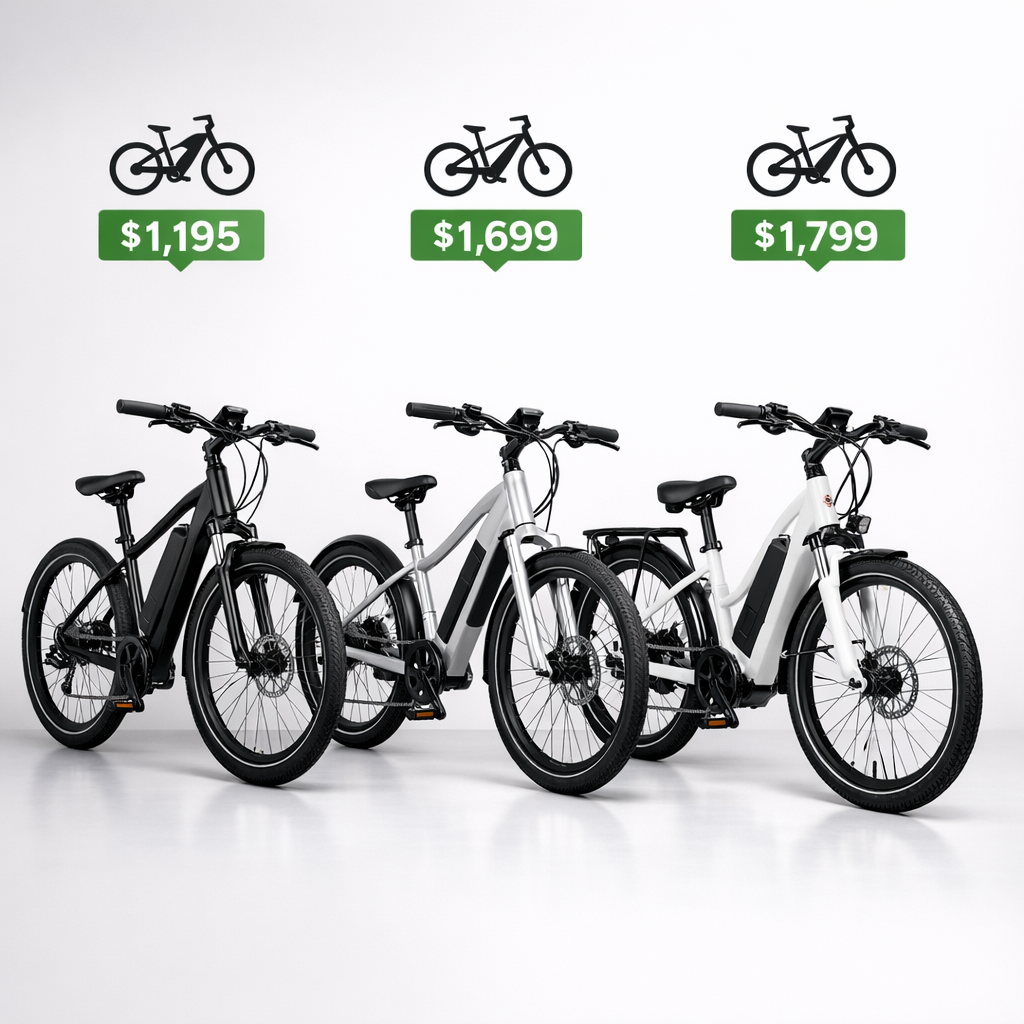
Many sub-$2,000 e-bikes lean toward hub-drive layouts, practical commuter parts, and value-focused component packages instead of premium suspension or boutique finishing kits. The CPSC micromobility safety guidance recommends checking brakes, lights, tires, frame condition, approved replacement batteries, and charging practices before and after rides, while the agency's bicycle requirements guidance reinforces why baseline brake and assembly quality matter more than flashy spec-sheet promises.
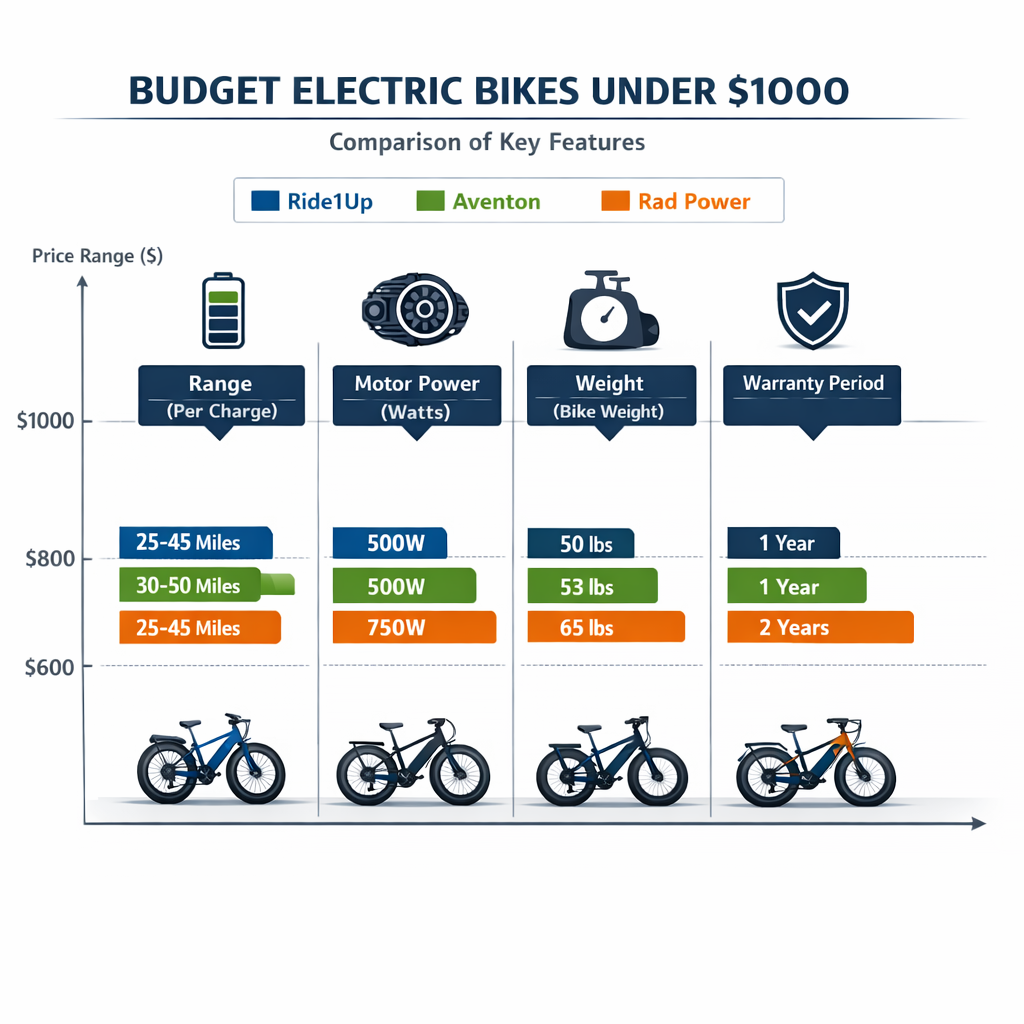
This shortlist focuses on three practical budget-bike jobs that matter most in this price band: straightforward commuter value, smoother comfort-oriented riding, and utility-minded everyday use. We favored examples with clear owner resources, recognizable support paths, and distinct ride-position or use-case differences so shoppers can compare tradeoffs instead of chasing a single headline spec.
| Example | Best for | Why it stands out | Main tradeoff |
|---|---|---|---|
| Ride1Up Core-5 | Value-first commuter buyers | Simple starter-commuter layout and aggressive budget positioning | Less appealing if you want a comfort-led ride feel or current new-bike availability certainty |
| Aventon Pace 500.3 | Comfort-oriented riders | More natural-feeling assist and a relaxed, upright posture | Not the best fit if your priority is the most stripped-down value play |
| Rad Power Bikes RadCity 5 Plus | Utility-minded daily riders | City-bike focus with stronger errand and accessory appeal | Bulkier everyday setup than riders seeking a simpler comfort cruiser may want |
Ride1Up positioned the Core-5 as a value-first starter commuter, and the brand's product page now lists it as discontinued. That makes it a useful reference point for shoppers who want a simple commuter layout and aggressive pricing, but not a bike to assume is always available new.
Aventon's Pace 500.3 materials emphasize a cruiser-style fit, torque-sensor assist, and comfort-oriented touchpoints. In this group, it makes the most sense for riders who care more about a smoother, more natural assist feel and an upright riding position than the most stripped-down value play.
RadCity 5 Plus owner resources frame it as a city-bike platform rather than a minimalist starter bike. In practical terms, it is the utility-leaning example here: better suited to riders who care about errands, commuting, and accessory-friendly everyday use more than a pure comfort-cruiser feel.
RadCity 5 Plus support details
That differentiation matters more than chasing the single biggest motor claim in a product listing. At this budget, the better choice is usually the bike whose riding position, support path, and real-world use case line up with your routine.
When shopping in this price range, prioritize:
Avoid ultra-cheap no-name brands that give you no clear battery, brake, or support trail after checkout. Your e-bike should be practical to own, charge, and service—not just attractive on a product card.
Who should skip this price range
Range claims in this price band work best as a ceiling, not a planning number. Rider weight, hills, wind, cold weather, stop-and-go traffic, tire pressure, cargo, and maximum-assist riding can all pull real-world distance down fast. For everyday buying decisions, assume the most useful range comes from a bike that matches your route, riding position, and support path—not from the single biggest headline number on a product page.
This practical ownership score reflects visible support resources, replacement-battery clarity, and how easy each bike looks to keep usable over time. It is not a hands-on durability grade.
| Bike | Serviceability score | Why |
|---|---|---|
| Ride1Up Core-5 | 2/5 | Useful as a value benchmark, but the discontinued status raises the ownership risk if you want easy new-bike availability and long-tail parts confidence. |
| Aventon Pace 500.3 | 4/5 | Current support visibility and mainstream commuter format make it the most reassuring pick here for buyers who care about support and replacement-path clarity. |
| Rad Power Bikes RadCity 5 Plus | 3/5 | Strong owner-resource footprint helps, but the heavier utility orientation means you should think about transport, storage, and wear items as part of the ownership picture. |
The purchase price is only the opening number. In this class, the biggest long-term cost questions are battery replacement, brake wear, tire and tube replacements, tune-ups, and whether you end up needing accessories that should have been part of the buying decision from the start.
The biggest budget e-bike problems usually come from ownership reality rather than marketing copy. These are the failure modes most worth watching before you buy.
Yes, if your expectations are grounded. This price range can work very well for commuting, neighborhood riding, and everyday errands, but it is not where most buyers get premium suspension, very light weight, or a no-compromise cargo setup.
Fit, brake confidence, support visibility, battery replacement clarity, and whether the bike matches your actual route matter more than a flashy top-line claim.
Only if the discount is strong enough to justify the ownership risk and you can confirm battery, charger, and support expectations before you buy.
No. They can be a useful signal, but they should sit behind more practical checks like support resources, replacement-battery clarity, fit, and whether the bike suits the job you actually need it to do.
The sub-$2,000 market has matured significantly, but the smartest buy still depends on which tradeoff you value most. Use examples like the Core-5, Pace 500.3, and RadCity 5 Plus to separate value-first, comfort-first, and utility-first priorities before you commit.
Ready to buy? Compare current prices and read user reviews before making your decision.
* We may earn a commission when you buy through our links